
Journal of Inorganic Materials ›› 2026, Vol. 41 ›› Issue (7): 849-866.DOI: 10.15541/jim20250436
• REVIEW • Previous Articles Next Articles
YU Feiyu1( ), WANG Wenqing2, ZHANG Xueqin3(), HE Rujie1,2()
Received:2025-10-30
Revised:2025-12-24
Published:2026-07-20
Online:2026-01-06
Contact:
ZHANG Xueqin, lecturer. E-mail: zhangxueqin@tyut.edu.cn;About author:Yu Feiyu (2001-), male, Master candidate. E-mail: 15055452608@163.com
Supported by:CLC Number:
YU Feiyu, WANG Wenqing, ZHANG Xueqin, HE Rujie. Additively Manufactured Ceramic Lattice-based Interpenetrating Phase Composites: Progress and Challenges[J]. Journal of Inorganic Materials, 2026, 41(7): 849-866.
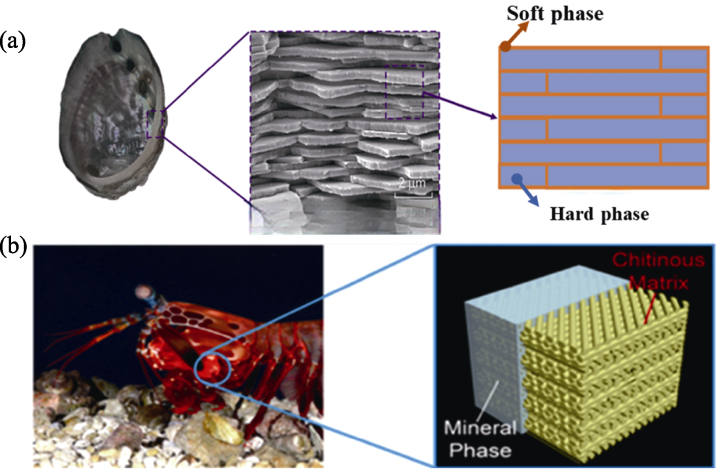
Fig. 1 Interpenetrating phase structures in biomaterials[1-2] (a) Brick and mortar in shell[1]; (b) Bouligand structure in mantis shrimp’s dactyl club[2]
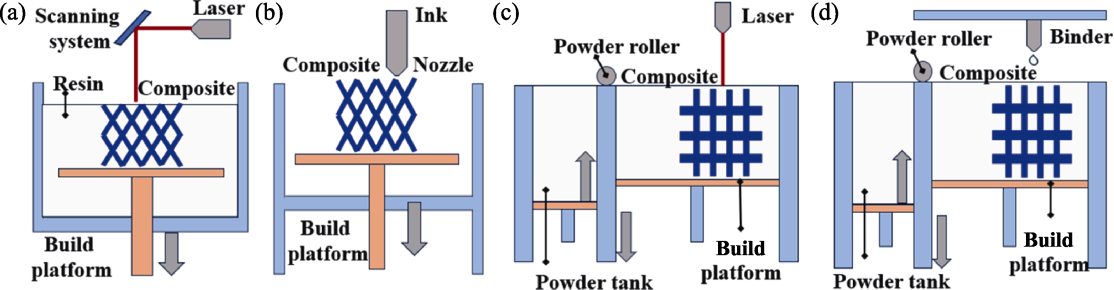
Fig. 2 Commonly used AM technologies for ceramics (a) VPP; (b) PBF; (c) ME; (d) BJ
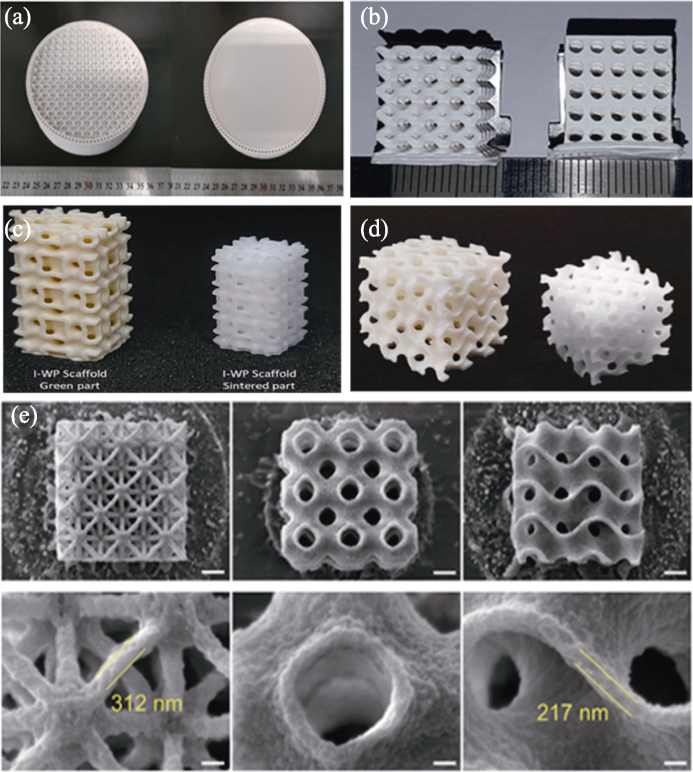
Fig. 3 Ceramics printed by VPP[7-11] (a) Al2O3 by SLA[7]; (b) Hydroxyapatite (HA) by SLA[8]; (c) Calcium phosphate (CP) by DLP[9]; (d) Tricalcium phosphate (TCP) by DLP[10]; (e) SiOC by TPP[11]
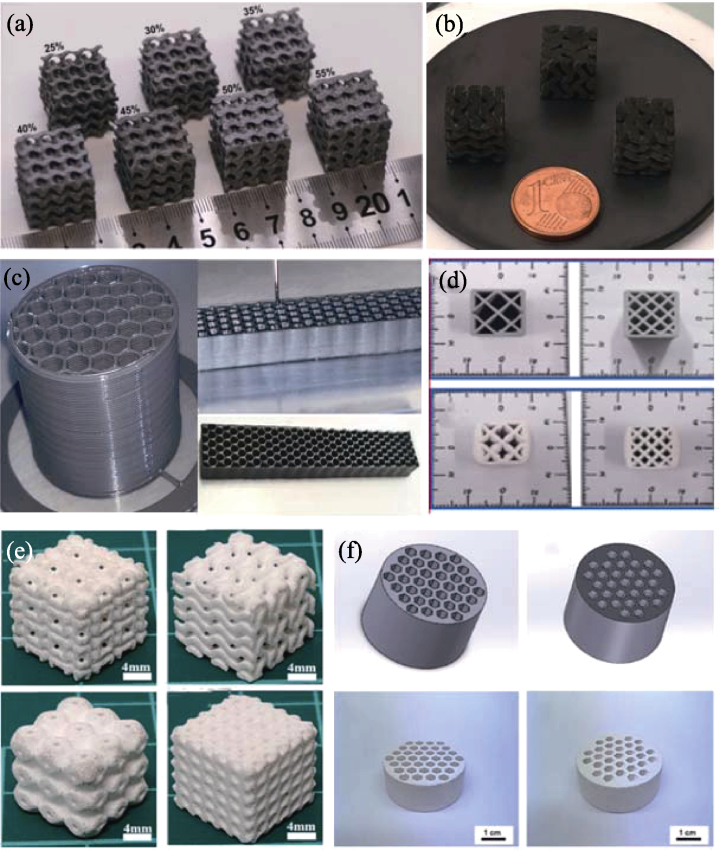
Fig. 4 Ceramics printed by PBF, SLS, ME and BJ[12-17] (a) Si/SiC by PBF[12]; (b) SiC by SLS[13]; (c) ZrB2 by ME[14]; (d) Al2O3 by ME[15]; (e) Al2O3 by BJ[16]; (f) Al2O3 by BJ[17]
| AM technique | Layer thickness/μm | Advantage | Disadvantage | Application |
|---|---|---|---|---|
| VPP | 10-25 | Extremely high sample quality | Low efficiency | Complex precision parts |
| PBF | 20-60 | High sample quality | Prone to defects | High-density parts |
| ME | 100-200 | High efficient and low cost | Prone to porosity | Lightweight structural ceramics |
| BJ | 50-100 | High efficiency and wide applicability | Poor sample quality | Large size parts |
Table 1 Summary of AM techniques
| AM technique | Layer thickness/μm | Advantage | Disadvantage | Application |
|---|---|---|---|---|
| VPP | 10-25 | Extremely high sample quality | Low efficiency | Complex precision parts |
| PBF | 20-60 | High sample quality | Prone to defects | High-density parts |
| ME | 100-200 | High efficient and low cost | Prone to porosity | Lightweight structural ceramics |
| BJ | 50-100 | High efficiency and wide applicability | Poor sample quality | Large size parts |
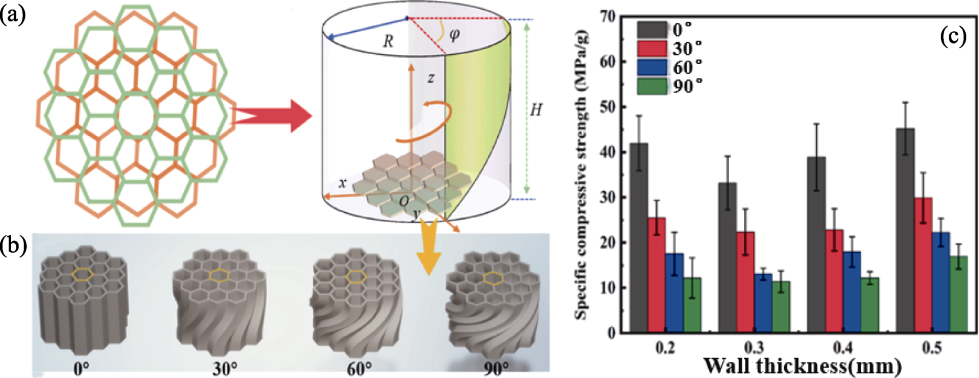
Fig. 5 Mechanical properties of Al2O3 honeycombs[20] (a) Section of the honeycomb; (b) Schematic illustration of the twist angle; (c) Effect of torsion angle on specific compressive strength of honeycomb structures with different wall thicknesses
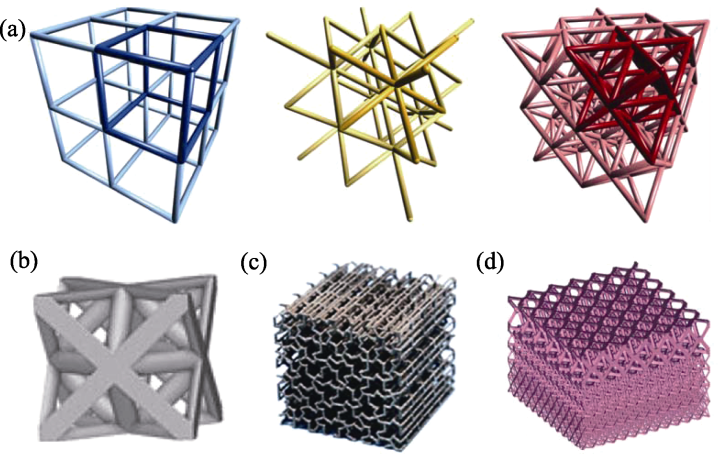
Fig. 6 Common truss structures[7,21 -23] (a) SC, BCC and FCC[21]; (b) OCT[22]; (c) Porous irregular truss[23]; (d) Graded truss[7]
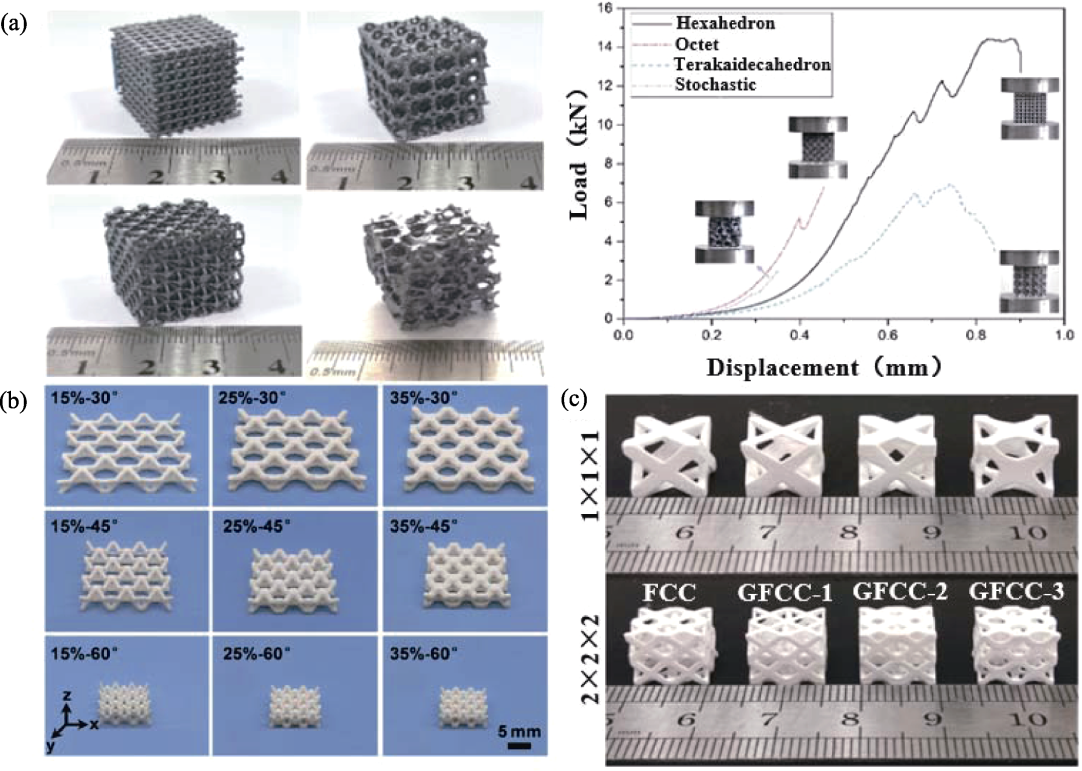
Fig. 7 Structure parameters of truss[24-26] (a) Lattices with different structural configurations (left) and their load-displacement curves (right)[24]; (b) Lattices with different volume fractions and tilt angles[25]; (c) Gradient lattices with different numbers of cells[26]
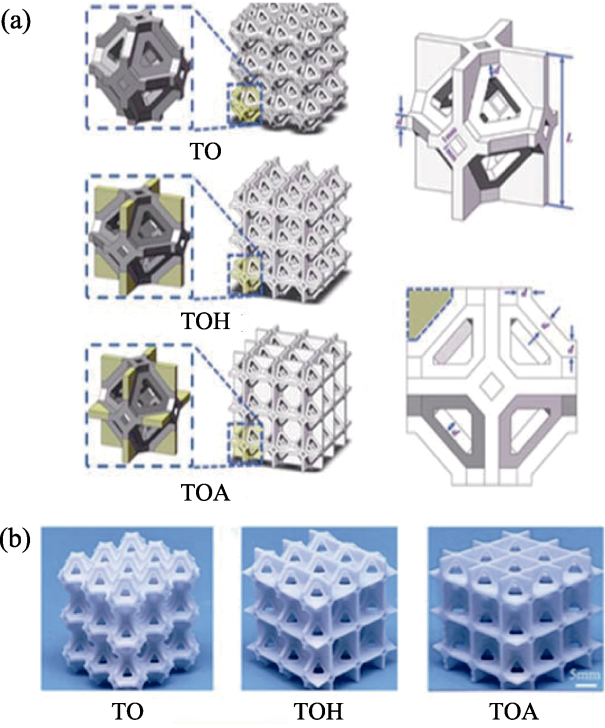
Fig. 8 Truncated octahedral plate lattice[28] (a) Schematic diagrams of plate lattice design and unit cell size; (b) Ceramic samples
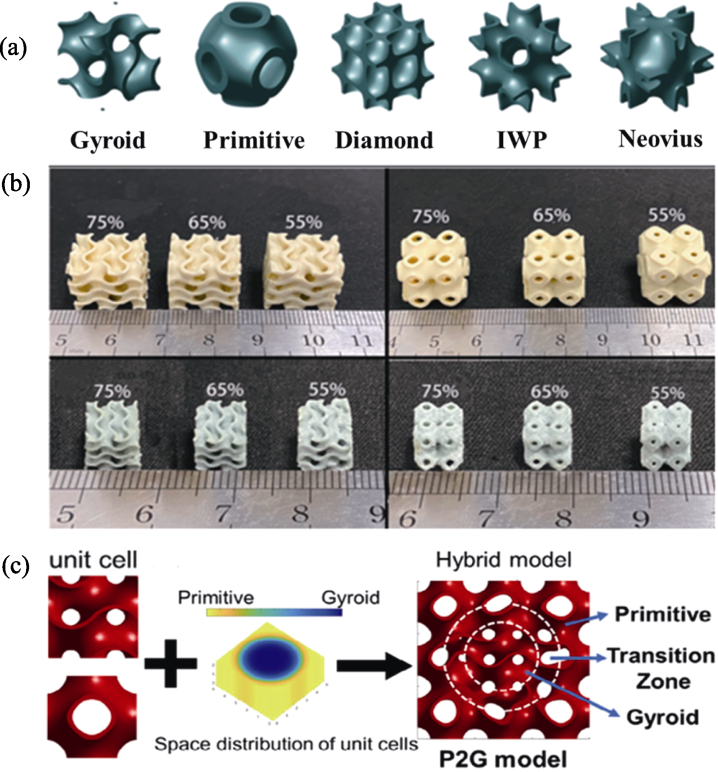
Fig. 9 Structural parameters and design strategies of TPMS[29-30,32] (a) Common configurations of TPMS[29]; (b) TPMS with different structural configurations and volume fractions[30]; (c) Design strategies for hybrid TPMS[32]
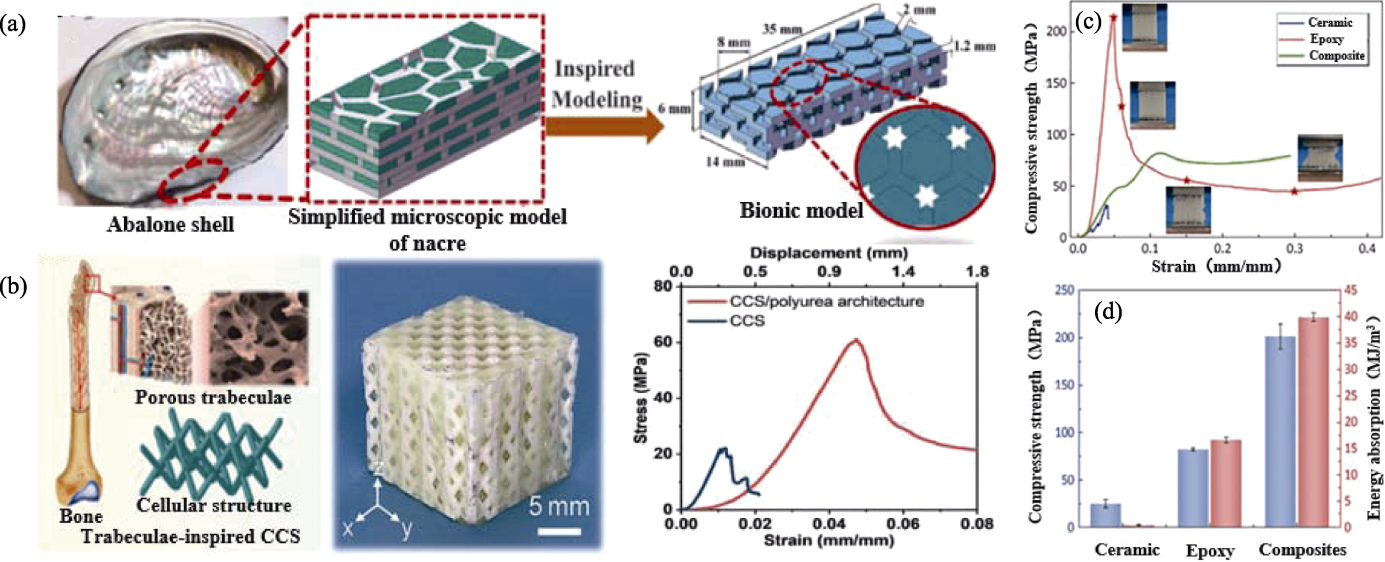
Fig. 10 Mechanical properties of polymer/ceramic IPCs[44-46] (a) Nacre-inspired ceramic scaffold[44]; (b) IPC inspired by trabecular bone and its mechanical properties[45]; (c) Stress-strain curves of single-phase components and IPC[46]; (d) Comparison of compressive strength and energy absorption of single-phase compositions and IPC[46]
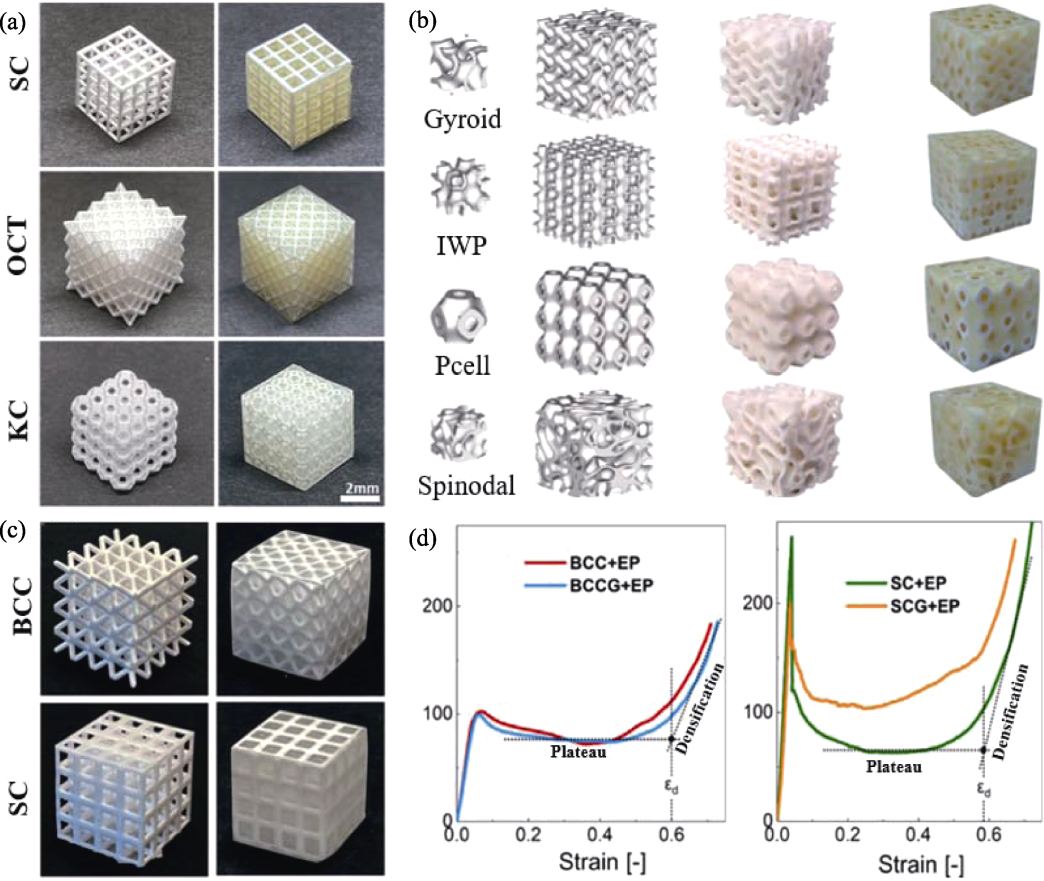
Fig. 11 Structural configuration and mechanical properties of polymer/ceramic IPCs[43,47 -48] (a) Trusses and IPCs with different spatial configurations[47]; (b) IPCs of periodic/random shell structures[43]; (c) IPCs of the same truss type[48]; (d) Stress-strain curves of IPCs of the same truss type[48]
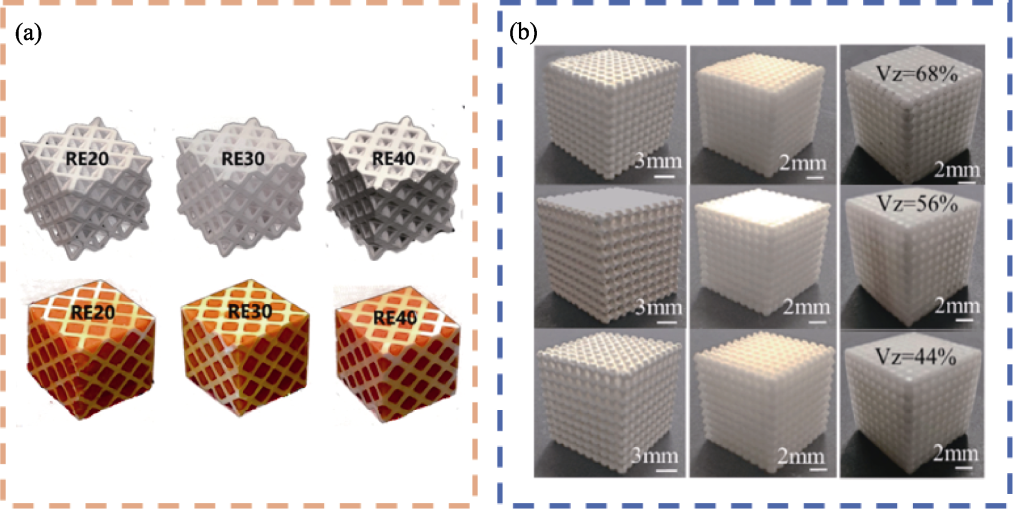
Fig. 12 Polymer/ceramic IPCs with different volume fractions[49-50] (a) 20%-40% (in volume) phenol-formaldehyde (PF)/Al2O3 IPCs[49]; (b) 44%-68% (in volume) epoxy resin/ZrO2 IPCs[50]
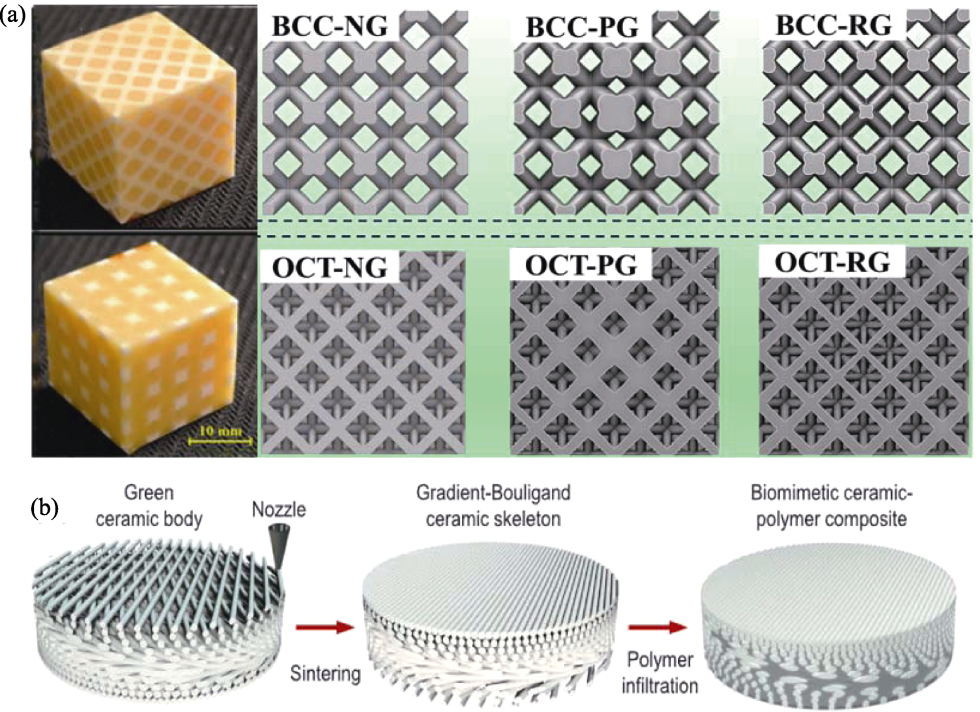
Fig. 13 Gradient designed polymer/ceramic IPCs[54-55] (a) Macro-morphologies of IPCs and cross section of gradient structure[54]; (b) IPCs of biomimetic gradient Bouligand structures[55]
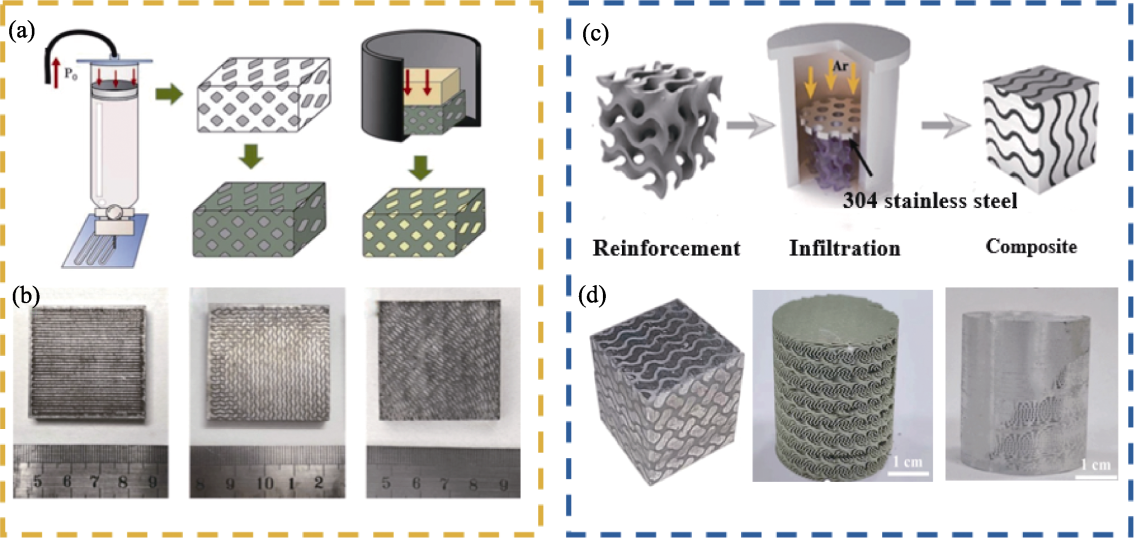
Fig. 14 Pressureless/pressure assisted infiltration[56,58 -60] (a) Pressureless infiltration[56]; (b) Metal/ceramic IPCs by pressureless infiltration[56]; (c) Pressure assisted infiltration[58]; (d) Metal/ceramic IPCs by pressure assisted infiltration[59-60]
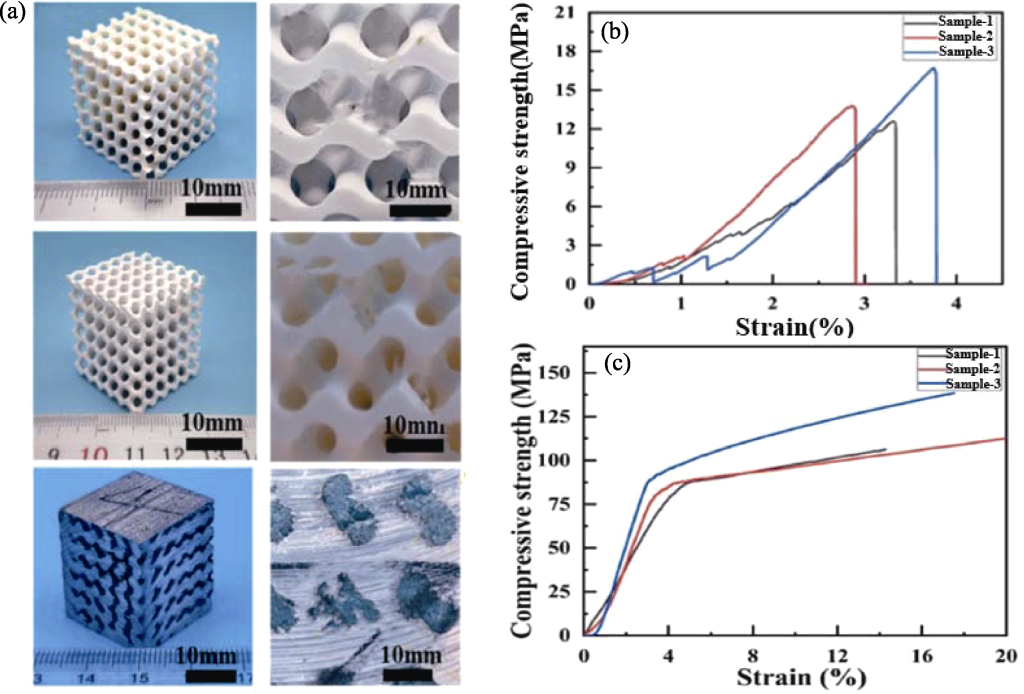
Fig. 15 Mechanical properties of metal/ceramic IPCs[64] (a) Macroscopic morphologies of ceramic lattices and metal/ceramic IPCs; (b) Stress-strain curves of ceramic lattices; (c) Stress-strain curves of metal/ceramic IPCs
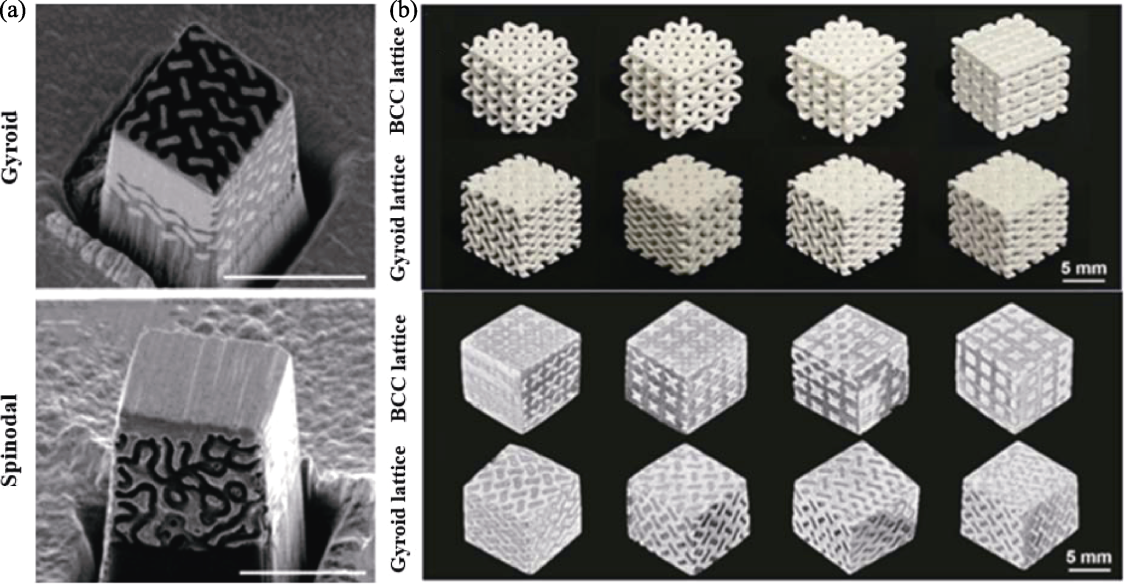
Fig. 16 Metal/ceramic IPCs with different structural configurations[66-67] (a) Metal/ceramic IPCs with gyroid and spinodal structures[66]; (b) Metal/ceramic IPCs with BCC and gyroid structures[67]
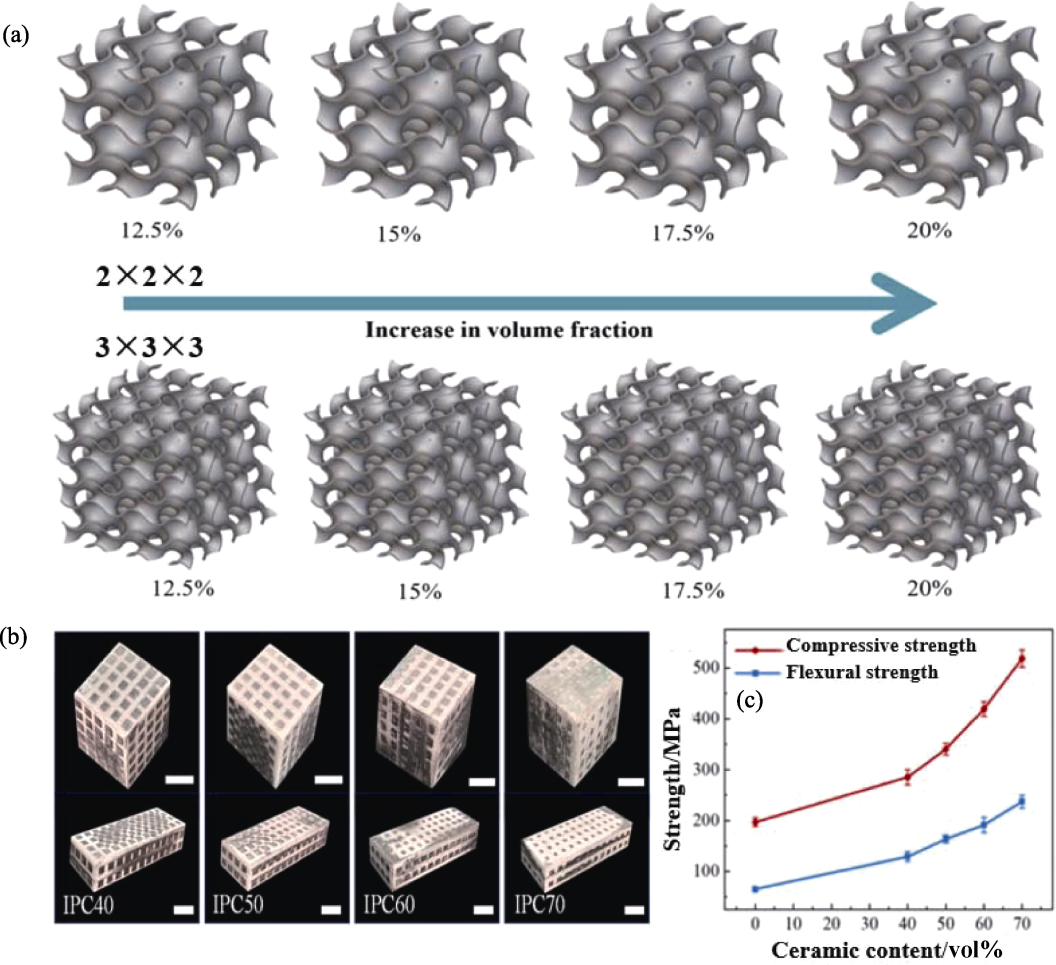
Fig. 17 Metal/ceramic IPCs with different volume fractions[68,70] (a) Design of gyroid scaffold with different volume fractions[68]; (b) Macroscopic morphologies of Al/Al2O3 IPCs[70]; (c) Compressive strength and flexural strength of Al/Al2O3 IPCs under different volume fractions[70]
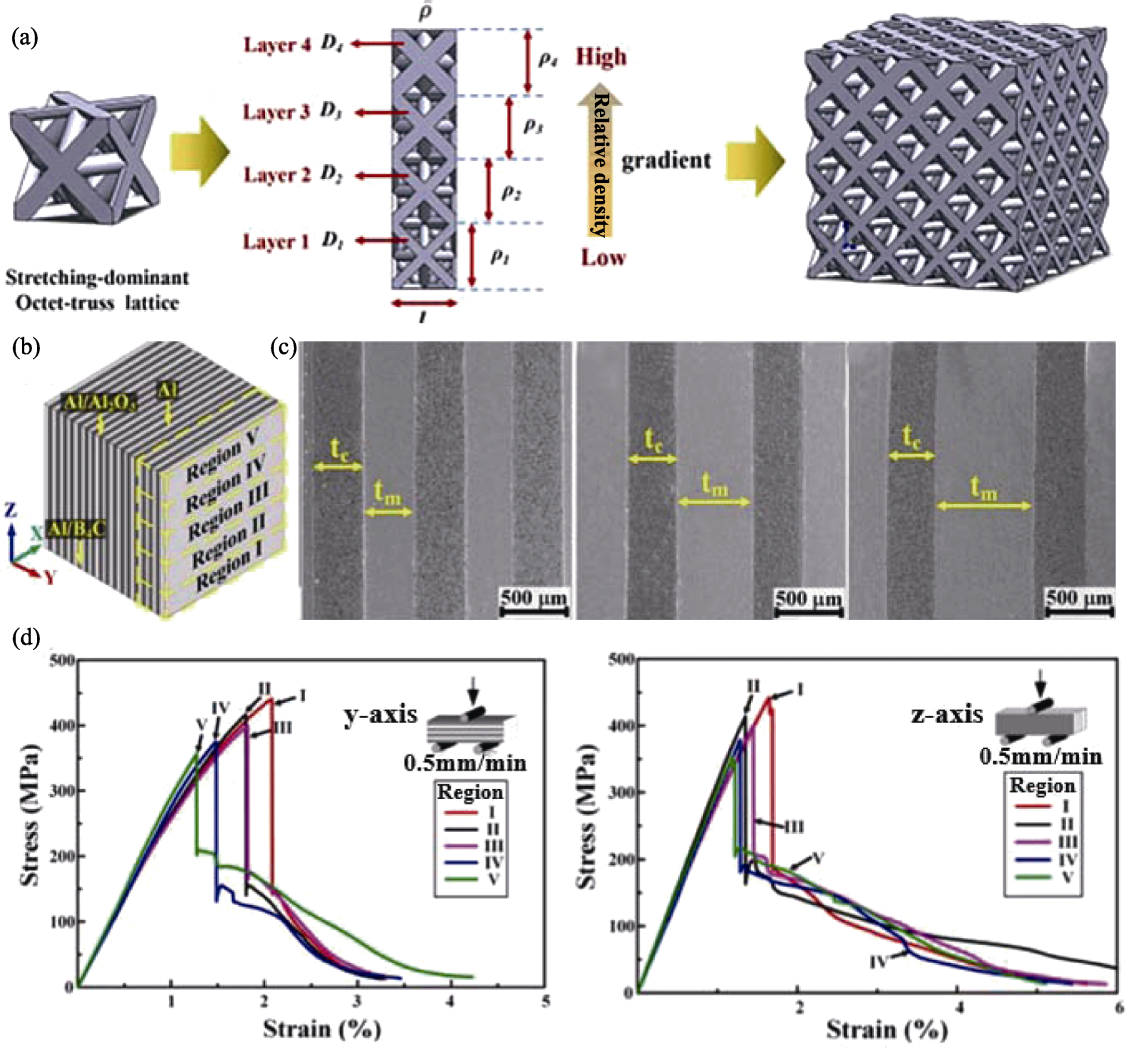
Fig. 18 Gradient designed metal/ceramic IPCs[71-72] (a) Gradient volume fraction[71]; (b) Schematic image of Al/Al2O3-B4C green bodies with compositional gradients[72]; (c) Gradient pitch ceramic scaffold[72]; (d) Three-point bending stress-strain curves along the y and z axis directions respectively[72]
| Type | Composition | Compressive strength/ MPa | Specific energy absorption/ (J·g-1) | Ref. |
|---|---|---|---|---|
| Polymer/ ceramic IPCs | Polyurea/Al2O3 | 14.79 | 2.97 | [ |
| Epoxy resin/Al2O3 | 135.00 | 18.00 | [ | |
| Polyurea/Al2O3 | 61.03 | 6.85 | [ | |
| Resin/Al2O3 | 40.01 | 17.30 | [ | |
| Epoxy resin/Al2O3 | 453.30 | 12.00 | [ | |
| Phenolic/Al2O3 | 101.09 | 2.70 | [ | |
| Phenolic/Al2O3 | 114.86 | 2.73 | [ | |
| Metal/ ceramic IPCs | Al/ZTA | 517.40 | 13.00 | [ |
| Al-Si/ZrO2 | 343.00 | 1.66 | [ | |
| Al/Al2O3 | 89.01 | 0.96 | [ | |
| Al/Al2O3 | 240.00 | 0.71 | [ | |
| Al/Al2O3 | 176.10 | 1.61 | [ |
Table 2 Comparison of mechanical properties of polymer/ceramic and metal/ceramic IPCs
| Type | Composition | Compressive strength/ MPa | Specific energy absorption/ (J·g-1) | Ref. |
|---|---|---|---|---|
| Polymer/ ceramic IPCs | Polyurea/Al2O3 | 14.79 | 2.97 | [ |
| Epoxy resin/Al2O3 | 135.00 | 18.00 | [ | |
| Polyurea/Al2O3 | 61.03 | 6.85 | [ | |
| Resin/Al2O3 | 40.01 | 17.30 | [ | |
| Epoxy resin/Al2O3 | 453.30 | 12.00 | [ | |
| Phenolic/Al2O3 | 101.09 | 2.70 | [ | |
| Phenolic/Al2O3 | 114.86 | 2.73 | [ | |
| Metal/ ceramic IPCs | Al/ZTA | 517.40 | 13.00 | [ |
| Al-Si/ZrO2 | 343.00 | 1.66 | [ | |
| Al/Al2O3 | 89.01 | 0.96 | [ | |
| Al/Al2O3 | 240.00 | 0.71 | [ | |
| Al/Al2O3 | 176.10 | 1.61 | [ |
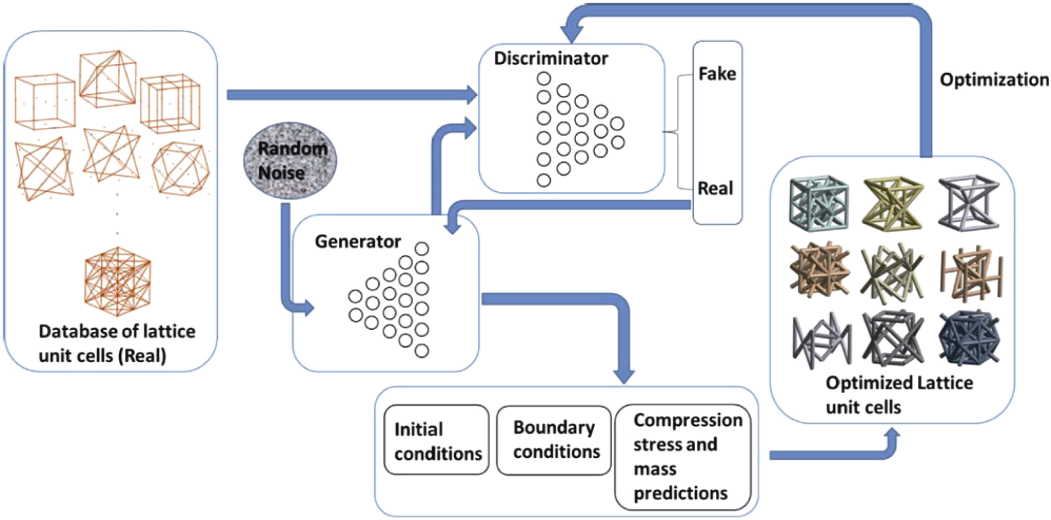
Fig. 19 Algorithm-assisted lattice optimization design process[77]
| [1] |
LIU Z Q, JIAO D, MEYERS M A, et al. Structure and mechanical properties of naturally occurring lightweight foam-filled cylinder-the peacock’s tail coverts shaft and its components. Acta Biomaterialia, 2015, 17: 137.
DOI URL |
| [2] |
LIU X, ZHANG F, ZOU J, et al. Biomimetic multi-layered protective materials with prestress and a periodic laminated structure. Journal of Materiomics, 2026, 12(1): 101095.
DOI URL |
| [3] | YANG T, CHEN H S, JIA Z A, et al. A damage-tolerant, dual-scale, single-crystalline microlattice in the knobby starfish, Protoreaster nodosus. Science, 2022, 375(6581): 647. |
| [4] |
YANG T, JIA Z A, WU Z L, et al. High strength and damage- tolerance in echinoderm stereom as a natural bicontinuous ceramic cellular solid. Nature Communications, 2022, 13: 6083.
DOI |
| [5] |
GAO Y C, QIN B, WEN S M, et al. Ambient pressure drying of freeze-cast ceramics from aqueous suspension. Nano Letters, 2023, 23(19): 9011.
DOI URL |
| [6] |
ZHAI X F, CHEN J Y, WANG Y R, et al. Fabrication of Al2O3 ceramic cores with high porosity and high strength by vat photopolymerization 3D printing and sacrificial templating. Ceramics International, 2023, 49(19): 32096.
DOI URL |
| [7] |
ZHANG G X, ZOU B, WANG X F, et al. The 3D-printed building and performance of Al2O3 ceramic filters with gradient hole density structures. Ceramics International, 2023, 49(19): 31496.
DOI URL |
| [8] | KANG J H, SAKTHIABIRAMI K, JANG K J, et al. Mechanical and biological evaluation of lattice structured hydroxyapatite scaffolds produced via stereolithography additive manufacturing. Materials & Design, 2022, 214: 110372. |
| [9] |
BUTLER N, ZHAO Y, LU S, et al. Effects of light exposure intensity and time on printing quality and compressive strength of β-TCP scaffolds fabricated with digital light processing. Journal of the European Ceramic Society, 2024, 44(4): 2581.
DOI URL |
| [10] |
WANG Y, CHEN S S, LIANG H W, et al. Digital light processing (DLP) of nano biphasic calcium phosphate bioceramic for making bone tissue engineering scaffolds. Ceramics International, 2022, 48(19): 27681.
DOI URL |
| [11] |
BAUER J, CROOK C, IZARD A G, et al. Additive manufacturing of ductile, ultrastrong polymer-derived nanoceramics. Matter, 2019, 1(6): 1547.
DOI URL |
| [12] |
WU S Q, YANG L, WANG C S, et al. Si/SiC ceramic lattices with a triply periodic minimal surface structure prepared by laser powder bed fusion. Additive Manufacturing, 2022, 56: 102910.
DOI URL |
| [13] |
ABDELMOULA M, KÜÇÜKTÜRK G, GROSSIN D, et al. Direct selective laser sintering of silicon carbide: realizing the full potential through process parameter optimization. Ceramics International, 2023, 49(20): 32426.
DOI URL |
| [14] |
KIM S Y, SESSO M L, FRANKS G V. Effect of internal lattice structure on the flexural strength of 3D printed hierarchical porous ultra-high temperature ceramic (ZrB2). Journal of the European Ceramic Society, 2023, 43(5): 1762.
DOI URL |
| [15] |
ZHAO Q X, CHEN R, WANG S S, et al. Utilization of fused deposition modeling in the fabrication of lattice structural Al2O3 ceramics. Ceramics International, 2024, 50(19): 35193.
DOI URL |
| [16] | WU H D, JIANG C, TANG C, et al. Binder jetting printed in situ mullite strengthened alumina ceramics with excellent mechanical and thermal properties through multi-phase infiltration. Virtual and Physical Prototyping, 2024, 19(1): e2427240. |
| [17] |
CHOI J H, KWON M, HWANG K T, et al. Mechanical reinforcement of complex shaped ceramic filter fabricated using binder jetting process with photocurable composite ink. Journal of Materials Research and Technology, 2025, 35: 5514.
DOI URL |
| [18] |
YILDIZ B K, YILDIZ A S, KUL M, et al. Mechanical properties of 3D-printed Al2O3 honeycomb sandwich structures prepared using the SLA method with different core geometries. Ceramics International, 2024, 50(2): 2901.
DOI URL |
| [19] |
HUANG Z Y, LIU L Y, YUAN J M, et al. Stereolithography 3D printing of Si3N4 cellular ceramics with ultrahigh strength by using highly viscous paste. Ceramics International, 2023, 49(4): 6984.
DOI URL |
| [20] |
SHEN M H, FU R L, LIU Y N, et al. Mechanical characterization of Al2O3 twisted honeycomb structures fabricated by digital light processing 3D printing. Ceramics International, 2023, 49(17): 29348.
DOI URL |
| [21] |
ZOK F W, LATTURE R M, BEGLEY M R. Periodic truss structures. Journal of the Mechanics and Physics of Solids, 2016, 96: 184.
DOI URL |
| [22] | KARRI C P, KAMBAGOWNI V. Finite element analysis approach for optimal design and mechanical performance prediction of additive manufactured sandwich lattice structures. Journal of the Institution of Engineers: India: Series D, 2025, 106(1): 353. |
| [23] |
WANG X X, LI Z D, DENG J J, et al. Unprecedented strength enhancement observed in interpenetrating phase composites of aperiodic lattice metamaterials. Advanced Functional Materials, 2025, 35(1): 2406890.
DOI URL |
| [24] |
XU Y C, GAO Y, YANG X D, et al. Relationship between topological structures and mechanical properties of artificially architected SiC cellular ceramics: experimental and numerical study. Journal of the European Ceramic Society, 2023, 43(10): 4263.
DOI URL |
| [25] |
ZHANG X Q, ZHANG K Q, ZHANG B, et al. Additive manufacturing, quasi-static and dynamic compressive behaviours of ceramic lattice structures. Journal of the European Ceramic Society, 2022, 42(15): 7102.
DOI URL |
| [26] |
ZENG Y, SUN L J, YAO H H, et al. Fabrication of alumina ceramics with functional gradient structures by digital light processing 3D printing technology. Ceramics International, 2022, 48(8): 10613.
DOI URL |
| [27] |
CROOK C, BAUER J, GUELL IZARD A, et al. Plate-nanolattices at the theoretical limit of stiffness and strength. Nature Communications, 2020, 11: 1579.
DOI PMID |
| [28] |
ZHANG B, ZHANG X Q, WANG W Q, et al. Mechanical properties of additively manufactured Al2O3 ceramic plate-lattice structures: experiments & simulations. Composite Structures, 2023, 311: 116792.
DOI URL |
| [29] | AL-KETAN O, AL-RUB R K A. MSLattice: a free software for generating uniform and graded lattices based on triply periodic minimal surfaces. Material Design & Processing Communications, 2021, 3(6): e205. |
| [30] |
LU J X, DONG P, ZHAO Y T, et al. 3D printing of TPMS structural ZnO ceramics with good mechanical properties. Ceramics International, 2021, 47(9): 12897.
DOI URL |
| [31] | VIJAYAVENKATARAMAN S, KUAN L Y, LU W F. 3D-printed ceramic triply periodic minimal surface structures for design of functionally graded bone implants. Materials & Design, 2020, 191: 108602. |
| [32] |
LU C X, DING J, JIANG X, et al. Enhancing mechanical properties and damage tolerance of additive manufactured ceramic TPMS lattices by hybrid design. Journal of the American Ceramic Society, 2024, 107(10): 6524.
DOI URL |
| [33] |
IZARD A G, BAUER J, CROOK C, et al. Ultrahigh energy absorption multifunctional spinodal nanoarchitectures. Small, 2019, 15(45): 1903834.
DOI URL |
| [34] |
ANANDAN N, WILSON C G, MEZA L R. Functionally graded spinodal nanoarchitected ceramics with unprecedented recoverability. International Journal of Mechanical Sciences, 2025, 301: 110453.
DOI URL |
| [35] |
BRODNIK N R, SCHMIDT J, COLOMBO P, et al. Analysis of multi-scale mechanical properties of ceramic trusses prepared from preceramic polymers. Additive Manufacturing, 2020, 31: 100957.
DOI URL |
| [36] |
LEE E, JIA Z A, YANG T, et al. Multiscale mechanical design of the lightweight, stiff, and damage-tolerant cuttlebone: a computational study. Acta Biomaterialia, 2022, 154: 312.
DOI URL |
| [37] | MAO A R, ZHOU S T, HONG Y L, et al. Three-dimensional printing of cuttlebone-inspired porous ceramic materials. ACS Applied Materials & Interfaces, 2024, 16(31): 41202. |
| [38] |
THAKUR M S H, NATH M D, AJAYAN P M, et al. Macroscale ceramic origami structures with hyper-elastic coating. Advanced Composites and Hybrid Materials, 2025, 8(2): 226.
DOI |
| [39] |
ZHANG X Q, SU R Y, GAO X, et al. Circumventing brittleness of 3D-printed Al2O3 cellular ceramic structures via compositing with polyurea. Rare Metals, 2024, 43(11): 5994.
DOI URL |
| [40] | SAJADI S M, VÁSÁRHELYI L, MOUSAVI R, et al. Damage- tolerant 3D-printed ceramics via conformal coating. Science Advances, 2021, 7(28): eabc5028. |
| [41] |
WANG G S. Influence of polydopamine/polylactic acid coating on mechanical properties and cell behavior of 3D-printed calcium silicate scaffolds. Materials Letters, 2020, 275: 128131.
DOI URL |
| [42] |
SUN J X, YU S X, WADE-ZHU J, et al. 3D printing of ceramic composite with biomimetic toughening design. Additive Manufacturing, 2022, 58: 103027.
DOI URL |
| [43] |
SINGH A, KARATHANASOPOULOS N. Mechanics of ceramic- epoxy interpenetrating phase composites engineered with TPMS and spinodal topologies. Composites Science and Technology, 2024, 253: 110632.
DOI URL |
| [44] |
WU H L, GUO A F, KONG D K, et al. Nacre-like carbon fiber- reinforced biomimetic ceramic composites: fabrication, microstructure, and mechanical performance. Ceramics International, 2024, 50(14): 25388.
DOI URL |
| [45] |
ZHANG X Q, MENG Q Y, ZHANG K Q, et al. 3D-printed bioinspired Al2O3/polyurea dual-phase architecture with high robustness, energy absorption, and cyclic life. Chemical Engineering Journal, 2023, 463: 142378.
DOI URL |
| [46] |
LI W Y, ZHANG K Q, ZHANG Z J, et al. Damage tolerance and cyclic stability of 3D-architected Al2O3/polymer composites. Journal of Materiomics, 2026, 12(1): 101112.
DOI URL |
| [47] |
ZHAO Y D, YAP X Y, YE P C, et al. Enhanced mechanical and thermal properties in 3D printed Al2O3 lattice/epoxy interpenetrating phase composites. Mechanics of Materials, 2024, 190: 104930.
DOI URL |
| [48] | LI X W, KIM M, ZHAI W. Ceramic microlattice and epoxy interpenetrating phase composites with simultaneous high specific strength and specific energy absorption. Materials & Design, 2022, 223: 111206. |
| [49] |
ZHONG K, WANG Z G, CUI J, et al. Mechanical behavior of reinforced Al2O3 lattice structures: effects of structural parameters from experiments and simulations. Thin-Walled Structures, 2025, 207: 112753.
DOI URL |
| [50] |
DONG X S, WANG G Q, WANG S R, et al. Designing and additive manufacturing of biomimetic interpenetrating phase zirconia-resin composite dental restorations with TPMS structure. Journal of the Mechanical Behavior of Biomedical Materials, 2024, 160: 106718.
DOI URL |
| [51] |
EDER M, JUNGNIKL K, BURGERT I. A close-up view of wood structure and properties across a growth ring of Norway spruce (Picea abies [L] Karst.). Trees, 2009, 23: 79.
DOI URL |
| [52] |
HABIBI M K, SAMAEI A T, GHESHLAGHI B, et al. Asymmetric flexural behavior from bamboo’s functionally graded hierarchical structure: underlying mechanisms. Acta Biomaterialia, 2015, 16: 178.
DOI URL |
| [53] |
SU J M, GUO L, ZHU H J, et al. High toughness of 3D printed ceramic/polymer interpenetrating phase composite with gradient structures under multi-directional stresses. Journal of Materials Science, 2025, 60(9): 4197.
DOI |
| [54] |
ZHONG K, CUI J, WANG Z G, et al. Synergistic gradient- composite effects on mechanical reinforcement of ceramic lattice structures. Thin-Walled Structures, 2025, 216: 113729.
DOI URL |
| [55] | WEN S M, CHEN S M, GAO W T, et al. Biomimetic gradient bouligand structure enhances impact resistance of ceramic-polymer composites. Advanced Materials, 2023, 35(21): e2211175. |
| [56] |
CHENG D X, XIA Y F, YAO D X, et al. Quasi-static and dynamic mechanical properties of interpenetrating zirconia-toughened alumina-aluminum alloy composite material. Materials Today Communications, 2024, 41: 110929.
DOI URL |
| [57] |
LI S, LI Y F, WANG Q W, et al. Fabrication of 3D-SiC/aluminum alloy interpenetrating composites by DIW and pressureless infiltration. Ceramics International, 2021, 47(17): 24340.
DOI URL |
| [58] |
ZHANG Z J, LI W Y, FENG Y J, et al. Strongly improved mechanical properties of aluminum composites by designed ceramic lattice. Journal of Materials Research and Technology, 2025, 35: 2637.
DOI URL |
| [59] |
ZHANG Z, FENG Y, LI W, et al. Stiff and ductile 3D-architectured metal/ceramic composites. Composites Part A: Applied Science and Manufacturing, 2025, 194: 108904.
DOI URL |
| [60] |
LI Y, ZHONG S J, QIAN M F, et al. Design and fabrication of bionic Bouligand-structured SiC/2024Al composites via binder jetting additive manufacturing and pressure infiltration. Composites Part B: Engineering, 2025, 301: 112526.
DOI URL |
| [61] |
CASAS-LUNA M, MONTUFAR E B, HORT N, et al. Degradable magnesium-hydroxyapatite interpenetrating phase composites processed by current assisted metal infiltration in additive- manufactured porous preforms. Journal of Magnesium and Alloys, 2022, 10(12): 3641.
DOI URL |
| [62] | HUANG J C, DARYADEL S, MINARY-JOLANDAN M. Low-cost manufacturing of metal-ceramic composites through electrodeposition of metal into ceramic scaffold. ACS Applied Materials & Interfaces, 2019, 11(4): 4364. |
| [63] |
KHAKZAD M, KHADEMI M, PERRUCI G F, et al. Hybrid manufacturing of ceramic-metal composites by vat polymerization 3D printing and pulse electroplating. Journal of Manufacturing Processes, 2025, 144: 157.
DOI URL |
| [64] |
LU J J, WANG D, ZHANG K Q, et al. Mechanical properties of Al2O3 and Al2O3/Al with Gyroid structure obtained by stereolithographic additive manufacturing and melt infiltration. Ceramics International, 2022, 48(16): 23051.
DOI URL |
| [65] |
ZHU M M, DENG C Z, ZHANG Z F, et al. Stereolithography 3D printing ceramics for ultrahigh strength aluminum matrix composites. Journal of Manufacturing Processes, 2025, 139: 126.
DOI URL |
| [66] | BAUER J, SALA-CASANOVAS M, AMIRI M, et al. Nanoarchitected metal/ceramic interpenetrating phase composites. Science Advances, 2022, 8(33): eabo3080. |
| [67] |
CHEN F, DING J, JIA M Y, et al. 3D bi-continuous interpenetrating networks enables Al-matrix composites with enhanced mechanical energy absorption capacity. Composite Structures, 2025, 368: 119293.
DOI URL |
| [68] |
SANTOS S, MATOS C, DUARTE I, et al. Effect of TPMS reinforcement on the mechanical properties of aluminium-alumina interpenetrating phase composites. Progress in Additive Manufacturing, 2025, 10(2): 1187.
DOI |
| [69] |
CHENG D, XIA Y, YAO D, et al. The dynamic protective performance of interpenetrating zirconia toughened alumina- aluminum alloy composite material prepared by 3D printing and metal infiltration. Journal of Alloys and Compounds, 2025, 1022: 179953.
DOI URL |
| [70] |
SUN J X, WANG Y D, ZOU J, et al. Ceramic/metal composites fabricated via 3D printing and ultrasonic-assisted infiltration for high specific strength and energy absorption. Journal of Alloys and Compounds, 2024, 1006: 176216.
DOI URL |
| [71] |
LI S W, WANG G, ZHANG K Q, et al. Mechanical properties of Al2O3 and Al2O3/Al interpenetrated functional gradient structures by 3D printing and melt infiltration. Journal of Alloys and Compounds, 2023, 950: 169948.
DOI URL |
| [72] | HU Y B, JIANG M Y, SHEN P. Compositionally gradient Al2O3-B4C/Al composites with interpenetrating structure and tailored properties via material extrusion-based additive manufacturing and pressure infiltration. Virtual and Physical Prototyping, 2025, 20(1): e2450101. |
| [73] |
WU Y, ZHAO R D, LIANG B, et al. Construction of C/SiC- Cu3Si-Cu interpenetrating composites for long-duration thermal protection at 2500 ℃ by cooperative active-passive cooling. Composites Part B: Engineering, 2023, 266: 111015.
DOI URL |
| [74] |
JIN Y, DU J K, HE Y. Optimization of process planning for reducing material consumption in additive manufacturing. Journal of Manufacturing Systems, 2017, 44: 65.
DOI URL |
| [75] |
SRIDHAR S, VENKATESH K, REVATHY G, et al. Adaptive fabrication of material extrusion-AM process using machine learning algorithms for print process optimization. Journal of Intelligent Manufacturing, 2025, 36(7): 5087.
DOI |
| [76] |
LI S Y, WEI H K, YUAN S Q, et al. Collaborative optimization design of process parameter and structural topology for laser additive manufacturing. Chinese Journal of Aeronautics, 2023, 36(1): 456.
DOI URL |
| [77] | CHALLAPALLI A, PATEL D, LI G Q. Inverse machine learning framework for optimizing lightweight metamaterials. Materials & Design, 2021, 208: 109937. |
| [78] |
WU C, LUO J J, ZHONG J X, et al. Topology optimisation for design and additive manufacturing of functionally graded lattice structures using derivative-aware machine learning algorithms. Additive Manufacturing, 2023, 78: 103833.
DOI URL |
| [1] | PENG Yuchao, DONG Yuan, DONG Shun, XIA Liansen, HU Peitao, ZHANG Xinghong, ZHOU Yanchun. Effect of SiC Particle Content on Mechanical Properties and Ablation Resistance of (Ti,Zr,Hf,Ta,Cr)(C,N)-SiC Ceramics [J]. Journal of Inorganic Materials, 2026, 41(7): 947-954. |
| [2] | QIN Shanli, GUO Jiawen, CHEN Yanmeng, JU An’an, WEI Yi, HUANG Kelin, HOU Xianghua, LÜ Sishi, WEN Zhipeng, WU Lian. Recent Advances in Constructing Oriented Ion Transport Channels with Two-dimensional Layered Materials for Electrochemical Energy Storage [J]. Journal of Inorganic Materials, 2026, 41(7): 883-898. |
| [3] | ZHOU Cui, LI Jie, SUN Luchao, SU Haijun, WANG Jingyang. Alumina-based Directionally Solidified Eutectic Ceramics: Microstructure, Control Strategies and Environmental Stability [J]. Journal of Inorganic Materials, 2026, 41(7): 899-914. |
| [4] | HUANG Kuisui, WANG Kexin, LUO Wanhao, LI Fei, GE Yiyao, GAO Yixuan, CHEN Kexin. Regulation of Electronic Properties of Novel Two-dimensional SixCy under External Strain [J]. Journal of Inorganic Materials, 2026, 41(7): 993-1000. |
| [5] | FEI Wenlong, WANG Yakun, LIAO Liangsheng. Research Progress on Controllable Synthesis of Blue-emitting ZnSeTe Quantum Dots and Quantum-dot Light-emitting Diode Devices [J]. Journal of Inorganic Materials, 2026, 41(7): 867-882. |
| [6] | CHEN Mingjun, MIAO Hongkang, XIAO Yingjun, DENG Jianbo, ZHANG Xiang, ZHAO Jiupeng, LI Yao. Photo- and Thermo-chromic Dual-responsive Materials: A Review on Design Strategies and Applications in Smart Windows [J]. Journal of Inorganic Materials, 2026, 41(6): 723-738. |
| [7] | SONG Kunjie, XIE Rongjun. Research Advances on Machine Learning-driven Development of Novel Luminescent Materials [J]. Journal of Inorganic Materials, 2026, 41(6): 689-703. |
| [8] | HU Yuqing, ZHU Yixin, LE Xianhao, WAN Qing. Lithium Tantalate Wafer: Advances in Thinning Technology and Application in Pyroelectric Infrared Detectors [J]. Journal of Inorganic Materials, 2026, 41(6): 764-774. |
| [9] | LIU Chunfan, CHEN Ke, GE Fangfang, HUANG Qing. Research Progress on Lead-bismuth Eutectic Corrosion Resistant Coatings [J]. Journal of Inorganic Materials, 2026, 41(6): 775-786. |
| [10] | HU Yang, XIE Min, ZHANG Xiaoyi, LI Xiang, GUO Xinwei, JIANG Nan, ZHOU Wenhan, ZHANG Shengli, ZENG Haibo. Research Progress on Computational and Data-driven Environmental-friendly Luminescent Materials [J]. Journal of Inorganic Materials, 2026, 41(6): 704-722. |
| [11] | WANG Junbu, HUANG Zeai, YANG Mingkai, MENG Ying, ZHOU Mingwei, ZHOU Ying. Research Progress on Anti-coking Catalytic Materials for Methane Conversion [J]. Journal of Inorganic Materials, 2026, 41(6): 739-750. |
| [12] | WANG Jinwen, YANG Zhen, ZHOU Huan, XIA Dan, YANG Lei. Biomedical Applications of Injectable Inorganic Biomaterials [J]. Journal of Inorganic Materials, 2026, 41(6): 751-763. |
| [13] | GAO Kefeng, HE Xinxin, LIU Zengqian, ZHANG Zhefeng. Bioinspired Nacre-like Ceramic-polymer Composites with Multiscale Layered and Gradient Structures [J]. Journal of Inorganic Materials, 2026, 41(5): 573-582. |
| [14] | LI Hantao, SHEN Qiang, LUO Guoqiang, WANG Xuefei, GAO Ming, CHEN Chen. Research Progress on Structure and Performance Regulation of Silicon-based Anode Materials via Mechanical Ball Milling [J]. Journal of Inorganic Materials, 2026, 41(5): 561-572. |
| [15] | XIE Chenyi, MIAO Huaming, ZHANG Weiran, LIU Rongjun, WANG Yanfei, LI Duan. Research Progress on Theoretical Calculation in the Field of High-entropy Ceramics [J]. Journal of Inorganic Materials, 2026, 41(5): 545-560. |
| Viewed | ||||||
|
Full text |
|
|||||
|
Abstract |
|
|||||
