|
|
Additively Manufactured Ceramic Lattice-based Interpenetrating Phase Composites: Progress and Challenges
YU Feiyu, WANG Wenqing, ZHANG Xueqin, HE Rujie
2026 Vol. 41 (7): 849–866
 Abstract
(
739 )
 HTML
HTML(
12)
 PDF
PDF(7811KB)(
2371
)
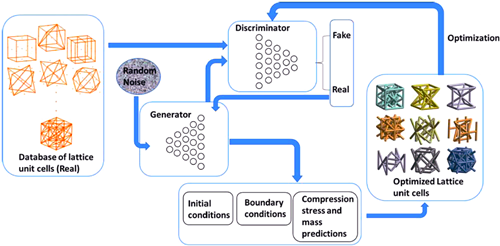
Interpenetrating phase composites (IPCs), which achieve a continuous interpenetration of porous ceramic skeletons and polymer or metal phases in 3D space, have opened up a new way to overcome the brittleness of ceramics and given new possibilities for the development of next-generation impact-resistant and damage-tolerant advanced ceramics. Additive manufacturing (AM) provides support for the controllable preparation of IPCs. Hence, this paper systematically reviews the progress of additively manufactured ceramic lattice-based IPCs. Firstly, AM processes such as vat photopolymerization, powder bed fusion, material extrusion, and binder jetting are introduced, with their respective technical characteristics and scope of application. Next, ceramic lattice structures, such as honeycomb, truss, plate lattice, and shell structures, are discussed as well as their unique advantages in mechanical properties. Then, core composite processes including infiltration and electrodeposition of two key IPC systems, polymer/ceramic and metal/ceramic IPCs, are provided, and the effects of key parameters such as structural configuration, volume fraction, and gradient design on their mechanical properties are summarized. Finally, based on the current research status, the challenges and opportunities in terms of composite processes, multi-scale structural design, and multifunctional integration are further analyzed and forecasted.
|
|
|
Research Progress on Controllable Synthesis of Blue-emitting ZnSeTe Quantum Dots and Quantum-dot Light-emitting Diode Devices
FEI Wenlong, WANG Yakun, LIAO Liangsheng
2026 Vol. 41 (7): 867–882
Abstract(
362 )
HTML(
7)
PDF(9604KB)(
166
)
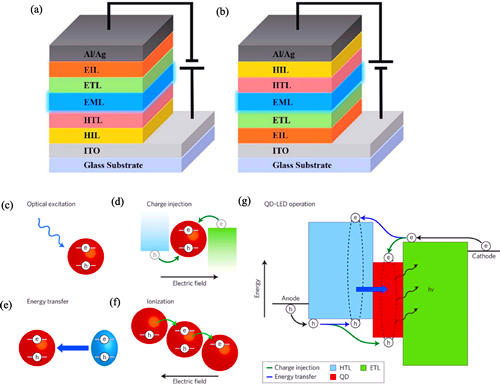
Colloidal quantum dots (QDs) are promising emissive materials for optoelectronic devices owing to their tunable emission wavelength, high color purity, and solution processability. Quantum-dot light-emitting diodes (QLEDs), an important complementary technology to organic light-emitting diodes, have demonstrated considerable potential in display applications. However, the inherent toxicity of conventional Cd- and Pb-based QDs has driven the development of heavy-metal-free QDs systems. Currently, heavy-metal-free blue QLEDs still lag significantly behind their red and green counterparts in device efficiency and operational stability, representing a critical bottleneck to their practical application. To address this issue, ZnSeTe QDs have attracted significant research interest due to their tunable bandgap and excellent blue emission properties. In this work, a comprehensive review of ZnSeTe QDs is provided. Firstly, their nucleation and growth mechanisms, as well as typical synthesis methods are introduced, and the key factors affecting their optical properties are discussed. On this basis, various performance optimization strategies, including band engineering, surface etching, shell passivation, and ligand regulation, are systematically summarized. Furthermore, electroluminescence mechanisms of QLEDs and recent progress on the application of ZnSeTe QDs in blue-emitting devices are reviewed. Finally, the current challenges, such as low emission efficiency, limited device lifetime, and charge injection imbalance, are discussed, and potential future development directions are proposed.
|
|
|
Recent Advances in Constructing Oriented Ion Transport Channels with Two-dimensional Layered Materials for Electrochemical Energy Storage
QIN Shanli, GUO Jiawen, CHEN Yanmeng, JU An’an, WEI Yi, HUANG Kelin, HOU Xianghua, LÜ Sishi, WEN Zhipeng, WU Lian
2026 Vol. 41 (7): 883–898
Abstract(
450 )
HTML(
6)
PDF(10547KB)(
177
)
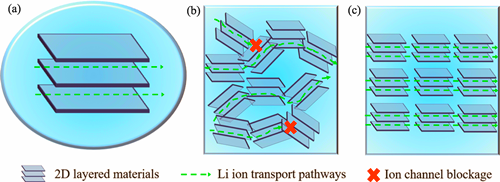
Two-dimensional (2D) layered materials have attracted extensive attention in the field of electrochemical energy storage due to their ordered layered structure, tunable interlayer spacing, and rich surface chemistry. In particular, the strategy of utilizing their 2D layered structure to construct oriented ion transport channels in electrochemical energy storage devices (e.g., metal-ion batteries, lithium-sulfur batteries, sodium-sulfur batteries, and supercapacitors) has become one of the current research hotspots. By achieving oriented alignment of 2D layered materials in various components of electrochemical energy storage devices (e.g., electrodes, separators, and solid-state electrolytes), long-range ordered ion transport channels with low tortuosity can be constructed, enabling high-speed ion transport and effectively enhancing the charge-discharge performance of these devices. This review focuses on the ion transport processes in electrochemical energy storage devices and provides a comprehensive overview of the research progress in constructing oriented ion transport channels using typical 2D layered materials (e.g., two-dimensional transition metal carbonitrides (MXenes), layered double hydroxides (LDHs), 2D layered metal-organic frameworks (2D MOFs), graphene, and layered clay minerals) in electrodes, polymer electrolytes, and separators. The advantages and disadvantages of fabrication methods(external electric/magnetic field alignment, shear force alignment, self-assembly, and template methods) for achieving oriented alignment of 2D layered materials are summarized. Furthermore, the influence of the structural characteristics of oriented ion transport channels on ion transport performance, including ionic conductivity, cation transference number, and ion diffusion coefficient, is analyzed, and the ion transport mechanisms within 2D layered oriented ion transport channels are discussed in depth. Finally, the current challenges and issues are concluded, and future research directions are proposed with the aim of providing insights for the development of high-performance electrochemical energy storage devices.
|
|
|
Alumina-based Directionally Solidified Eutectic Ceramics: Microstructure, Control Strategies and Environmental Stability
ZHOU Cui, LI Jie, SUN Luchao, SU Haijun, WANG Jingyang
2026 Vol. 41 (7): 899–914
Abstract(
511 )
HTML(
9)
PDF(10918KB)(
325
)
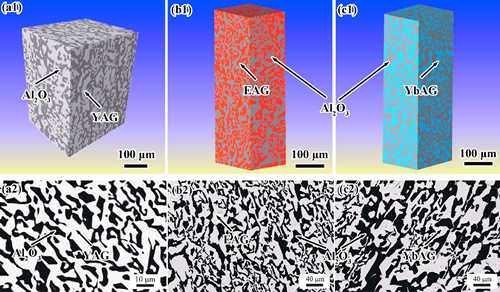
With the rapid advancement of aviation industry, high-temperature structural materials used in aero-engines are encountering increasingly severe service environments and performance challenges. To meet exacting requirements of future technologies, turbine inlet temperature of advanced aero-engines with a thrust-to-weight ratio exceeding 10 is projected to surpass 1500 ℃. Al2O3-based directionally solidified eutectic ceramics are regarded as ideal and key candidate materials for next-generation extreme working conditions, particularly for long-term use in high-temperature oxidative environments, owing to their melting points exceeding 1700 ℃, outstanding high- temperature stability, and inherent oxidation resistance. This paper provides a comprehensive review of microstructural characteristics of Al2O3-based directionally solidified eutectic ceramics, with particular emphasis on their morphological features, crystallographic relationships and interfacial structures. Subsequently, discussion focuses on strategies for microstructure control, including optimization of processing parameters, optimal selection of eutectic components, and implementation of innovative approaches such as high-entropy design. Furthermore, a comprehensive analysis is conducted to evaluate stability of these materials under typical high-temperature service conditions, including thermal exposure, oxidative environments, and chemically corrosive media, with particular emphasis on their chemical stability characteristics. Based on this comprehensive review, key scientific issues and core technical challenges in current research are identified. Future research directions are also proposed to establish a theoretical foundation and provide technical guidance for engineering applications of these materials in advanced aero-engine systems.
|
|
|
Interface Modulation and Microwave Absorbing Mechanism of Ti4O7/CoNi/CNT Heterostructures
LI Yang, CHEN Jianing, QING Yuchang, FAN Bingbing
2026 Vol. 41 (7): 915–922
Abstract(
421 )
HTML(
15)
PDF(3979KB)(
1622
)
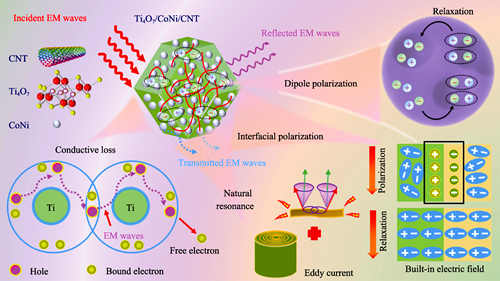
In light of increasingly complex electromagnetic (EM) environments and growing multi-spectrum detection threats, the development of high-performance stealth materials has become critically urgent. Although oxygen-deficient Ti4O7 exhibits relatively high electrical conductivity and EM attenuation capability, its excessively high dielectric constant often leads to impedance mismatch, thereby limiting its practical applicability. To address this challenge, Ti4O7 can be integrated with magnetic or dielectric materials possessing complementary EM properties, enabling enhanced ferromagnetic resonance and dielectric loss performance. In this study, the electronic structure and crystal defects of TiO2 were initially modulated via a hydrogen reduction method, successfully yielding phase-pure Ti4O7. Subsequently, a magnetic CoNi alloy and carbon nanotube (CNT) were deposited onto its surface through a solvothermal process, forming a Ti4O7/CoNi/CNT composite absorber. Within this architecture, the CoNi layer contributes to enhanced interfacial polarization and magnetic loss, while the incorporation of CNT effectively increases conductive loss and reduces overall material density, thus achieving a synergistic improvement in both dielectric and magnetic loss mechanisms. Experimental results demonstrate that when the Ti4O7/CoNi/CNT composite with a CNT mass fraction of 4% is incorporated into a paraffin matrix at a loading content of 45% (in mass) and a thickness of 2.03 mm, the minimum reflection loss reaches -80.6 dB, with an effective absorption bandwidth of 2.0 GHz. In conclusion, the Ti4O7/CoNi/CNT composite exhibits exceptional EM wave absorption performance, offering significant implications for the stealth protection of advanced platforms such as unmanned aerial vehicles.
|
|
|
CMAS Corrosion Resistance of Al-modified Si-HfO2/YbDS/GYYZO Thermal/Environmental Barrier Coating
SHANG Sen, JIANG Linwen, DONG Hao, DAI Rui, WU Jian, ZHUO Xueshi, ZHANG Jungui, ZHANG Xiaofeng
2026 Vol. 41 (7): 923–929
Abstract(
359 )
HTML(
7)
PDF(10651KB)(
183
)
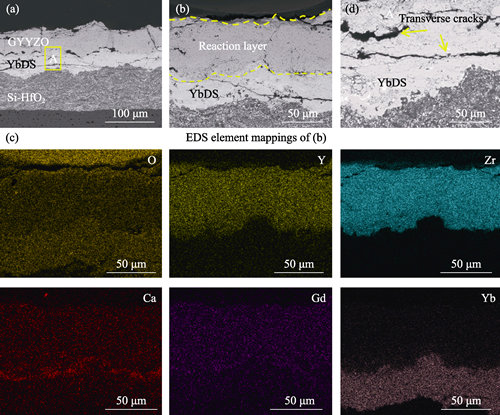
The rising service temperature of aero-engine hot-section components makes calcium magnesium aluminum silicate (CMAS) corrosion a key failure mechanism for thermal/environmental barrier coatings (T/EBCs). The novel Gd2O3-Yb2O3-Y2O3 co-stabilized ZrO2 (GYYZO) ceramic is promising due to its good thermophysical properties. However, its CMAS corrosion resistance at 1500 ℃ needs improvement. In this work, a PS-PVD- fabricated Si-HfO2/Yb2Si2O7/GYYZO coating system was enhanced via Al deposition and vacuum heat treatment. Firstly, the as-sprayed coating was annealed at 1300 ℃ to heal microcracks. Subsequently, a 3-4 μm thick aluminum film was deposited on the GYYZO layer surface via direct current pulsed magnetron sputtering. Finally, vacuum heat treatment (400 ℃/2.5 h + 660 ℃/2 h + 808 ℃/1.5 h + 980 ℃/1 h) was conducted to promote the formation of a dense Al2O3 barrier layer. A comparative study at 1500 ℃ revealed that CMAS rapidly penetrated the unmodified GYYZO coating along grain boundaries, causing blistering and cracking in the Yb2Si2O7 layer and accelerating failure. Conversely, the Al-modified GYYZO coating formed a dense Al2O3 barrier in situ, effectively suppressing CMAS penetration and slowing corrosion kinetics, thus maintaining structural integrity after 1 h.
|
|
|
Growth and Yellow Emission Spectral Properties of Dy:Y2SiO5 and Dy,Tb:Y2SiO5 Single Crystals
LIU Yuxiao, LIANG Fei
2026 Vol. 41 (7): 930–938
Abstract(
462 )
HTML(
3)
PDF(2151KB)(
255
)
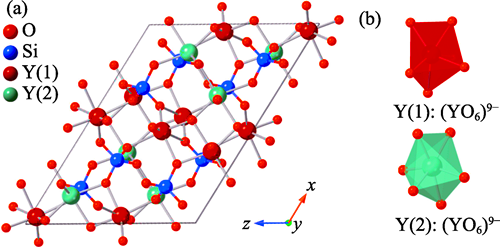
Yellow laser sources in the range of 570-590 nm have many important applications in frontier fields such as flow cytometry, sodium guide star, and ophthalmic surgery. Yellow laser output from blue laser diode-pumped Dy3+-doped crystals is a promising technology with advantages of high efficiency, compactness, and high power stability. However, Dy3+-doped laser crystals mainly focused on low-phonon-energy fluorides, while the high- phonon-energy oxides were rarely studied. Herein, high-quality Dy3+-doped and Dy3+, Tb3+ co-doped Y2SiO5 (YSO) crystals were grown by the optical floating zone method. The yellow emission and energy transfer processes in Dy:YSO and Dy,Tb:YSO crystals were investigated. Compared with Dy:YSO, the absorption cross-section of Dy,Tb:YSO at 450 nm increases from 1.75×10⁻²¹ cm2 to 2.21×10⁻²¹ cm2, and the yellow emission cross-section at 574 nm increases from 3.45×10⁻²¹ cm2 to 4.32×10⁻²¹ cm2. In addition, the co-doped Tb3+ ions act as deactivator ions and the energy transfer efficiency from 6H13/2 level of Dy3+ to 7F4 level of Tb3+ is 50.7%. As a result, the lifetime of Dy3+ lower level is greatly shortened to 202.9 µs, which is favorable for population inversion and yellow laser output. These results indicate that Dy,Tb:YSO crystal is a promising yellow laser gain medium.
|
|
|
Influence of Preparation Processes on the Structure and Properties of the Ductile Thermoelectric Material Ag2S0.4Te0.6
LIU Jinxiao, LIU Zhenhan, CHEN Xingyu, ZHOU Zhengyang, QIU Pengfei, ZHANG Jiawei, SHI Xun
2026 Vol. 41 (7): 939–946
Abstract(
369 )
HTML(
7)
PDF(10727KB)(
241
)
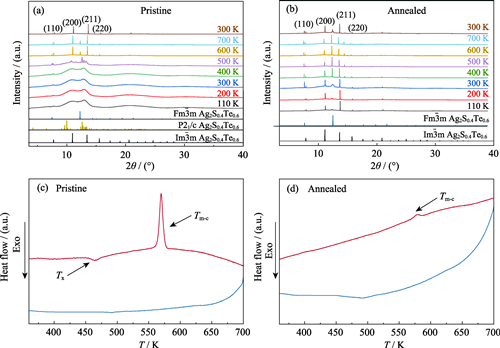
Ag2S0.4Te0.6 is an inorganic semiconductor with favorable ductility and thermoelectric performance, showing potential for applications in wearable electronics. Recent studies have indicated that optimization of preparation processes, such as annealing, can significantly enhance the ductility of the material, which is closely related to its phase composition and crystal structure. In this work, high-resolution synchrotron radiation powder X-ray diffraction data of the Ag2S0.4Te0.6 powder sample before and after annealing were collected over a temperature range of 110-700 K. By combining Rietveld structural refinement, high-resolution transmission electron microscopy, and atomic pair distribution function analysis, the influence of the annealing process on the phase composition and structural evolution behavior of the powder samples was investigated in detail. The results show that the pristine Ag2S0.4Te0.6 powder is predominantly amorphous, containing only a small amount of poorly crystalline monoclinic phase. During heating, the material gradually crystallizes, first forming a monoclinic phase, which subsequently transforms into mixed body-centered cubic (bcc) and face-centered cubic (fcc) phases. After cooling back to room temperature, the sample remains in a mixed state of bcc-dominated cubic crystallinity and amorphous phase. In contrast, the annealed powder sample already exhibits a mixed cubic crystalline/amorphous state at room temperature, and no obvious phase transition behavior is observed during heating. Moreover, the thermoelectric properties of Ag2S0.4Te0.6 bulk sample remain largely unaffected by the annealing process. This study provides structural insights for further understanding the annealing-induced improvement in ductility of Ag2S0.4Te0.6 materials.
|
|
|
Effect of SiC Particle Content on Mechanical Properties and Ablation Resistance of (Ti,Zr,Hf,Ta,Cr)(C,N)-SiC Ceramics
PENG Yuchao, DONG Yuan, DONG Shun, XIA Liansen, HU Peitao, ZHANG Xinghong, ZHOU Yanchun
2026 Vol. 41 (7): 947–954
Abstract(
403 )
HTML(
3)
PDF(12811KB)(
746
)
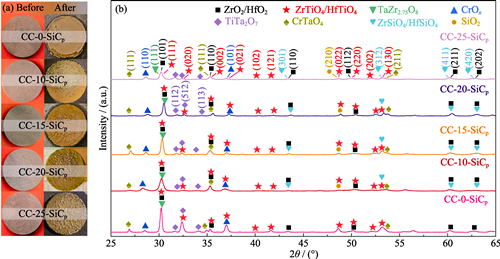
Compared to conventional ultra-high temperature ceramics (UHTCs), multi-principal carbonitride UHTCs exhibit superior high-temperature stability and ablation resistance. However, the inherent brittleness of these materials poses a significant constraint on their widespread applications. To overcome this drawback, in this study, (Ti,Zr,Hf,Ta,Cr)(C,N)-SiC ceramics were fabricated by combining mechanical alloying/nitridation with spark plasma sintering through the introduction of second-phase SiC particles (SiCp) into the system, and influence of different SiCp contents on the mechanical properties and ablation resistance of the materials was systematically investigated. The results indicate that incorporation of SiCp effectively enhances the mechanical properties of the materials. When the volume fraction of SiCp reaches 20%, the fracture toughness achieves (5.18±0.24) MPa·m1/2, representing a substantial enhancement of 31.5% compared to the (Ti,Zr,Hf,Ta,Cr)(C,N) ceramic. This improvement in fracture toughness can be attributed to toughening mechanisms, including crack deflection and branching, owing to the introduction of SiCp. Further oxygen-acetylene ablation tests at 2100 ℃ for 120 s demonstrate that incorporation of SiCp also significantly enhances the ablation resistance of the material. The optimal performance is achieved at a SiCp volume fraction of 20%, with a mass ablation of -0.92 mg/s and a linear ablation of -1.17 μm/s, outperforming most reported conventional UHTCs. The enhancement in ablation resistance can be attributed to the pinning effect exerted by a high-melting-point multicomponent oxide skeleton on the low-melting-point SiO2 phase, as well as the synergistic formation of a multicomponent dense oxide barrier that effectively suppresses oxygen diffusion. This work presents a strategy to resolve the intrinsic brittleness of multi-principal carbonitride UHTCs through the optimal incorporation of SiCp, which concurrently improves the mechanical properties and ablation resistance. These results provide a theoretical foundation and experimental data for the design of advanced thermal protection materials.
|
|
|
Rapid and Low-temperature Fabrication of Mullite Ceramics with Dual-mode Radar/Infrared Transmission Characteristics
CUI Kaimin, LI Duan, ZENG Lei, PENG Jiangshan, WANG Yanfei, LIU Rongjun
2026 Vol. 41 (7): 955–964
Abstract(
367 )
HTML(
10)
PDF(13075KB)(
213
)
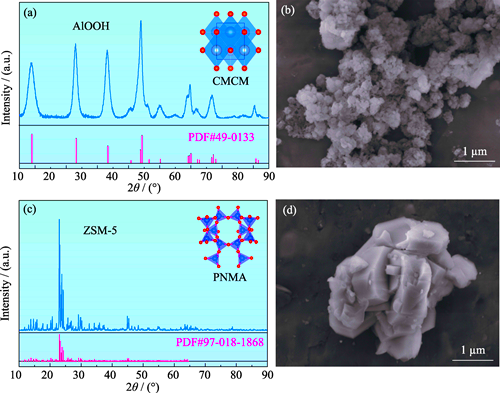
Rapid development of high-speed aircraft technology poses an urgent demand for materials capable of integrating radar wave transmission and infrared transmission under extreme environments. Mullite ceramics have emerged as promising candidate materials due to their excellent high-temperature mechanical properties, dielectric properties, and inherent infrared transparency. However, the traditional preparation methods of mullite ceramics typically require high sintering temperature and involve complex processes, which limit their practical applications. In this work, one-step rapid sintering of mullite ceramics at 1200 ℃ was successfully achieved by utilizing highly active, low-cost porous raw materials and spark plasma sintering (SPS) technology, significantly reducing the sintering temperature and shortening the preparation cycle. This process relied on the synergistic effect between the high-activity surfaces released by mesoporous structure collapse and the SPS field effect, thereby developing a low-cost, short-cycle, and low-temperature preparation process. The effects of sintering process parameters on the microstructure, mechanical properties, dielectric properties, and infrared transmission properties of the ceramics were investigated in depth. Under the conditions of 1200 ℃, 70 MPa and a heating rate of 100 ℃·min-1, the prepared ceramics exhibit a density of up to 3.06 g·cm-3 and an open porosity as low as 1.6%, with a flexural strength of 152.9 MPa and a flexural modulus of 87.1 GPa. The high mechanical pressure promotes the transformation of mullite grains from acicular to short columnar, and the fracture mode transitions from intergranular to transgranular, endowing the ceramics with excellent mechanical properties. In the 8-16 GHz frequency band, the average dielectric constant is 6.77 with good stability, the dielectric loss tangent is 4.7×10⁻⁴, and the wave transmittance exceeds 70%, which is attributed to the significant reduction in dielectric polarization caused by the residual pores in the sintered ceramics. Meanwhile, the transmittance in the near-infrared band reaches 45.11%, demonstrating promising application prospects in the field of radar/infrared dual-mode wave-transparent materials.
|
|
|
High-efficiency Construction and Performance Optimization of Surface-modified LSCF-GDC Multiphase Composite Air Electrodes
SHEN Xuesong, XIE Kaifeng, XUE Qiang, ZHENG Guozhu, XIAO Guoping, CHEN Ting, CHEN Wenmiao, WANG Shaorong
2026 Vol. 41 (7): 965–973
Abstract(
279 )
HTML(
3)
PDF(2810KB)(
365
)
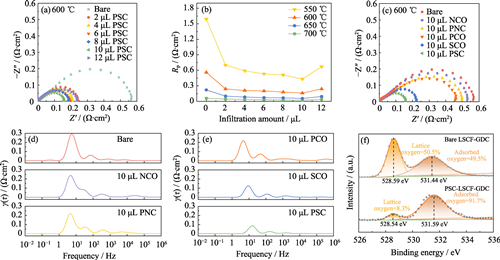
To enable the efficient operation of reversible solid oxide cells (RSOCs) at intermediate or lower temperatures, the development of high-performance air electrodes is crucial. This work addresses the insufficient oxygen reduction reaction (ORR) and oxygen evolution reaction (OER) activity of the conventional La0.6Sr0.4Co0.2Fe0.8O3-δ-Gd0.2Ce0.8O3-δ (LSCF-GDC) air electrode at these temperatures by constructing a nanocatalyst coating on the LSCF-GDC electrode skeleton via a simple and cost-effective infiltration method. Through systematic optimization of the sintering temperature, loading amount and type of catalysts, Pr0.5Sr0.5CoO3-δ (PSC) is confirmed as the optimal catalyst for modification. The modified symmetrical cell exhibits a polarization resistance (Rp) of 0.16 Ω·cm2 at 600 ℃, 71.4% lower than that of the pristine LSCF-GDC air electrode (0.56 Ω·cm2). Relaxation time distribution analysis indicates that PSC nanoparticles significantly enhance the ORR/OER kinetics by synergistically optimizing oxygen diffusion, surface exchange, and ion transport processes. The single cell with PSC modification achieves an outstanding peak power density of 1.23 W·cm-2 in the fuel cell (FC) mode at 700 ℃ with a 92.19% enhancement. Both FC and electrolysis cell (EC) modes modified with nano-PSC exhibit superior long-term stabilities. This study demonstrates that PSC impregnation modification is an effective strategy for comprehensively improving the overall performance of LSCF-GDC air electrodes, which is of great significance for promoting intermediate temperature RSOC technology.
|
|
|
Manganese Dioxide/Biocarbon Composite Photothermal Material: Synthesis and Performance in Solar Interface Water Evaporation
FAN Shengqiang, ZHOU Shuhao, QIAN Junchao, MA Ruguang, WU Zhengying
2026 Vol. 41 (7): 974–982
Abstract(
437 )
HTML(
6)
PDF(10834KB)(
2895
)
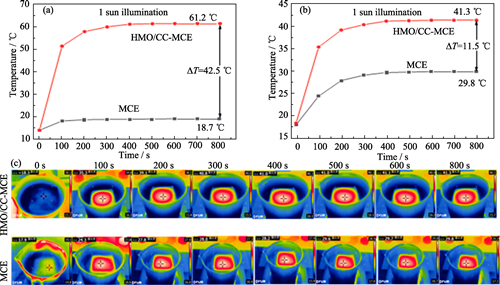
Solar-driven interfacial water evaporation technology, as an important approach for efficiently and sustainably generating clean water, is one of the hot research topics in the fields of materials and environment. However, the lack of low-cost and high-efficiency photothermal materials remains a key challenge for the widespread application of this technology. In this study, manganese dioxide (HMO) was uniformly grown onto camellia-derived biocarbon (CC) as the support and structure-directing agent, forming a manganese dioxide/biocarbon (HMO/CC) composite with low crystallinity and rich in defects. The resulting HMO/CC exhibits a high solar absorption efficiency of 94.2% in the 250-2500 nm range, as well as superior photothermal conversion capability to single-component HMO. The HMO/CC-MCE photothermal membrane assembled from this composite and mixed cellulose ester (MCE) filter membrane displays excellent hydrophilicity and photothermal conversion capability, achieving an evaporation rate of 1.505 kg·m-2·h-1 and an evaporation efficiency of 92.47% under 1.0 kW·m-2 solar irradiation, which is better than those of HMO (85.00%) and CC (82.64%), and 9.9 times that of pure water without membrane. A three-dimensional HMO/CC-PU evaporator was then fabricated by integrating HMO/CC with polyurethane (PU) sponge, which can achieve a surface temperature of 68.3 ℃ within 600 s and an enhanced evaporation rate of 2.274 kg·m-2·h-1. Additionally, the device maintains a stable evaporation rate of 2.271 kg·m-2·h-1 after 15 cycles in a model seawater. In this study, the approach using biomass-derived carbon as a template to construct composites provides a valuable reference for the development of novel photothermal materials and their applications in desalination and wastewater treatment.
|
|
|
Preparation and in vitro Synergistic Osteogenic-promoting Effect of Puerarin/Mesoporous Bioactive Glass Composites
XU Ming, WANG Yuanfei, WU Tong
2026 Vol. 41 (7): 983–992
Abstract(
321 )
HTML(
7)
PDF(5829KB)(
225
)
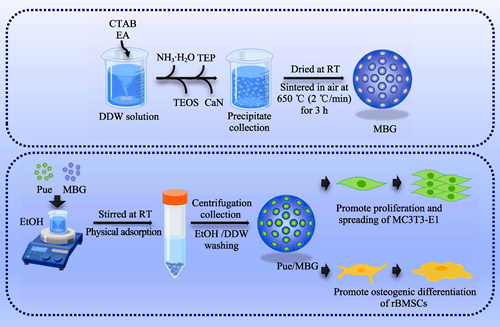
Bone defects caused by trauma, infection, or osteoporosis pose significant clinical challenges. Developing bioactive materials that effectively promote bone regeneration is particularly important. In this study, mesoporous bioactive glass (MBG) was prepared via the Sol-Gel method, and puerarin (Pue)-loaded MBG (Pue/MBG) composites were constructed through physical adsorption. The results show that the prepared MBG exhibits a high specific surface area and an ordered mesoporous structure, successfully achieving Pue loading and sustained release. In vitro experiments demonstrate that Pue/MBG composites effectively promote the proliferation of mouse embryonic osteoblast precursor cells and rat bone marrow mesenchymal stem cells, while enhancing their osteogenic differentiation capabilities. This is evidenced by increased early-stage alkaline phosphatase activity and enhanced late-stage mineralization nodule formation. In conclusion, this study successfully develops an efficient bone-repair composite material based on the synergistic effect of Pue and MBG, with its excellent osteogenic capacity showing promising applications in bone tissue engineering.
|
|
|
Regulation of Electronic Properties of Novel Two-dimensional SixCy under External Strain
HUANG Kuisui, WANG Kexin, LUO Wanhao, LI Fei, GE Yiyao, GAO Yixuan, CHEN Kexin
2026 Vol. 41 (7): 993–1000
Abstract(
309 )
HTML(
9)
PDF(11187KB)(
130
)
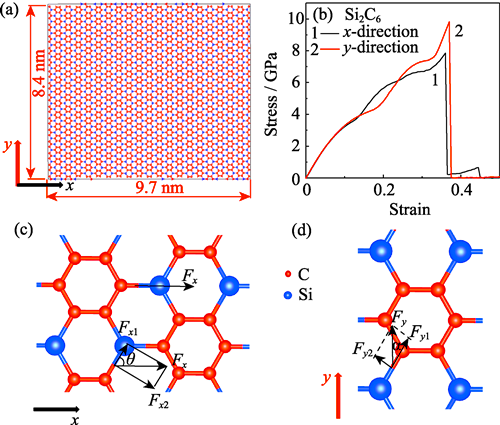
Two-dimensional (2D) SixCy materials have become a research hotspot in materials science due to their unique structural tunability and outstanding physicochemical properties. Among these, 2D Si2C6, Si6C12 and Si12C20 are theoretically predicted to represent a novel class of topological insulator materials. Si2C6 and Si12C20 are semimetallic materials exhibiting Dirac cones, while Si6C12 is a high-order topological insulator with an intrinsic large bandgap. Currently, the regulation of electronic properties in two-dimensional SixCy (Si2C6, Si6C12 and Si12C20) materials by stress remains to be investigated. In this study, first-principles density functional theory (DFT) was employed to investigate the strain-induced electronic properties of 2D SixCy (Si2C6, Si6C12 and Si12C20) materials. Computational results reveal that near the biaxial tensile fracture strain, the Dirac cones of Si2C6 and Si12C20 remain intact. However, even small biaxial compressive strains or uniaxial strains disrupt the degeneracy at the Dirac points of Si2C6 and Si12C20, transforming them from topological insulators into trivial direct-bandgap semiconductors. Furthermore, biaxial strain modulates bandgap of the higher-order topological insulator Si6C12. Under 0-4% compressive strain, the bandgap decreases with increasing compressive strain. Under 0-10% tensile strain, the bandgap increases with increasing biaxial tensile strain. The bandgap of Si6C12 exhibits significant sensitivity to strain variations, making it a promising candidate for semiconductor devices. Near fracture strain, the valence and conduction bands of Si6C12 intersect, resulting in metallic behavior. Under uniaxial strain, tensile or compressive deformation induces band delocalization at the Γ point. Additionally, classical molecular dynamics (MD) simulations were employed to investigate the mechanical properties of Si2C6, Si6C12, and Si12C20. Results indicate that the fracture strengths of these materials decrease as the C/Si ratio reduces. The fracture strains of Si2C6, Si6C12, and Si12C20 range from 0.32 to 0.37, exceeding those of single-crystal graphene and defect-free hexagonal boron nitride, and demonstrating excellent ductility. The datasets in this article are listed in Science Data Bank at http://doi.org/10.57760/sciencedb.jim.00065.
|
|
|
Machine Learning-assisted Design of High-temperature BSPT-based Piezoelectric Ceramics with Enhanced Dual Properties
ZUO Zhiping, GUO Chun, ZHOU Zhiyong
2026 Vol. 41 (7): 1001–1010
Abstract(
787 )
HTML(
18)
PDF(6394KB)(
536
)
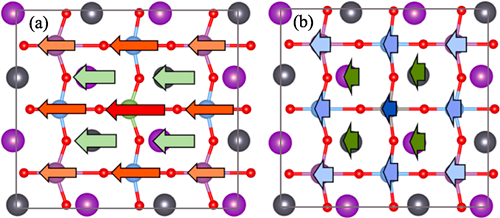
BiScO3-PbTiO3 (BSPT)-based piezoelectric ceramics have emerged as one of the most promising candidates for high-temperature piezoelectric applications above 350 ℃ due to their high Curie temperature (TC) and large piezoelectric coefficient (d33). However, the conventional trial-and-error approach is inefficient for the rapid design of high-temperature piezoelectric ceramics across a wide compositional space. In this work, we developed a machine learning model trained on a small dataset and integrated it with experimental knowledge to accelerate the design of BSPT-based ceramics with simultaneously large d33 and high TC. Guided by the trained model, we designed Ga-W ion-pair co-doped 0.36BiScO3-0.64PbTi1-x(Ga2/3W1/3)xO3 (BSPTGW1000x) ceramics. The results demonstrated that this doping strategy significantly modified the lattice distortion and domain structures of BSPT-based ceramics, leading to enhanced piezoelectric performance. Among the compositions, BSPTGW10 (x=0.010) exhibited the best overall properties (d33=525 pC/N, TC=423 ℃), which were in close agreement with the predicted values. Moreover, its piezoelectric coefficient variation remained within ±15% up to 365 ℃, indicating excellent thermal stability. This study not only provides an effective approach for the rapid discovery of BSPT-based ceramics with dual high-performance characteristics, but also yields a promising piezoelectric ceramic material suitable for high-temperature applications. The datasets in this article are listed in Science Data Bank at https://www.doi.org/10.57760/sciencedb.27980.
|
|
|
Quantitative Investigation of the Creep Resistance of Different SiC Fibers after Annealing at High Temperature
ZHOU Xue, LIU Zhe, REN Yan, YU Jinshan, YANG Tianyue, ZHAO Zhongqian, WANG Honglei, ZHOU Xingui, GOU Yanzi
2026 Vol. 41 (7): 1011–1020
Abstract(
423 )
HTML(
17)
PDF(23557KB)(
278
)
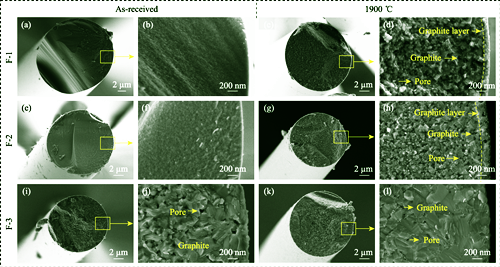
SiC fibers exhibit exceptional high-temperature stability and mechanical properties, making them a crucial reinforcement in advanced ceramic matrix composites for reusable launch vehicles. The composition and microstructure of different types of SiC fibers vary significantly, which directly influence their high-temperature creep resistance. However, the underlying microstructural mechanisms by which heat treatment influences creep performance remain unclear. This work presents a comparative analysis of the creep behaviors of Shincolon-Ⅱ (F-1), KD-S (F-2) and KD-SA (F-3) SiC fibers. The results reveal that the superior creep resistance of F-3 is attributed to its near-stoichiometric composition and highly crystalline microstructure, while the better performance of F-2 compared to F-1 is mainly due to its lower content of free carbon and higher degree of structural ordering. High-temperature heat treatment in argon can generally improve their creep resistance. After heat treatment at 1900 ℃ for 1 h, the stress relaxation parameter (m) increases by more than 10 times for F-1 and F-2, and by approximately 5 times for F-3, compared to that of the as-received fibers tested at 1500 ℃. The mechanisms by which heat treatment enhances creep resistance differ for the different fibers. For F-1 and F-2, the dominant factors are grain growth and carbon graphitization, whereas for F-3, the improvement relies primarily on the stabilization of grain boundaries by Al compounds and graphitized carbon, along with structural densification. The findings of this work provide a theoretical foundation for improving the creep resistance of SiC fibers and optimizing their comprehensive mechanical performance.
|
|