|
|
Ultra-large Macroscopic Plastic Deformation and Metalworking in Inorganic Semiconductors
FENG Hengyang, WEI Tianran, QIU Pengfei, SHI Xun
2026 Vol. 41 (6): 681–688
 Abstract
(
747 )
 HTML
HTML(
5)
 PDF
PDF(1372KB)(
1327
)
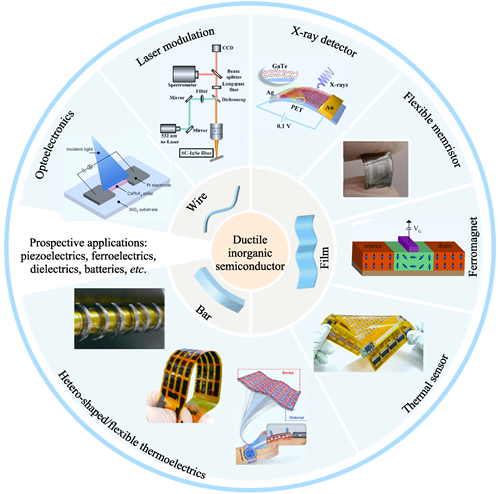
Brittleness is a major bottleneck that limits the efficient processing and manufacturing of inorganic semiconductor materials and their application in complex structural scenarios. Overcoming the intrinsic brittleness of inorganic semiconductors and achieving metal-like processing and manufacturing have long been a significant challenge in the field of materials science. In recent years, Chinese researchers have pioneered the discovery of room-temperature macroscopic ultra-large plastic strain in inorganic semiconductors, reshaping the traditional understanding of the mechanical properties of these materials. The exceptional plasticity of these materials enables various metal-like processing and manufacturing methods, resulting in diverse material forms such as sheets, foils, wires, and rods, which greatly expands the application scenarios. After years of development, ductile inorganic semiconductors have gradually emerged as an important and emerging research focus in the field of inorganic non-metallic materials. This perspective briefly reviews the research progress and development trajectory of this new direction, with a focus on representative work in materials discovery, deformation mechanisms, cold and warm processing, and exemplary applications. Finally, we tentatively outline the challenges and potential future research directions in this field.
|
|
|
Research Advances on Machine Learning-driven Development of Novel Luminescent Materials
SONG Kunjie, XIE Rongjun
2026 Vol. 41 (6): 689–703
Abstract(
897 )
HTML(
5)
PDF(2765KB)(
3013
)
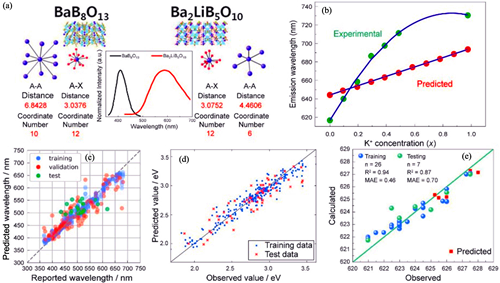
Phosphor materials are essential functional components in modern optoelectronics, playing a crucial role in next-generation displays, solid-state lighting, biomedical imaging, and sensing applications. However, the properties of materials are stringently required in multiple dimensions for practical applications. The conventional trial-and-error approach impedes the development of novel high-performance phosphors due to its long cycles and high costs. In recent years, the rapidly advancing machine learning (ML) methodology presents an innovative solution to addressing these bottlenecks. It not only dramatically accelerates the high-throughput virtual screening of candidate materials by establishing complex mappings among “composition-structure-property”, substantially improving efficiency, but also provides novel theoretical insights into structure-property correlations through algorithm-derived importance weights. This review systematically outlines the methodological framework for ML-driven phosphor development, covering key stages including data preparation, feature engineering, model selection, model evaluation and application. It further discusses specific considerations and corresponding strategies for each stage of the process. Subsequently, it reviews recent research progress in applying ML to predict key phosphor properties, encompassing critical metrics such as emission wavelength, full width at half-maximum (FWHM), thermal stability, fluorescence lifetime, centroid shift, and process optimization. Finally, this review addresses existing challenges in current research, such as scarcity of reliable data, complexity of materials properties, and difficulties in parameter quantification. The article outlines future development trends for the deep integration of artificial intelligence (AI) technology in luminescent materials research, aiming to provide a valuable reference for promoting the establishment of an “AI for Science” paradigm in the field of phosphor materials.
|
|
|
Research Progress on Computational and Data-driven Environmental-friendly Luminescent Materials
HU Yang, XIE Min, ZHANG Xiaoyi, LI Xiang, GUO Xinwei, JIANG Nan, ZHOU Wenhan, ZHANG Shengli, ZENG Haibo
2026 Vol. 41 (6): 704–722
Abstract(
833 )
HTML(
15)
PDF(9817KB)(
471
)
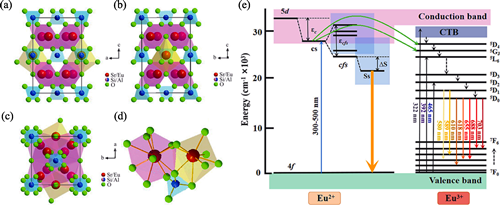
The development of traditional luminescent materials (such as cadmium-based quantum dots and lead halide perovskites) is intrinsically limited by their reliance on toxic heavy metals (e.g., Cd and Pb), which raises severe environmental and health risks throughout their lifecycles. Therefore, the transition toward eco-friendly alternatives, including cadmium-free quantum dots, lead-free halide perovskites, and rare-earth-doped phosphors, has become a pivotal research imperative. Currently, the design and optimization of such materials rely on inefficient trial-and-error experimental paradigms, which often fail to overcome critical bottlenecks in luminous efficiency, environmental stability, and interfacial compatibility. This review systematically outlines the current landscape and technical challenges of environmental-friendly luminescent materials. It highlights how computational techniques, particularly density functional theory, allow the accurate prediction of optoelectronic properties in core-shell structures and the elucidation of defect-induced non-radiative recombination mechanisms, thus facilitating rational material design and property optimization. In addition to theoretical calculations, data-driven technologies further accelerate material screening by leveraging standardized databases and machine learning models, having already yielded high-stability phosphors and high-efficiency narrowband emitters. Finally, an outlook on the synergy between computational and data-driven approaches to overcome existing research and development barriers is provided. Future efforts must focus on deepening the integration of these technologies to advance the practical deployment of environmental-friendly luminescent materials in display and lighting applications, thereby driving the sustainable transformation of the optoelectronics industry.
|
|
|
Photo- and Thermo-chromic Dual-responsive Materials: A Review on Design Strategies and Applications in Smart Windows
CHEN Mingjun, MIAO Hongkang, XIAO Yingjun, DENG Jianbo, ZHANG Xiang, ZHAO Jiupeng, LI Yao
2026 Vol. 41 (6): 723–738
Abstract(
814 )
HTML(
9)
PDF(13780KB)(
325
)
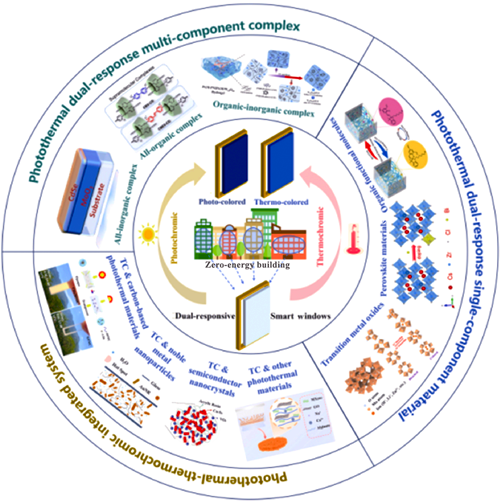
With the continuous growth of the global population and accelerated advancement of industrialization, energy consumption in the construction sector has been rising steadily. Energy conservation and consumption reduction have become a key task for this field to achieve the "dual carbon" goals. As a central component for photothermal exchange within buildings, the thermal insulation and daylighting performance of windows directly determine the energy consumption for regulating the indoor thermal environment, and play a decisive role in the overall energy-saving efficiency of buildings. Traditional energy-saving windows are limited by their static structure, rendering them ill-suited to adapt to changing environments. Smart windows with single-stimulus response, characterized by their singular regulation mode, cannot meet the diversified energy-saving demands. In contrast, photo-thermal dual-responsive smart windows can simultaneously and accurately respond to changes in external light intensity and temperature, realizing dynamic and coordinated regulation of light transmission and heat conduction. This innovation provides an effective solution for building energy conservation. This review systematically summarizes the latest research progress of photo-thermal dual-responsive materials and their smart windows, focusing on three core design strategies: firstly, single-component photo-thermal dual-responsive materials with functional synergy; secondly, photo-thermal dual-responsive multi-component composites integrating photochromic and thermochromic properties; thirdly, coupled systems of photothermal materials and thermochromic materials. For each strategy, the design concept, microstructural characteristics, and photo-thermal dual-responsive color-changing mechanism are elaborated in detail. Meanwhile, the application potential of photo-thermal dual-responsive smart windows in actual building scenarios is deeply discussed, the current technical challenges are systematically analyzed, and the future development prospects are prospected. This review aims to provide comprehensive theoretical references and practical guidance for the structural design optimization, performance improvement, and engineering development of photo-thermal dual-responsive smart windows, thereby promoting the innovation and industrial upgrading of building energy-saving technologies.
|
|
|
Research Progress on Anti-coking Catalytic Materials for Methane Conversion
WANG Junbu, HUANG Zeai, YANG Mingkai, MENG Ying, ZHOU Mingwei, ZHOU Ying
2026 Vol. 41 (6): 739–750
Abstract(
633 )
HTML(
11)
PDF(5467KB)(
5165
)
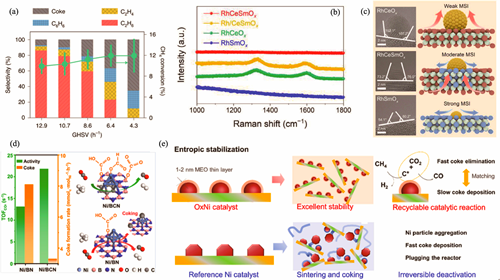
Methane, a primary component of natural gas, shale gas, biogas, and gas hydrates, constitutes a vast hydrogen-rich resource for production of high-value chemicals. However, its intrinsic chemical inertness poses significant challenges for catalytic conversion, primarily due to high activation barriers and severe carbon deposition (coking). These challenges result in rapid catalyst deactivation and reduced selectivity, thereby hindering industrial viability. Consequently, developing high-performance catalytic systems for methane conversion is of strategic importance against the backdrop of global chemical industry upgrading and the demand for efficient energy utilization. While emerging externally driven strategies, including thermocatalysis, photothermal catalysis, and photo-electrocatalysis, enable methane conversion under milder conditions, managing complex carbon deposition remains a persistent challenge. This review systematically categorizes the formation mechanisms of carbon species under both oxidative and non-oxidative environments. Performances of various catalytic systems are examined, ranging from solid-state thermocatalytic and photocatalytic materials to molten-phase frameworks. Special attention is devoted to active site design and metal-support interface engineering as key determinants of carbon resistance, catalytic stability, and product selectivity. Furthermore, mitigation strategies are critically evaluated. Finally, this review outlines future opportunities through the integration of structural optimization, kinetic modulation, field-assisted catalysis, and intelligent design to develop robust, selective, and long-life catalysts for methane valorization.
|
|
|
Biomedical Applications of Injectable Inorganic Biomaterials
WANG Jinwen, YANG Zhen, ZHOU Huan, XIA Dan, YANG Lei
2026 Vol. 41 (6): 751–763
Abstract(
502 )
HTML(
12)
PDF(7530KB)(
357
)
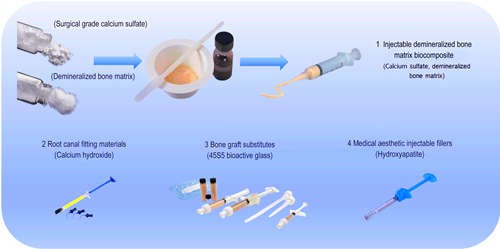
The rapid advancement at the interface of medicine and engineering, as well as emerging biomedical research, has led to a new research area of injectable biomaterials. Owing to their advantages in minimally invasive surgery, injectable biomaterials have been extensively investigated for biomedical research fields such as tissue repair and regeneration, medical imaging, precision diagnosis and therapy, and other minimally invasive therapies. Furthermore, many injectable biomaterials have been successfully translated into medical devices and products. Among injectable biomaterials, inorganic materials possess distinctive materiobiological properties, rheological properties, and unique self-setting behaviors, making them highly promising for biomedical applications including minimally invasive orthopedics, cancer theranostics, and tissue substitution and repair. This review aims to introduce the basics of injectable inorganic materials and summarize their latest research advances and application progress. Firstly, the fundamental concepts and governing principles of injectability are introduced, along with a discussion of key regulatory factors (e.g., geometric properties of the particles, liquid-to-solid ratio of the system, liquid phase viscosity, and physicochemical reactions). Secondly, clinically oriented research and development progress in inorganic injectable biomaterials are summarized, covering areas such as hard tissue repair, medical imaging diagnosis, cancer therapy, dermatology, and plastic surgery. Advantages and limitations of these materials are also analyzed. Finally, the key challenges and future research directions for injectable inorganic biomaterials are discussed. This article is expected to provide valuable references for advancing application-oriented research and facilitating the clinical translation of injectable inorganic biomaterials, thereby promoting the technological innovation and development of related medical devices.
|
|
|
Lithium Tantalate Wafer: Advances in Thinning Technology and Application in Pyroelectric Infrared Detectors
HU Yuqing, ZHU Yixin, LE Xianhao, WAN Qing
2026 Vol. 41 (6): 764–774
Abstract(
782 )
HTML(
9)
PDF(2571KB)(
2841
)
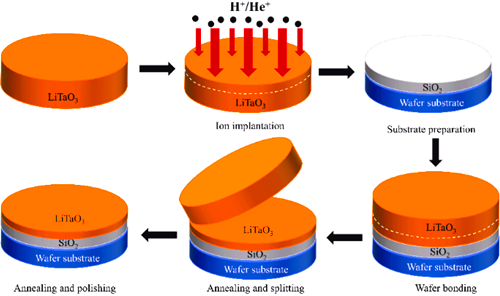
Lithium tantalate (LiTaO3, LT) stands as a significant multifunctional ferroelectric material, playing a critical role in infrared detectors and thermal imaging sensors, owing to its outstanding pyroelectric coefficient, stable physicochemical properties, and broad-band spectral response. In recent years, rapid advancements in micro-electromechanical systems (MEMS) and integrated photonics have driven the evolution of sensor and detection systems toward miniaturization, integration, and high performance. Consequently, the core sensing material of pyroelectric devices has progressively shifted from traditional bulk crystals to high-quality LT single-crystal films, aiming to achieve superior thermal management and electrical performance. This article systematically reviews the development of key thinning technologies for LT single crystals, covering a range of processes from conventional mechanical grinding and chemical mechanical polishing (CMP) to emerging advanced techniques such as crystal ion slicing and the Smart-Cut process. It includes a focused analysis of principles underlying each technical route, achievable film thickness, crystal quality, and their respective advantages and limitations. Building on this foundation, the paper further discusses the application advantages and performance of thinned LT films in pyroelectric detectors. Finally, the review outlines the current technical challenges associated with the fabrication and integration of ultra-thin LT single crystals and offers perspectives on future development directions. This review provides a valuable reference for the development of next-generation, high-performance, and miniaturized pyroelectric devices.
|
|
|
Research Progress on Lead-bismuth Eutectic Corrosion Resistant Coatings
LIU Chunfan, CHEN Ke, GE Fangfang, HUANG Qing
2026 Vol. 41 (6): 775–786
Abstract(
756 )
HTML(
8)
PDF(8106KB)(
5934
)
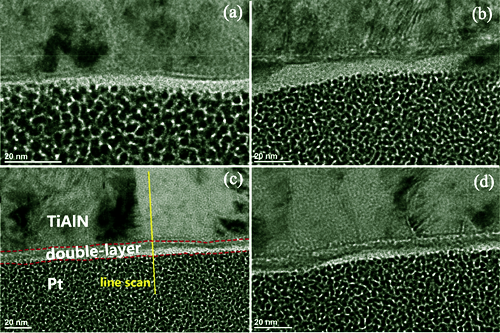
Lead-bismuth eutectic (LBE), with its high boiling point, excellent thermal conductivity, and favorable safety properties, has become the core coolant for accelerator-driven advanced nuclear energy systems (ADANES) and lead-cooled fast reactors (LFRs). However, the coupled issues of oxidation corrosion, dissolution corrosion, and erosion corrosion induced by its high-temperature environment severely threaten the service life of structural materials, and hinder the engineering implementation of advanced nuclear technology. Surface coating technology, which enhances corrosion resistance while preserving the inherent properties of the substrate, has emerged as a key strategy to mitigate LBE corrosion. This paper provides a systematic review of research progress on corrosion-resistant coatings for nuclear applications against LBE corrosion. Starting from corrosion mechanisms, the influences of synergistic factors, including dissolved oxygen, temperature, flow velocity, and irradiation, on corrosion behavior are elucidated. Coatings are classified into three major systems, i.e. metallic, ceramic, and composite, and the corrosion resistance mechanisms, performance advantages, and failure behaviors of FeCrAl(Y), high-entropy alloys, Al2O3, MAX phases, and gradient composite coatings are analyzed. Research indicates that FeCrAl(Y) coatings form a continuous Al2O3 barrier layer through “matrix-oxide film” synergistic effect, with corrosion resistance and mechanical properties correlated to Cr and Al content. High-entropy alloy coatings suppress inward diffusion of corrosion species through lattice distortion and multi-component synergistic oxidation, yet they are susceptible to like high-temperature phase decomposition and irradiation embrittlement. Thermodynamically stable ceramic coatings like Al2O3 provide effective substrate protection, yet tend to fail in high-temperature environments due to amorphous crystallization, interface mismatch, and lack of self-healing. Composite-structured coatings with a gradient architecture of “metal transition layers + ceramic functional layers” present a promising approach for integrating high adhesion, high toughness, and high barrier properties. Future efforts should focus on coupled regulation of environment-composition-process, multi-factor service evaluation, and lifetime prediction models to deliver long-term reliable protection solutions for advanced nuclear energy systems.
|
|
|
Two-dimensional Perovskite Single Crystal Nanosheets: Floating Growth and Optoelectronic Performance
HONG Enliu, TU Xinchen, LI Ziqing, FANG Xiaosheng
2026 Vol. 41 (6): 787–794
Abstract(
700 )
HTML(
11)
PDF(3540KB)(
462
)
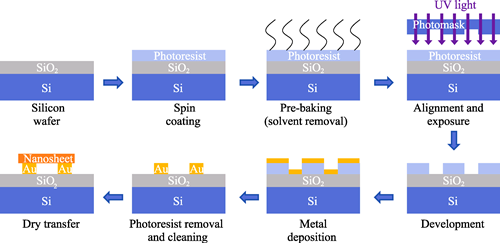
Ruddlesden-Popper (RP) two-dimensional layered perovskites have garnered extensive attention in the fields of optoelectronics due to their intrinsic natural quantum-well structures, tunable physicochemical properties, and remarkable optoelectronic performance. However, the rapid and high-quality preparation of two-dimensional single-crystalline perovskite flakes remains a significant challenge. In this work, a rapid and facile floating method was developed for growing a series of high-quality two-dimensional RP-type perovskite single-crystalline nanosheets with different compositions. The method involves the controlled growth of single-crystalline nanosheets at the liquid-air interface, where surface tension plays a critical role in driving the anisotropic two-dimensional growth of the crystals. By adjusting the types and proportions of long-chain ammonium salts, organic cations and halogens in the precursor solution, 12 kinds of RP-type perovskite single-crystalline nanosheets with different components and shapes (strip-shaped, flake-shaped, plate-shaped, etc.) are successfully prepared, demonstrating the universality of this strategy. The resultant nanosheets exhibit excellent crystalline quality, atomically flat surfaces, and uniform elemental distributions, as confirmed by different characterizations. These structural and compositional properties are essential for achieving consistent and stable optoelectronic performance. Moreover, the photodetectors fabricated based on (BA)2PbBr4 nanosheets exhibit ultraviolet detection capabilities. Under the conditions of 370 nm ultraviolet illumination and 3 V bias voltage, it achieves a responsivity of 19.7 mA/W and a specific detectivity of 1.14×10¹¹ Jones, demonstrating its strong potential as a promising candidate for ultraviolet photodetectors. This study provides a solid foundation for the miniaturization of perovskite optoelectronic devices.
|
|
|
Photonic-detection and Bionic-synapse of Graphene/Bi2O2Se/Graphene Bi-heterojunction Device
SUN Li, XU Yongshan, GAO Yihua
2026 Vol. 41 (6): 795–804
Abstract(
541 )
HTML(
9)
PDF(2070KB)(
333
)
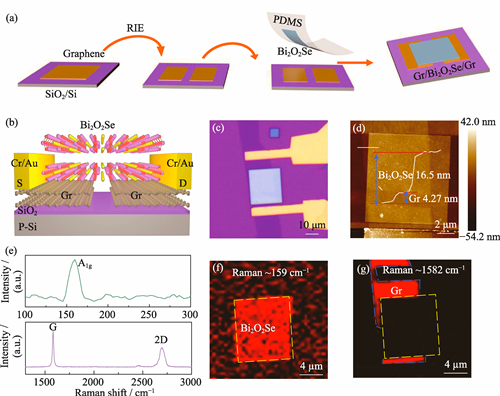
In the process of modern electronic devices developing towards miniaturization, integration, and multi-functional intelligence, two-dimensional (2D) materials offer a promising development path for this field with their diverse structures and unique physicochemical properties. Among numerous 2D materials, Bi2O2Se has attracted extensive attention due to its suitable bandgap, high carrier mobility, and excellent environmental stability. However, current Bi2O2Se-based devices still suffer from issues such as large dark current and low responsivity, which hinder their further development in the field of high-performance optoelectronic devices. In this study, high-quality 2D Bi2O2Se nanosheets were grown on mica substrates via chemical vapor deposition. Innovatively, symmetric graphene (Gr) electrodes were used to construct a Gr/Bi2O2Se/Gr bi-heterojunction device. This structure utilizes the built-in electric field formed at the dual interfaces between Gr and Bi2O2Se to optimize carrier injection and separation processes. Subsequently, the current-voltage characteristics, transient current responses, and spectral responsivity of the device under dark and illumination were systematically characterized at different wavelengths. Especially, the dynamic electrical behavior of the device under pulsed light stimulation was thoroughly investigated to mimic short-term and long-term synaptic plasticity functions. Under 532 nm light illumination, the device exhibits a favorable responsivity of 2.52 A/W and a detectivity of 3.39×10⁹ Jones, and maintains stable photoresponse across a wide wavelength range (365-1050 nm), confirming its potential as a broadband photodetector. Especially under 365 nm pulsed stimulation, the device demonstrates the transition from short-term plasticity to long-term plasticity. By adjusting the intensity, frequency, and number of light pulses, key biological synaptic behaviors, including excitatory postsynaptic currents and spike-timing-dependent plasticity, were accurately simulated. Furthermore, the device successfully reproduces the feature of “empirical learning”, fully demonstrating its potential in the field of neuromorphic computing.
|
|
|
Performance of Silicon Carbide Mirrors for Advanced Light Source Devices
LIU Leimin, LUO Hongxin, HE Yumei, JIN Limin, LI Yongjie, LIU Jingwen, WEI Yuquan, SUN Anle, CHEN Zhongming, LIU Xuejian, YIN Jie, HUANG Zhengren
2026 Vol. 41 (6): 805–813
Abstract(
832 )
HTML(
2)
PDF(12516KB)(
427
)
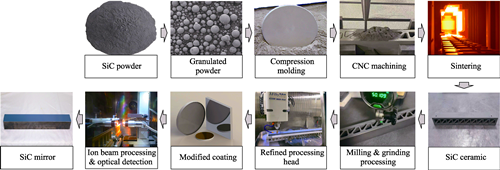
The rapid development of advanced light source technologies, such as synchrotron radiation and X-ray free electron lasers, especially for high-energy and high-brightness X-ray facilities, has become one of the key factors restricting the further improvement of beamline performance. When high-energy beams are irradiated onto the surface of mirrors, the absorption of such energy can cause radiation damage and thermal deformation of the mirrors. This study provides an in-depth exploration of various aspects, including the structural design of mirrors, material selection, performance simulation, prototype fabrication, optical processing, and performance testing. By combining solid-state sintering with precision optical processing technology, a silicon carbide (SiC) planar mirror with high optical properties was developed. The influence of different materials on the thermal deformation of the reflective mirror surface, as well as the impact of surface shape accuracy and roughness control on the optical surface quality of the reflective mirror, was discussed. The research shows that under an absorbed power of 200 W, the modified SiC mirror exhibits approximately 25% reduction in normal deformation along the meridional direction compared to conventional single-crystal silicon mirrors. After optical processing, the peak to valley (PV) value of its mirror surface reaches 24.294 nm, the root mean square (RMS) value reaches 1.680 nm, the surface roughness RMS reaches 0.168 nm, and the gas release rate is 2.40×10⁻⁷ Pa∙L/(s∙cm2). These results meet the requirements for ultra-smooth mirrors in advanced light source facilities, demonstrating the potential of high-performance silicon carbide ceramics as an ideal choice for next-generation mirror applications, instead of single-crystal silicon.
|
|
|
Bifunctional Oxygen Electrocatalytic Performance of Atomically Dispersed Fe Anchored on N-doped Graphene
WANG Jiahui, LIU Jingjing, QIU Yi, WANG Yongxia, CUI Xiangzhi
2026 Vol. 41 (6): 814–822
Abstract(
505 )
HTML(
10)
PDF(6005KB)(
275
)
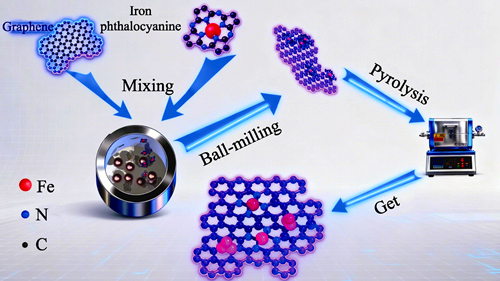
With the growing demand for efficient and environmental-friendly energy storage systems, zinc-air batteries have emerged as highly promising energy storage devices due to their high energy density, low cost, and environmental friendliness. The oxygen reduction reaction (ORR) and oxygen evolution reaction (OER), which suffer from sluggish kinetics, are critical factors limiting battery performance. Therefore, the development of high-performance and low-cost bifunctional oxygen electrocatalysts is of great significance. In this work, Fe single atoms/clusters anchored graphene hybrid catalysts (Fe-N/Gra) were prepared via a ball-milling assisted pyrolysis method. A series of Fe-N/Gra catalysts were obtained by adjusting the mass ratio of the metal phthalocyanine precursor to graphene, and their bifunctional oxygen electrocatalytic performances were systematically investigated. The results demonstrate that the loading amount of different metal phthalocyanine precursors exerts a significant influence on the catalytic performance of the catalysts. When the loading amount of iron phthalocyanine was 0.02 g, the resulting Fe-N/Gra-0.02 catalyst exhibited the optimal bifunctional catalytic activity for ORR and OER. The ORR half-wave potential reached as high as 0.911 V, and the OER overpotential was 610 mV at a current density of 10 mA·cm-2. The rechargeable zinc-air batteries assembled with this catalyst as the air electrode achieved a maximum power density of 315 mW·cm-2 and could sustain stable discharge for 210 h at 10 mA·cm-2. The excellent bifunctional oxygen catalytic activity of Fe-N/Gra-0.02 is mainly attributed to the atomically dispersed Fe-Nx active sites and the high electrical conductivity of graphene support. In addition, the agglomeration of active sites in the catalysts with excessive loading amounts is detrimental to the manifestation of their high-efficiency catalytic activity. This work provides an experimental basis for the controllable preparation of high-performance non-noble metal bifunctional oxygen catalysts and their practical applications in rechargeable zinc-air batteries.
|
|
|
Long-cycling Aqueous Zinc-iodine Batteries with Uniform Zinc Deposition Regulated by Crystal Planes of Copper Current Collector
QIAO Junyi, LI Tao, DONG Xinji, YANG Hange, LIN Tianquan
2026 Vol. 41 (6): 823–830
Abstract(
396 )
HTML(
5)
PDF(14295KB)(
322
)
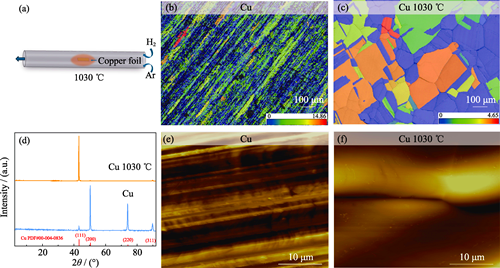
Aqueous zinc-ion batteries hold considerable promise for grid-scale energy storage, capitalizing on their intrinsic safety and low cost. However, the practical deployment of these batteries is severely hampered by the uncontrollable growth of zinc dendrites on the anode during repeated plating/stripping cycles. As the substrate for zinc deposition, the interfacial properties of the current collector have a decisive impact on the zinc deposition behavior. Herein, a facile high-temperature annealing strategy to modulate the microstructure of a commercial copper current collector is reported. This reconstruction profoundly influences the zinc deposition mechanism and electrochemical performance. The results demonstrate that annealing treatment induces significant crystallographic reconstruction of the copper current collector, resulting in a preferred orientation dominated by the Cu(111) crystal plane and effectively reducing the dislocation density and surface defects. Theoretical calculations reveal that the Cu(111) facet provides both a low diffusion barrier for zinc adatoms and the lowest interfacial energy with the Zn(002) plane. This synergistic thermodynamic and kinetic regulation promotes uniform and epitaxial zinc deposition, effectively suppressing dendrite formation and guiding the preferential growth of a (002)-textured zinc layer. Consequently, the modified current collector achieves exceptional plating/stripping reversibility, supporting a prolonged cycle life of over 4000 cycles with an average Coulombic efficiency of 99.9%. When applied to the aqueous zinc-iodine full battery with a zinc-free anode, it maintains a capacity retention rate of over 82% after 700 cycles at a current density of 3 A·g−1. This work provides fundamental insights and a practical strategy for the design of high-performance current collectors through crystallographic and interfacial engineering.
|
|
|
Highly Efficient EMI Shielding via 3D-printed CNT/SiC-SiO2 Architectures
WANG Mengmeng, TIAN Li, ZHANG Junmin, LI Qinggang, YANG Jinshan, DONG Shaoming
2026 Vol. 41 (6): 831–838
Abstract(
838 )
HTML(
4)
PDF(9359KB)(
1912
)
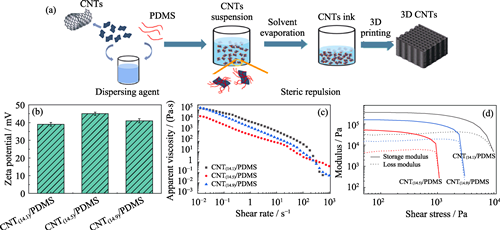
The development of lightweight, mechanically robust, and high-performance electromagnetic interference (EMI) shielding materials is critical for next-generation electronic and communication systems. In this study, we report the design and fabrication of a 3D-printed carbon nanotube/polydimethylsiloxane (CNT/PDMS) composite with tunable composition and hierarchical architecture. The resulting composite exhibits exceptional mechanical resilience, supporting loads up to 250 times its own weight and recovering fully after experiencing 40% strain. During pyrolysis in an inert atmosphere, the PDMS matrix decomposes and transforms into a SiC-SiO2 ceramic phase that encapsulates the CNT network, thereby forming a hierarchically porous, multi-phase architecture. Notably, the CNT/SiC-SiO2 composite demonstrates outstanding EMI shielding effectiveness (SE) of 62.0 dB in the X-band (8-12 GHz), primarily attributed to absorption (SEA=59.91 dB). This elevated absorption capability arises from synergistic effects including improved impedance matching, conduction loss, interfacial/dipole polarization, and multiple internal reflections within the hierarchically porous, multi-interface architecture. The “absorption- reflection-reabsorption” mechanism enables near-complete attenuation of incident electromagnetic waves. This work presents a scalable, 3D-printing-enabled strategy for fabricating multifunctional carbon-ceramic composites with superior EMI shielding performance, which can meet the requirement of aerospace, wearable electronics, and military applications.
|
|
|
Enhanced ROS Scavenging Property of Polyoxometalates by Manganese Doping for Cytoprotection
QU Boxuan, TAN Ji, CHEN Shuhan, LIU Xuanyong
2026 Vol. 41 (6): 839–846
Abstract(
339 )
HTML(
6)
PDF(7920KB)(
298
)
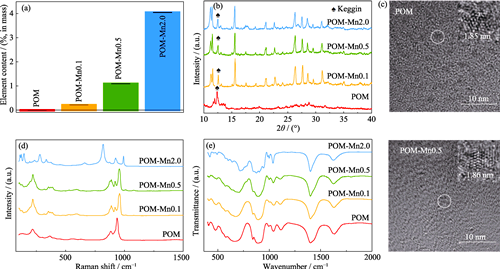
Excessive accumulation of reactive oxygen species (ROS) can trigger oxidative stress in cells, ultimately leading to cell death. Nanozymes, a class of nanomaterials with enzyme-like catalytic activity, are capable of scavenging ROS and protecting cells from oxidative damage. Polyoxometalates (POMs), known for their favorable redox properties and biocompatibility, have been considered as potential nanozyme candidates. However, their relatively low catalytic activity has hindered their practical applications. In this study, an isomorphic doping strategy with manganese (Mn) was employed to effectively enhance the enzyme-like activity of Keggin-type POMs ([PMo12O40]3-). It was found that appropriate Mn doping significantly improved both the catalase-like (CAT-like) and superoxide dismutase-like (SOD-like) activities of the POMs, thereby enhancing its ability to eliminate excessive ROS and protect cells from oxidative stress-induced damage. The relationships among Mn doping levels, POMs structure, and catalytic activity were systematically investigated. The results suggest that the synergistic electronic interaction between Mn and Mo-O framework plays a crucial role in enhancing the CAT-like activity of the material. This work provides a preliminary exploration of design strategies for POMs-based nanozymes and offers scientific insights for the development of antioxidant nanozymes.
|
|
|
Physical Trend for Critical Temperature in Bi2Sr2CaCu2O8 High-temperature Superconductors
SHI Xun
2026 Vol. 41 (6): 847–848
Abstract(
448 )
HTML(
11)
PDF(329KB)(
189
)
Superconductivity is extremely interesting and important in condensed matter physics and material science. Currently, many types of materials exhibit superconductivity with a critical temperature (TC) located in a large range under normal pressure. Compared with the successful Bardeen-Cooper-Schrieffer (BCS) theory for low-TC metals, there are no effective model and theory for high-temperature superconductors. In this work, taking Y-doped Bi2Sr2CaCu2O8 as an example, a power law relationship is obtained for TC and hole concentration. A large hole concentration is beneficial to realize a high TC. This work provides useful guidance for the future discovery of high TC superconductors.
|
|