无机材料学报 ›› 2026, Vol. 41 ›› Issue (8): 1021-1035.DOI: 10.15541/jim20250411
• 综述 • 下一篇
马稚童1( ), 李众少1, 曹逊1,2()
收稿日期:2025-10-21
修回日期:2026-02-03
出版日期:2026-08-20
网络出版日期:2026-02-05
通讯作者:
曹 逊, 研究员. E-mail: cxun@mail.sic.ac.cn作者简介:马稚童(2002-), 女, 硕士研究生. E-mail: mazhitong24@mails.ucas.ac.cn
基金资助:
MA Zhitong1(), LI Zhongshao1, CAO Xun1,2()
Received:2025-10-21
Revised:2026-02-03
Published:2026-08-20
Online:2026-02-05
Contact:
CAO Xun, professor. E-mail: cxun@mail.sic.ac.cnAbout author:MA Zhitong (2002-), female, Master candidate. E-mail: mazhitong24@mails.ucas.ac.cn
Supported by:摘要:
在快速发展的社会背景下, 能源消耗问题日益凸显。其中, 热能作为能源利用的主要形式, 约占全球总能耗的51%。因此, 开发低能耗甚至零能耗的高效热管理技术已成为亟需解决的关键课题。作为一种新兴策略, 动态辐射热管理(Dynamic Radiative Thermal Management, DRTM)技术凭借其调控材料光谱辐射特性的独特优势, 能够随外界环境变化实现实时精准的温度控制, 从而提升能源利用效率并改善热舒适性。鉴于现有综述分类难以全面反映DRTM技术发展的多样性, 本文系统梳理了DRTM的基本原理, 并提出了一个全新视角, 将相关研究划分为外部驱动型调控、材料自适应调控以及代表未来发展趋势的材料-结构协同优化设计三类。在此基础上, 本文系统阐述了三类技术的工作原理、研究进展以及代表性材料, 重点比较了其太阳光吸收率、中远红外发射率调制以及工作模式切换能力等关键性能指标, 进一步讨论了不同触发信号下协同优化设计在调制能力和工作范围等方面展现出的巨大潜力, 从而为未来不同应用场景下的技术路线选择提供系统性参考。从更宏观的角度看, DRTM有望成为连接人居环境、能源系统与智能材料协同演化的关键技术路径。
中图分类号:
马稚童, 李众少, 曹逊. 动态辐射热管理技术: 从原理、材料到协同优化设计[J]. 无机材料学报, 2026, 41(8): 1021-1035.
MA Zhitong, LI Zhongshao, CAO Xun. Dynamic Radiative Thermal Management Technologies: From Principles and Materials to Synergistic Optimization of Materials and Structures[J]. Journal of Inorganic Materials, 2026, 41(8): 1021-1035.
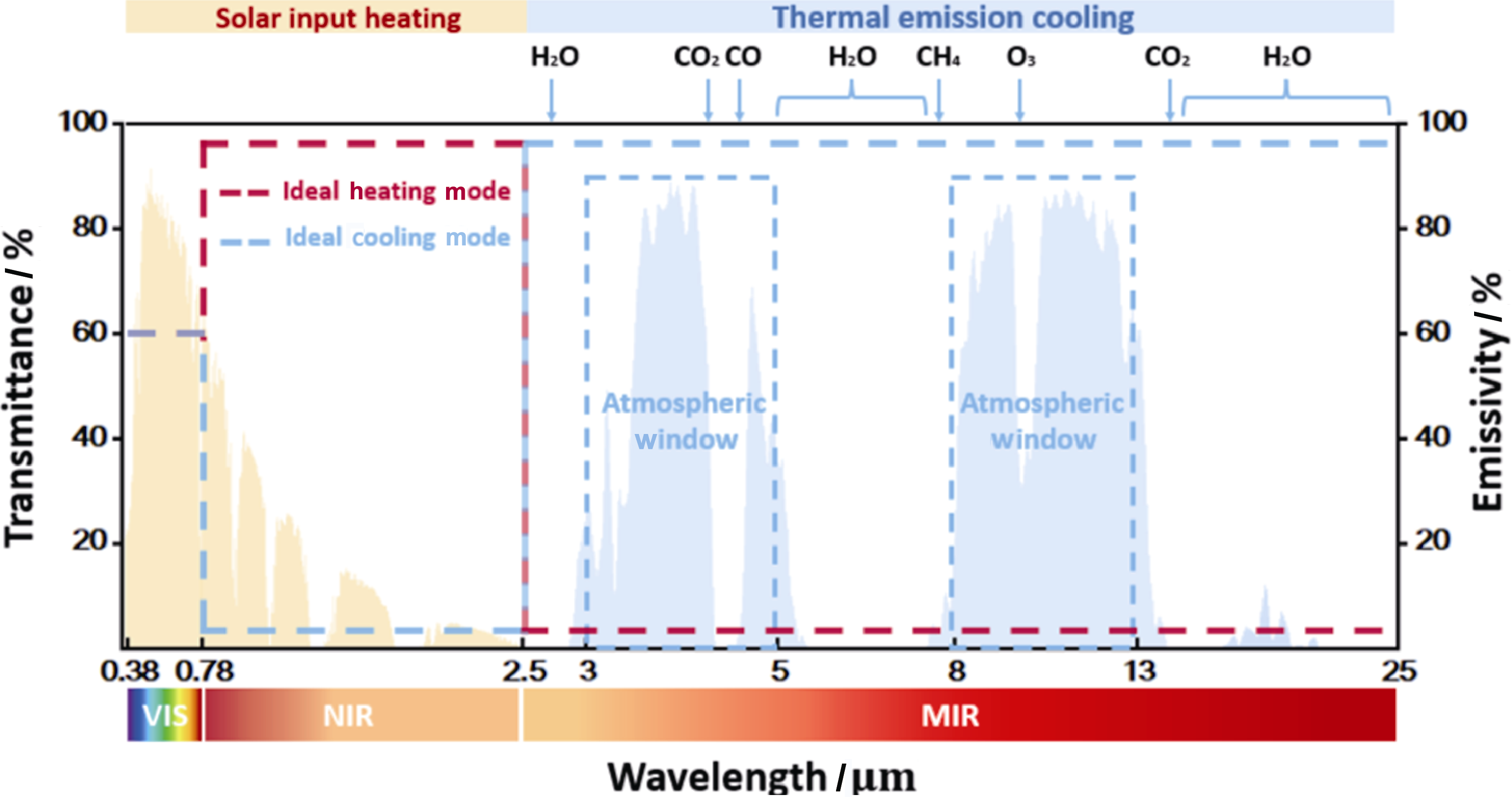
图1 动态辐射热管理的理想光谱和原理示意图
Fig. 1 Ideal spectrum and schematic for dynamic radiative thermal management
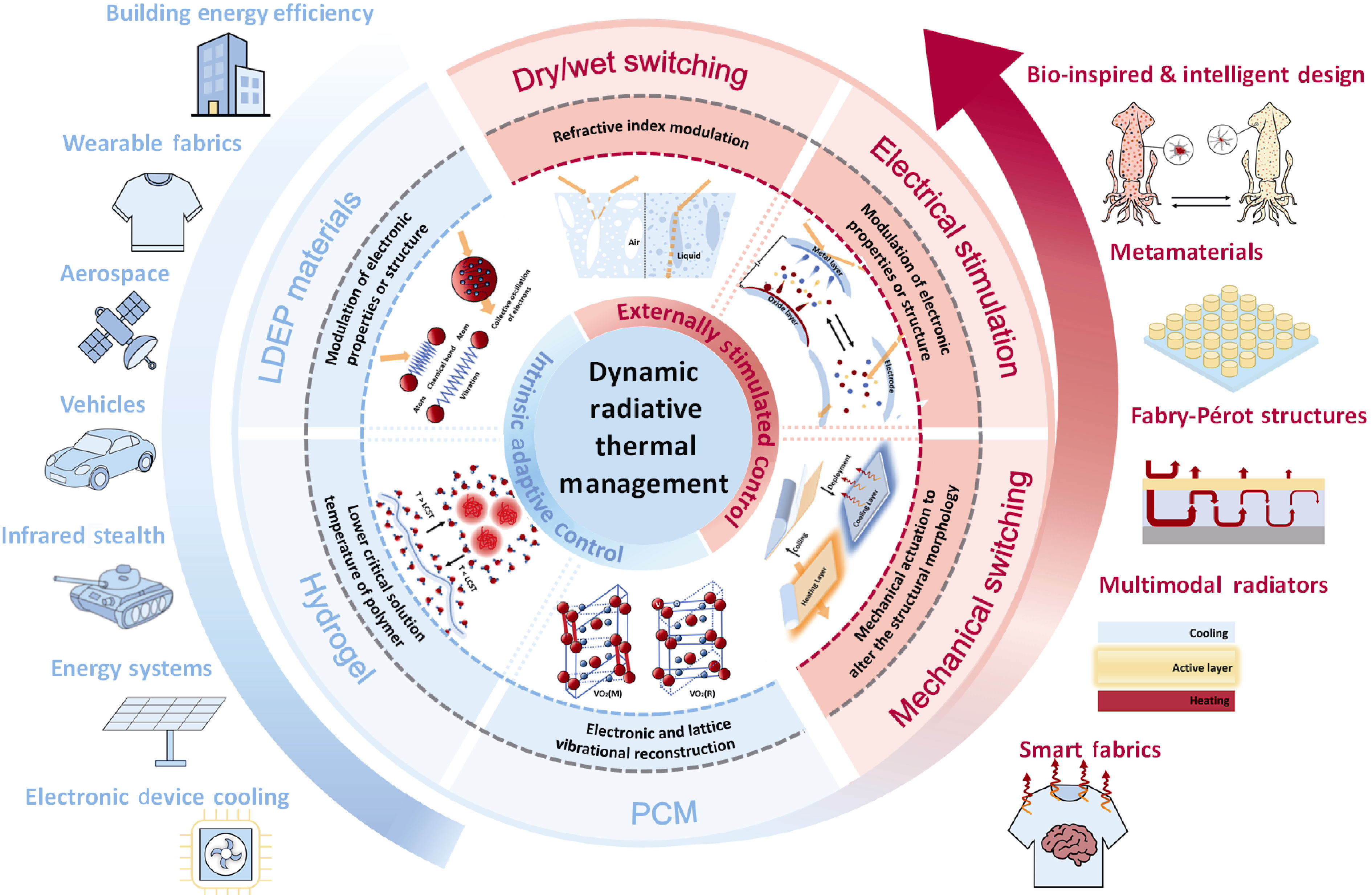
图2 动态辐射热管理分类、应用和未来发展[9-12]
Fig. 2 Classification, applications, and future trends of DRTM[9-12] Three DRTM categories are shown: externally stimulated control, intrinsic adaptive control, and synergistic optimization of materials and structures; The third builds on the first two by coupling tunable material responses with structural design (adapted from references)
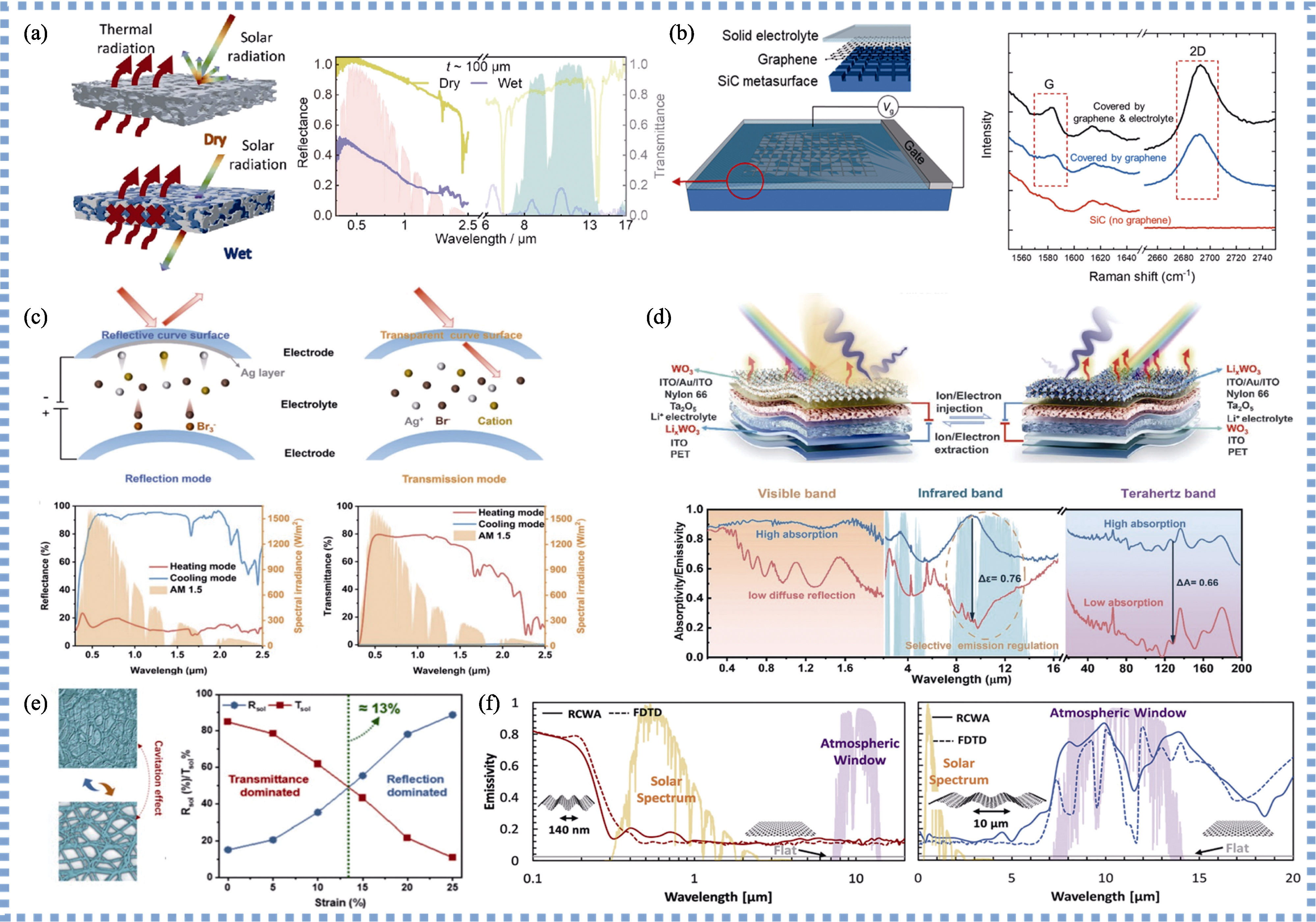
图3 外部驱动型调控[9,14,16,21,29 -30]
Fig. 3 Externally stimulated control[9,14,16,21,29 -30] (a) Schematic of a structured PE film and its reflectance and transmittance spectra in both dry and wet states[14]; (b) Schematic of a tunable graphene-SiC metasurface and the Raman spectra of graphene in different states[16]; (c) Working principle of a reversible metal electrodeposition device[9]; (d) Working principle and actual multispectral modulation performance of a flexible device[21]; (e) Schematic of a mechanosensitive stacking structure and its transmittance and reflectance spectra under different strains[29]; (f) Selective emission spectra of crumpled graphene with different crumpling pitches[30]
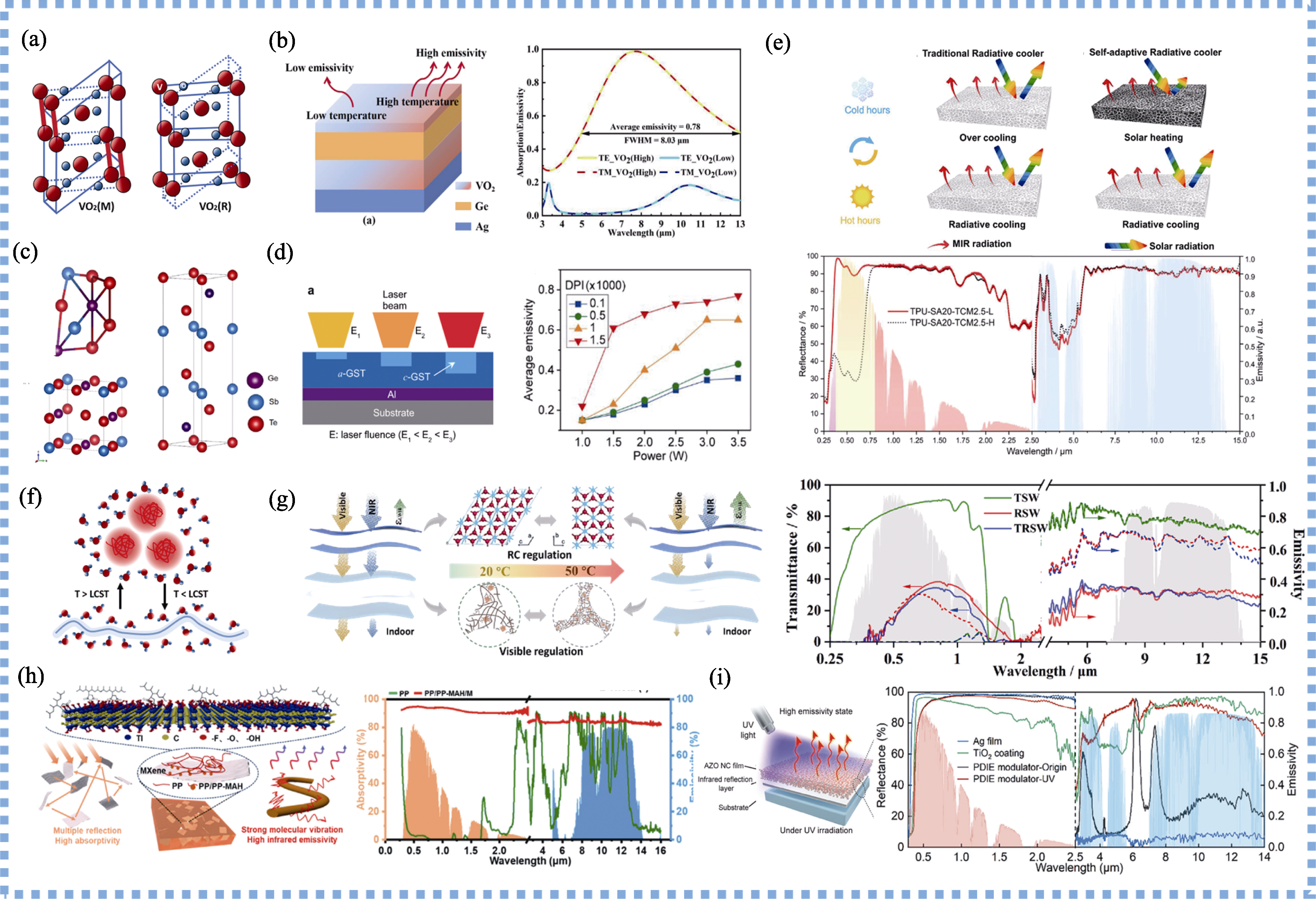
图4 材料自适应调控[10,35 -36,42,48,56,60,65 -66]
Fig. 4 Intrinsically adaptive control[10,35 -36,42,48,56,60,65 -66] (a) Crystal structures of VO2 in its metallic and insulating phases, with vanadium atoms shown as red spheres and oxygen atoms as blue spheres[35]; (b) Structure of an Ag/Ge/VO2 multilayer film and its absorption spectra at high and low temperatures[36]; (c) Amorphous, metastable, and stable crystalline structures of GST[42]; (d) Laser-induced dynamic emissivity control and the structure’s emissivity spectra[48]; (e) Color and temperature-adaptive film’s emissivity and reflectance spectra[56]; (f) Schematic of the reversible solid-liquid phase transition of a hydrogel in water[10]; (g) Mechanism of integrated thermochromic and radiative cooling technologies before and after the phase transition[60]; (h) Schematic and spectrum of MXene-modified PP nanocomposites[65]; (i) Working principle and emissivity modulation mechanism of a photo-induced dynamic modulator[66]
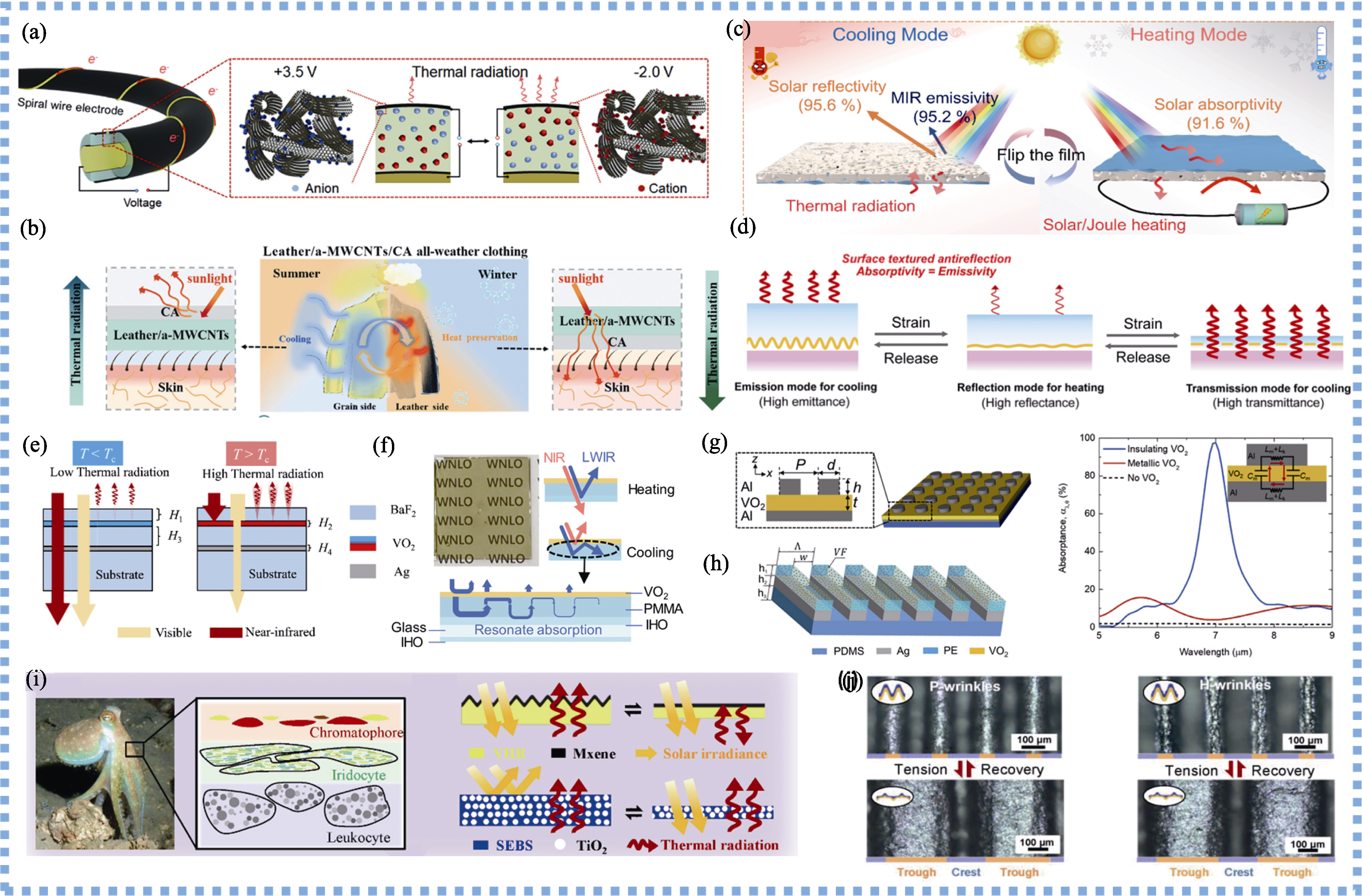
图5 材料和结构协同优化设计[11,72,77,84 -85,90,94,96,103 -104]
Fig. 5 Material-structure synergistic design[11,72,77,84 -85,90,94,96,103 -104] (a) Emissivity control principle of electrochromic fabric fibers[72]; (b) Schematic of the cooling and heating modes of a leather/a-MWCNTs/CA all-weather fabric[77]; (c) Schematic illustrating how mechanical strain reconstructs the material’s microstructure to achieve both cooling and heating[84]; (d) Reversible switching of a film between emission, reflection and transmission modes[85]; (e) Structural diagram of a full-spectrum smart window that combines an F-P cavity with the phase-change properties of VO2[90]; (f) Working principle of a W-VO2-based F-P cavity[11]; (g) Material combining VO2 phase-change material with a submicron aluminum disk array metasurface, along with its absorption spectrum[94]; (h) Schematic of a bilateral photonic metamaterial[96]; (i) Optical image of a cuttlefish and schematic of a composite film inspired by the multi-layer skin of a cephalopod[103]; (j) Optical microscope images of a bio-inspired hierarchical wrinkled structure before and after mechanical actuation[104]
| Category | Material | Synergistic optimization design | Device structure | Ref. | Wavelength/μm | Performance | Advantage | |
|---|---|---|---|---|---|---|---|---|
| Electrical stimulation | Graphene | / | Multilayer graphene modulators | [ | 5-8 8-14 | Δε=13% Δε=4% | Theoretical modeling of graphene thermal modulators | |
| / | Electrochromic device | [ | 0.2-20 | Δα=27% Δε=74% | Flexible ultra-wideband transparent electrode | |||
| Smart fabrics | Electrochromic smart fabrics | [ | 4-15 | Δε=35% | Superior thermal regulation with visual color change | |||
| Metamaterials | Graphene-metal hybrid metasurface | [ | 8-14 | Δε=40% | Novel image encoding for IR encryption and anti-counterfeiting | |||
| Category | Material | Synergistic optimization design | Device structure | Ref. | Wavelength/μm | Performance | Advantage | |
| Mechanical stress | CNTs | / | CNTs on stretchable gel | [ | 0.4-25 | Δε=23% | Flexible broadband spectroscopic device | |
| / | SH/RC device with SWCNTs media | [ | 0.3-20 | Δα=80% ε=90% | Sustained human thermoregulation | |||
| Smart fabrics | Leather/ a-MWCNTs/ CA fabric | [ | 0.3-15 | α=98% ε=90.2% R=92% | Electromagnetic interference shielding effectiveness | |||
| Graphene | / | Crumpled graphene | [ | 0.2-0.3 7-19 | Δε=80% Δε=60% | High modulation contrast | ||
| Smart fabrics | VG/GGEF/PAN | [ | 0.3-20 | ε=92% R=98.4% | Facilitating practical large-area application and industrialization potential | |||
| MXene | / | PP/MXene | [ | 0.3-16 | α=93.2% ε=84.2% | Coupled with commercial thermoelectric for thermoelectric power generation | ||
| Multimodal radiators | BaSO4 BC/MXene | [ | 0.3-15 | α=91.6% ε=95.2% R=95.6% | Suitable for use in outdoor environments with variable weather conditions | |||
| Bio-inspired design | MXene-SEBS/TiO2 | [ | 0.4-14 | ΔR=28% Δε=21% | Novel solar-infrared dual-band thermal regulation design | |||
| Material stacking | / | PTFE film with PDMS infiltration | [ | 0.3-2.5 | τ=86% R=88% | Durability, scalability, and self- cleaning ability | ||
| Smart fabrics | Novel multienergy Janus thermal textile | [ | 0.3-16 | R=60% α=98.5% | Pleasant sweat/moisture permeability and multienergy-coupled heating | |||
| Thermal stimulation | VO2 | / | Ag/Ge/VO2 | [ | 3-13 | Δε=68% | Simulations show that a simple structure is critical for radiative modulation | |
| / | Al2O3/VO2/ Al2O3/Al | [ | 0.3-25 | α>80% ε=75% | It reaches 170 ℃ above ambient in heating mode and 20 ℃ below ambient in cooling mode | |||
| F-P | VO2/Si/Al | [ | 0-20 | R=85% ε=60% | Providing an innovative solution for spacecraft thermal control | |||
| BaF2/VO2/BaF2/ Ag/BaF2 | [ | 0-2.5 8-13 | τ=72.8% ε=83.8% | Simulations proved the application potential and commercial viability of VO2 smart windows | ||||
| Metamaterials | VO2 film/ submicron aluminum disks | [ | 4-8 | αmax=1 | Innovatively utilizing the magnetic polariton resonance modulation mechanism | |||
| VO2/Fe/SiO2 | [ | 3-5 | Δα=68% | Promising applications include advanced solar absorption panels | ||||
| Phase change energy storage material | / | CNTs@PDMS/PCM | [ | 0.3-16 | Δα=60% ε=96% | Maintaining vivid color while preserving thermal functionality | ||
| Multimodal radiators | Ni-Ti memory alloy/PCM | [ | 0.3-17 | R=95% α=92% Δε=92.5% | Saving 68%-90% of annual energy consumption compared to conventional roofs | |||
表1
Table 1 Summary of DRTM materials, performance and advantages[17,19,27,29 -30,36 -37,55,64 -65,72,77 -79,84,86,89 -90,94 -95,97,103]
| Category | Material | Synergistic optimization design | Device structure | Ref. | Wavelength/μm | Performance | Advantage | |
|---|---|---|---|---|---|---|---|---|
| Electrical stimulation | Graphene | / | Multilayer graphene modulators | [ | 5-8 8-14 | Δε=13% Δε=4% | Theoretical modeling of graphene thermal modulators | |
| / | Electrochromic device | [ | 0.2-20 | Δα=27% Δε=74% | Flexible ultra-wideband transparent electrode | |||
| Smart fabrics | Electrochromic smart fabrics | [ | 4-15 | Δε=35% | Superior thermal regulation with visual color change | |||
| Metamaterials | Graphene-metal hybrid metasurface | [ | 8-14 | Δε=40% | Novel image encoding for IR encryption and anti-counterfeiting | |||
| Category | Material | Synergistic optimization design | Device structure | Ref. | Wavelength/μm | Performance | Advantage | |
| Mechanical stress | CNTs | / | CNTs on stretchable gel | [ | 0.4-25 | Δε=23% | Flexible broadband spectroscopic device | |
| / | SH/RC device with SWCNTs media | [ | 0.3-20 | Δα=80% ε=90% | Sustained human thermoregulation | |||
| Smart fabrics | Leather/ a-MWCNTs/ CA fabric | [ | 0.3-15 | α=98% ε=90.2% R=92% | Electromagnetic interference shielding effectiveness | |||
| Graphene | / | Crumpled graphene | [ | 0.2-0.3 7-19 | Δε=80% Δε=60% | High modulation contrast | ||
| Smart fabrics | VG/GGEF/PAN | [ | 0.3-20 | ε=92% R=98.4% | Facilitating practical large-area application and industrialization potential | |||
| MXene | / | PP/MXene | [ | 0.3-16 | α=93.2% ε=84.2% | Coupled with commercial thermoelectric for thermoelectric power generation | ||
| Multimodal radiators | BaSO4 BC/MXene | [ | 0.3-15 | α=91.6% ε=95.2% R=95.6% | Suitable for use in outdoor environments with variable weather conditions | |||
| Bio-inspired design | MXene-SEBS/TiO2 | [ | 0.4-14 | ΔR=28% Δε=21% | Novel solar-infrared dual-band thermal regulation design | |||
| Material stacking | / | PTFE film with PDMS infiltration | [ | 0.3-2.5 | τ=86% R=88% | Durability, scalability, and self- cleaning ability | ||
| Smart fabrics | Novel multienergy Janus thermal textile | [ | 0.3-16 | R=60% α=98.5% | Pleasant sweat/moisture permeability and multienergy-coupled heating | |||
| Thermal stimulation | VO2 | / | Ag/Ge/VO2 | [ | 3-13 | Δε=68% | Simulations show that a simple structure is critical for radiative modulation | |
| / | Al2O3/VO2/ Al2O3/Al | [ | 0.3-25 | α>80% ε=75% | It reaches 170 ℃ above ambient in heating mode and 20 ℃ below ambient in cooling mode | |||
| F-P | VO2/Si/Al | [ | 0-20 | R=85% ε=60% | Providing an innovative solution for spacecraft thermal control | |||
| BaF2/VO2/BaF2/ Ag/BaF2 | [ | 0-2.5 8-13 | τ=72.8% ε=83.8% | Simulations proved the application potential and commercial viability of VO2 smart windows | ||||
| Metamaterials | VO2 film/ submicron aluminum disks | [ | 4-8 | αmax=1 | Innovatively utilizing the magnetic polariton resonance modulation mechanism | |||
| VO2/Fe/SiO2 | [ | 3-5 | Δα=68% | Promising applications include advanced solar absorption panels | ||||
| Phase change energy storage material | / | CNTs@PDMS/PCM | [ | 0.3-16 | Δα=60% ε=96% | Maintaining vivid color while preserving thermal functionality | ||
| Multimodal radiators | Ni-Ti memory alloy/PCM | [ | 0.3-17 | R=95% α=92% Δε=92.5% | Saving 68%-90% of annual energy consumption compared to conventional roofs | |||
| [1] |
YANG L, YAN H Y, LAM J C. Thermal comfort and building energy consumption implications-a review. Applied Energy, 2014, 115: 164.
DOI URL |
| [2] | CHEUNG C K, FULLER R J, LUTHER M B. Energy-efficient envelope design for high-rise apartments. Energy and Buildings, 2005, 37(1): 37. |
| [3] | SYNNEFA A, SANTAMOURIS M, AKBARI H. Estimating the effect of using cool coatings on energy loads and thermal comfort in residential buildings in various climatic conditions. Energy and Buildings, 2007, 39(11): 1167. |
| [4] |
ULPIANI G, RANZI G, SHAH K W, et al. On the energy modulation of daytime radiative coolers: a review on infrared emissivity dynamic switch against overcooling. Solar Energy, 2020, 209: 278.
DOI URL |
| [5] |
GAO Y F, XU J M, YANG S C, et al. Cool roofs in China: policy review, building simulations, and proof-of-concept experiments. Energy Policy, 2014, 74: 190.
DOI URL |
| [6] | XU X D, GU J X, ZHAO H P, et al. Passive and dynamic phase-change-based radiative cooling in outdoor weather. ACS Applied Materials & Interfaces, 2022, 14(12): 14313. |
| [7] | 程守洙, 江之永. 普通物理学, 第八版. 北京: 高等教育出版社, 2023: 219-225. |
| [8] | QIN B, ZHU H Z, ZHU R X, et al. Space-to-ground infrared camouflage with radiative heat dissipation. Light: Science & Applications, 2025, 14: 137. |
| [9] | ZHAO X Y, SHENG M F, TANG H J, et al. A flexible electrochromic device for all-season thermal regulation on curved transparent building envelopes. ACS Applied Materials & Interfaces, 2024, 16(32): 42481. |
| [10] | DE LA ROSA V R, WOISEL P, HOOGENBOOM R. Supramolecular control over thermoresponsive polymers. Materials Today, 2016, 19(1): 44. |
| [11] |
LI S J, YANG E Q, LI Y Y, et al. Self-adaptive energy-efficient windows with enhanced synergistic regulation of broadband infrared thermal radiation. Nano Energy, 2024, 129: 110023.
DOI URL |
| [12] | AKINOGLU G E, WU S Y, JI Y X, et al. Adaptive radiative thermal management using transparent, flexible Ag nanowire networks. ACS Applied Materials & Interfaces, 2025, 17(2): 3238. |
| [13] | MANDAL J, JIA M X, OVERVIG A, et al. Porous polymers with switchable optical transmittance for optical and thermal regulation. Joule, 2019, 3(12): 3088. |
| [14] | GUO N, YU L, SHI C M, et al. A facile and effective design for dynamic thermal management based on synchronous solar and thermal radiation regulation. Nano Letters, 2024, 24(4): 1447. |
| [15] |
BRAR V W, SHERROTT M C, JANG M S, et al. Electronic modulation of infrared radiation in graphene plasmonic resonators. Nature Communications, 2015, 6: 7032.
DOI PMID |
| [16] | LONG L S, YING X Y, YANG Y, et al. Tuning the infrared absorption of SiC metasurfaces by electrically gating monolayer graphene with solid polymer electrolyte for dynamic radiative thermal management and sensing applications. ACS Applied Nano Materials, 2019, 2(8): 4810. |
| [17] | DING P, WANG P, SU J C, et al. Multilayer graphene-based radiation modulator for adaptive infrared camouflage with thermal management. Journal of Physics D: Applied Physics, 2022, 55(34): 345103. |
| [18] |
WANG J H, LV Y, ZHOU Y P, et al. Electrolyte design for reversible metal electrodeposition-based electrochromic energy- saving devices. APL Energy, 2024, 2: 011501.
DOI URL |
| [19] | RAO Y F, DAI J Y, SUI C X, et al. Ultra-wideband transparent conductive electrode for electrochromic synergistic solar and radiative heat management. ACS Energy Letters, 2021, 6(11): 3906. |
| [20] | LI M Y, LIU D Q, CHENG H F, et al. Manipulating metals for adaptive thermal camouflage. Science Advances, 2020, 6(22): eaba3494. |
| [21] | DING Y L, MEI Z Y, WU X K, et al. Integrated multispectral modulator with efficient radiative cooling for innovative thermal camouflage. Advanced Functional Materials, 2025, 35(30): 2500122. |
| [22] | FENG K, MA Y F, ZHANG L N, et al. Electrically controlled smart window for seasonally adaptive thermal management in buildings. Small, 2025, 21(5): e2407033. |
| [23] | DARRIN A G, OSIANDER R, CHAMPION J, et al. Variable emissivity through MEMS technology. The Seventh Intersociety Conference on Thermal and Thermomechanical Phenomena in Electronic Systems, Las Vegas, 2000: 264. |
| [24] | NAJEEB M F A, PRICE J, WARBURTON D, et al. The variation of radiative heat loss as a function of actuation angle for an isothermal square twist origami radiator. ASME 2024 Heat Transfer Summer Conference, Anaheim, 2024: HT 2024-131111. |
| [25] |
HUISMAN F, SIMSEK E, GALY T, et al. Reversible sequin fabrics as variable emittance surfaces. International Journal of Heat and Mass Transfer, 2022, 183: 122167.
DOI URL |
| [26] | MULFORD R B, JONES M R, IVERSON B D. Dynamic control of radiative surface properties with origami-inspired design. Journal of Heat Transfer, 2016, 138(3): 032701. |
| [27] | NIE X, KRISHNA A, JEONG M, et al. Stretchable selective emitters based on carbon nanotube films for adaptive thermal control. The 18th IEEE Intersociety Conference on Thermal and Thermomechanical Phenomena in Electronic Systems, Las Vegas, 2019: 204. |
| [28] | PYUN K R, JEONG S, YOO M J, et al. Tunable radiative cooling by mechanochromic electrospun micro-nanofiber matrix. Small, 2024, 20(20): 2308572. |
| [29] | LUO R C, SONG B Q, JIAO H X, et al. Mechanosensitive stacking structure with continuous solar controllability for real-time thermal management. Materials Horizons, 2025, 12(7): 2279. |
| [30] | KRISHNA A, KIM J M, LEEM J, et al. Dynamic radiative thermal management by crumpled graphene. The 18th IEEE Intersociety Conference on Thermal and Thermomechanical Phenomena in Electronic Systems, Las Vegas, 2019: 797. |
| [31] | KRISHNA A, KIM J M, LEEM J, et al. Ultraviolet to mid-infrared emissivity control by mechanically reconfigurable graphene. Nano Letters, 2019, 19(8): 5086. |
| [32] | ZHANG Y T, SUN J H, WANG Y F, et al. Radiative cooling hierarchically porous fluoropolymer film by ambient humidity-induced phase separation. Macromolecules, 2025, 58(8): 4309. |
| [33] |
YANG G J, SUN P, ZHU T, et al. Fabrication, microstructure and optical properties of 〈110〉 textured CVD polycrystalline diamond infrared materials. Diamond and Related Materials, 2024, 141: 110600.
DOI URL |
| [34] | LIU K, LEE S, YANG S, et al. Recent progresses on physics and applications of vanadium dioxide. Materials Today, 2018, 21(8): 875. |
| [35] | WEGKAMP D, STÄHLER J. Ultrafast dynamics during the photoinduced phase transition in VO2. Progress in Surface Science, 2015, 90(4): 464. |
| [36] |
LIANG S R, XU F, LI W X, et al. Tunable smart mid infrared thermal control emitter based on phase change material VO2 thin film. Applied Thermal Engineering, 2023, 232: 121074.
DOI URL |
| [37] | AO X Z, LI B W, ZHAO B, et al. Self-adaptive integration of photothermal and radiative cooling for continuous energy harvesting from the sun and outer space. Proceedings of the National Academy of Sciences of the United States of America, 2022, 119(17): e2120557119. |
| [38] |
LONG L S, YE H. Dual-intelligent windows regulating both solar and long-wave radiations dynamically. Solar Energy Materials and Solar Cells, 2017, 169: 145.
DOI URL |
| [39] |
LI X S, LIU M L, ZHANG W S, et al. Smart window with dynamic emissivity regulation for continuous indoor cooling. Applied Surface Science, 2025, 695: 162895.
DOI URL |
| [40] | WU H L, SHANG D, ZHANG H, et al. Phase-transition materials derived photonic metamaterials for passively dynamic solar thermal and coldness harvesting. Heliyon, 2024, 10(2): e23986. |
| [41] |
YAN C Q, WANG Z G, QU J H, et al. Scalable and dynamically passive thermal regulation over solar wavelengths enabled by phase-transition metamaterials. Solar Energy, 2023, 257: 257.
DOI URL |
| [42] | TAO W W, WU Y, ZHAO F F, et al. Research progress in metamaterials and metasurfaces based on the phase change material Ge2Sb2Te5. Optics & Laser Technology, 2024, 177: 111064. |
| [43] |
BURTSEV A A, ELISEEV N N, MIKHALEVSKY V A, et al. Physical properties’ temperature dynamics of GeTe, Ge2Sb2Te5 and Ge2Sb2Se4Te1 phase change materials. Materials Science in Semiconductor Processing, 2022, 150: 106907.
DOI URL |
| [44] | ARYANA K, KIM H J, ISLAM M R, et al. Optical and thermal properties of Ge2Sb2Te5, Sb2Se3, and Sb2S3 for reconfigurable photonic devices. Optical Materials Express, 2023, 13(11): 3277. |
| [45] | DU K K, LI Q, LYU Y B, et al. Control over emissivity of zero-static-power thermal emitters based on phase-changing material GST. Light: Science & Applications, 2017, 6(1): e16194. |
| [46] | KIM Y, KIM C, LEE M. Parallel laser printing of a thermal emission pattern in a phase-change thin film cavity for infrared camouflage and security. Laser & Photonics Reviews, 2022, 16(3): 2100545. |
| [47] | KANG D, KIM Y, KIM C, et al. Highly flexible infrared emitter with spatially controlled emissivity for optical security. Advanced Materials Technologies, 2023, 8(4): 2200808. |
| [48] | KANG D, KIM Y, LEE M. Laser dynamic control of the thermal emissivity of a planar cavity structure based on a phase-change material. ACS Applied Materials & Interfaces, 2024, 16(4): 4925. |
| [49] |
XU G Q, KANG Q L, ZHANG X Z, et al. Inverse-design laser-infrared compatible stealth with thermal management enabled by wavelength-selective thermal emitter. Applied Thermal Engineering, 2024, 255: 124063.
DOI URL |
| [50] | NONG J, LI N, JIANG X P, et al. Multifunctional emitter based on inverse design for infrared stealth, thermal imaging and radiative cooling. Optics Express, 2024, 32(3): 3379. |
| [51] |
AL-YASIRI Q, SZABÓ M. Paraffin as a phase change material to improve building performance: an overview of applications and thermal conductivity enhancement techniques. Renewable Energy and Environmental Sustainability, 2021, 6: 38.
DOI URL |
| [52] | YU Z L, WANG F, HE W Q, et al. Phase-change material-integrated dual-mode thermal management Janus films with enhanced radiative cooling and solar heating. ACS Applied Polymer Materials, 2025, 7(6): 3555. |
| [53] | ZHOU Y C, DUAN R. Leak-proof reversible thermochromic microcapsule phase change materials with high latent thermal storage for thermal management. ACS Applied Energy Materials, 2024, 7(14): 5944. |
| [54] | LIU B X, MAZO A R, GURR P A, et al. Reversible nontoxic thermochromic microcapsules. ACS Applied Materials & Interfaces, 2020, 12(8): 9782. |
| [55] | YIN Y Y, SUN P C, ZENG Y J, et al. A colored temperature-adaptive cloak for year-round building energy saving. Advanced Energy Materials, 2024, 14(37): 2402202. |
| [56] |
HU X, ZHANG Y B, CAI W, et al. Colorful and temperature- adaptive radiative coolers for all-season thermal management applications. Renewable Energy, 2025, 242: 122447.
DOI URL |
| [57] | DESHMUKH S, MOONEY D A, MCDERMOTT T, et al. Molecular modeling of thermo-responsive hydrogels: observation of lower critical solution temperature. Soft Matter, 2009, 5(7): 1514. |
| [58] |
XIN F F, LU Q L, LIU B X, et al. Metal-ion-mediated hydrogels with thermo-responsiveness for smart windows. European Polymer Journal, 2018, 99: 65.
DOI URL |
| [59] | ZHOU Y, DONG X X, MI Y Y, et al. Hydrogel smart windows. Journal of Materials Chemistry A, 2020, 8(20): 10007. |
| [60] |
ZHANG R, LI R Z, XU P, et al. Thermochromic smart window utilizing passive radiative cooling for self-adaptive thermoregulation. Chemical Engineering Journal, 2023, 471: 144527.
DOI URL |
| [61] |
ZHAO B, LU K G, ZHANG W S, et al. Thermo-responsive hydrogel-based building envelopes for building energy-saving. Solar Energy, 2025, 288: 113306.
DOI URL |
| [62] |
HUANG M C, XUE C H, BAI Z X, et al. Bioinspired smart dual-layer hydrogels system with synchronous solar and thermal radiation modulation for energy-saving all-season temperature regulation. Journal of Energy Chemistry, 2025, 101: 175.
DOI URL |
| [63] | ZHONG S J, LU B H, WANG D C, et al. Passive isothermal flexible sensor enabled by smart thermal-regulating aerogels. Advanced Materials, 2025, 37(8): 2415386. |
| [64] |
ZHAO B, HU M K, XUAN Q D, et al. Tunable thermal management based on solar heating and radiative cooling. Solar Energy Materials and Solar Cells, 2022, 235: 111457.
DOI URL |
| [65] | LI X X, ZHANG Z P, ZHANG X T, et al. A polymer nanocomposite with strong full-spectrum solar absorption and infrared emission for all-day thermal energy management and conversion. Advanced Science, 2024, 11(15): 2308200. |
| [66] | JIA Y, LIU D Q, CHEN D S, et al. Realizing sunlight-induced efficiently dynamic infrared emissivity modulation based on aluminum-doped zinc oxide nanocrystals. Advanced Science, 2024, 11(36): 2405962. |
| [67] |
CHEN Y, GAO F, ZHAN X L, et al. Hierarchical textiles with optical design and fiber nanomanufacturing: breakthrough innovation in personal thermal management. Chemical Synthesis, 2025, 5: 21.
DOI |
| [68] | ZHANG X P, WANG F, GUO H Y, et al. Advanced cooling textiles: mechanisms, applications, and perspectives. Advanced Science, 2024, 11(10): 2305228. |
| [69] | BOUTGHATIN M, PENNEC Y, ASSAF S, et al. Dynamic thermoregulatory photonic crystal fabric for personal thermal management. 2021 IEEE Sensors, Sydney, 2021: 1. |
| [70] | ABEBE M G, ROSOLEN G, KHOUSAKOUN E, et al. Dynamic thermal-regulating textiles with metallic fibers based on a switchable transmittance. Physical Review Applied, 2020, 14(4): 044030. |
| [71] | ABEBE M G, CORTE A D, ROSOLEN G, et al. Dual-mode photonic textiles for radiative heat management. Photonics for Solar Energy Systems IX, Strasbourg, 2022: 27-31. |
| [72] | FAN Q C, FAN H W, HAN H Z, et al. Dynamic thermoregulatory textiles woven from scalable-manufactured radiative electrochromic fibers. Advanced Functional Materials, 2024, 34(16): 2310858. |
| [73] | SHI M K, SONG Z F, NI J H, et al. Dual-mode porous polymeric films with coral-like hierarchical structure for all-day radiative cooling and heating. ACS Nano, 2023, 17(3): 2029. |
| [74] | ZHANG Y L, PIAN S J, WANG Z N, et al. Protocol to fabricate colored dual-mode Janus fabric for dynamic thermal management. STAR Protocols, 2025, 6(1): 103683. |
| [75] |
XUE T, CHEN X, WANG C X, et al. Dual-mode cellulose acetate@Al2O3/MWCNTs Janus fabric with radiative cooling and solar heating for personal thermal management. Chemical Engineering Journal, 2024, 500: 156713.
DOI URL |
| [76] |
WANG Y X, SHOU D H, SHANG S M, et al. Development of ZrC/T-shaped ZnO whisker coated dual-mode Janus fabric for thermal management. Solar Energy, 2022, 233: 196.
DOI URL |
| [77] | MO C Q, LEI X J, TANG X L, et al. Nanoengineering natural leather for dynamic thermal management and electromagnetic interference shielding. Small, 2023, 19(42): e2303368. |
| [78] | DU P B, WANG J, ZHAN X W, et al. Asymmetric multienergy-coupled radiative warming textiles for personal thermal-moisture management. ACS Applied Materials & Interfaces, 2023, 15(34): 41180. |
| [79] | YUAN H, LIU R J, CHENG S T, et al. Scalable fabrication of dual-function fabric for zero-energy thermal environmental management through multiband, synergistic, and asymmetric optical modulations. Advanced Materials, 2023, 35(18): 2209897. |
| [80] | LI X S, LIU M L, CHEN K, et al. Adaptive fabric with emissivity regulation for thermal management of humans. Nanophotonics, 2024, 13(17): 3067. |
| [81] | TAO S, HAN J T, XU Y, et al. Mechanically switchable multifunctional device for regulating passive radiative cooling and solar heating. ACS Applied Materials & Interfaces, 2023, 15(13): 17123. |
| [82] |
BAI Y F, JIA X H, YANG J, et al. Three birds with one stone strategy: a tri-modal radiator based on the cooling-compensation-heating effect. Nano Energy, 2024, 127: 109770.
DOI URL |
| [83] | YANG Z B, JIA Y, ZHANG J. Hierarchical-morphology metal/ polymer heterostructure for scalable multimodal thermal management. ACS Applied Materials & Interfaces, 2022, 14(21): 24755. |
| [84] |
DING Y, WU L D, LU X, et al. A sustainable and robust Janus film Inspired by the bird’s nest structure for efficient year-round outdoor thermal management. Chemical Engineering Journal, 2024, 500: 156918.
DOI URL |
| [85] | FANG H M, XIE W R, LI X Q, et al. A triple-mode midinfrared modulator for radiative heat management of objects with various emissivity. Nano Letters, 2021, 21(9): 4106. |
| [86] | YE Q, GUO N, CHEN M J. Reversible solar heating and radiative cooling coupled with latent heat for self-adaptive thermoregulation. Applied Physics Letters, 2025, 126(11): 113903. |
| [87] |
XUAN Q D, YANG N, KAI M F, et al. Combined daytime radiative cooling and solar photovoltaic/thermal hybrid system for year-round energy saving in buildings. Energy, 2024, 304: 132178.
DOI URL |
| [88] |
TAYLOR S, YANG Y, WANG L P. Vanadium dioxide based Fabry-Perot emitter for dynamic radiative cooling applications. Journal of Quantitative Spectroscopy and Radiative Transfer, 2017, 197: 76.
DOI URL |
| [89] | TAYLOR S. Dynamic radiative thermal management and optical force modulation with tunable nanophotonic structures based on thermochromic vanadium dioxide. Tempe: Arizona State University PhD Thesis, 2020. |
| [90] |
HU L C, ZHU H J, LU K, et al. Theoretical investigation of VO2 smart window with large-scale dynamic infrared emittance adjustment for adaptive thermal management. Solar Energy, 2024, 277: 112734.
DOI URL |
| [91] | NAN H F, GUO Z G, YANG T B, et al. Symmetric and asymmetric Fabry-Pérot cavity design for a dual-mode thermal management photonic film with high-purity color. Industrial & Engineering Chemistry Research, 2024, 63(10): 4430. |
| [92] | ZADPOOR A A. Mechanical meta-materials. Materials Horizons, 2016, 3(5): 371. |
| [93] | SUN S, TAN W, WEI S H. Emergent micro- and nanomaterials for optical, infrared, and terahertz applications. Boca Raton: CRC Press, 2022: 179-181. |
| [94] |
LONG L S, TAYLOR S, YING X Y, et al. Thermally-switchable spectrally-selective infrared metamaterial absorber/emitter by tuning magnetic polariton with a phase-change VO2 layer. Materials Today Energy, 2019, 13: 214.
DOI URL |
| [95] |
PARVEEN A, TYAGI D, LAXMI V, et al. Tunable mid-infrared broadband absorption in the atmospheric window of wavelength in 3-5 μm using VO2 phase transition in a three-layer metamaterial. Optical Materials, 2024, 153: 115590.
DOI URL |
| [96] |
LI B Y, ZENG S C. Bilateral passive thermal management for dynamical temperature regulation. Scientific Reports, 2024, 14: 2875.
DOI |
| [97] |
WANG P, SU J C, DING P, et al. Graphene-metal based tunable radiative metasurface for information encryption and anticounterfeiting. Diamond and Related Materials, 2023, 131: 109548.
DOI URL |
| [98] | ZHANG H W, LY K C S, LIU X H, et al. Biologically inspired flexible photonic films for efficient passive radiative cooling. Proceedings of the National Academy of Sciences of the United States of America, 2020, 117(26): 14657. |
| [99] | ARAQUE K, PALACIOS P, MORA D, et al. Biomimicry-based strategies for urban heat island mitigation: a numerical case study under tropical climate. Biomimetics, 2021, 6(3): 48. |
| [100] |
YAN J B, HAN M Y, ZHU L B, et al. Bionic hierarchical metalized thermally responsive dynamic daytime passive radiative cooling nanocomposites. Composites Science and Technology, 2024, 250: 110518.
DOI URL |
| [101] | SUN X R, ALI M, JALALI S, et al. The thermal ‘Buddha Board’-application of microstructured polyolefin films for variable thermal infrared transparency materials. Interface Focus, 2024, 14(3): 20230073. |
| [102] | GUO N, SHI C M, SHELDON B W, et al. A mechanical-optical coupling design on solar and thermal radiation modulation for thermo-regulation. Journal of Materials Chemistry A, 2024, 12(28): 17520. |
| [103] |
ZHAO Y C, FANG F. Cephalopod-inspired MXene-SEBS/TiO2 composite film for synergistic solar and infrared radiative heat management. Surfaces and Interfaces, 2024, 51: 104565.
DOI URL |
| [104] |
ZHAO Y C, FANG F. Bio-inspired hierarchical wrinkles for tunable infrared reflectance. Surfaces and Interfaces, 2024, 45: 103832.
DOI URL |
| [105] |
SU W, DING Z P, LUO Y L, et al. Machine learning-enabled design of metasurface based near-perfect daytime radiative cooler. Solar Energy Materials and Solar Cells, 2023, 260: 112488.
DOI URL |
| [106] | DING Z M, LI X, JI Q X, et al. Machine-learning-assisted design of a robust biomimetic radiative cooling metamaterial. ACS Materials Letters, 2024, 6(6): 2416. |
| [107] | JUNG Y, KO S H. Radiative cooling technology with artificial intelligence. iScience, 2024, 27(12): 111325. |
| [108] |
QIAN C, KAMINER I, CHEN H S. A guidance to intelligent metamaterials and metamaterials intelligence. Nature Communications, 2025, 16: 1154.
DOI |
| [1] | 钟鸿, 张宇豪, 单青松, 胡天鋆, 曾海波. 叠层量子点发光二极管的研究进展[J]. 无机材料学报, 2026, 41(8): 1036-1048. |
| [2] | 司会晨, 梁飞, 于浩海, 张怀金. 黄橙激光晶体材料与全固态激光器件研究进展[J]. 无机材料学报, 2026, 41(8): 1049-1068. |
| [3] | 覃善丽, 郭佳文, 陈燕萌, 聚安安, 韦毅, 黄科林, 侯向华, 吕思师, 文志朋, 吴炼. 二维层状材料构筑电化学储能定向离子传输通道的研究进展[J]. 无机材料学报, 2026, 41(7): 883-898. |
| [4] | 余飞宇, 王文清, 张学勤, 何汝杰. 基于增材制造陶瓷点阵的双相网络互穿复合材料的研究进展与挑战[J]. 无机材料学报, 2026, 41(7): 849-866. |
| [5] | 周翠, 李捷, 孙鲁超, 苏海军, 王京阳. 氧化铝基定向凝固共晶陶瓷的组织特性、调控方法及环境稳定性[J]. 无机材料学报, 2026, 41(7): 899-914. |
| [6] | 费文龙, 王亚坤, 廖良生. 蓝光ZnSeTe量子点的可控制备及其量子点发光二极管器件研究进展[J]. 无机材料学报, 2026, 41(7): 867-882. |
| [7] | 陈明俊, 缪洪康, 肖英俊, 邓建波, 张翔, 赵九蓬, 李垚. 光-热双响应材料研究进展: 从设计策略到智能窗应用[J]. 无机材料学报, 2026, 41(6): 723-738. |
| [8] | 宋坤洁, 解荣军. 机器学习驱动新型发光材料的研究进展[J]. 无机材料学报, 2026, 41(6): 689-703. |
| [9] | 胡钰晴, 朱一新, 乐先浩, 万青. 钽酸锂晶圆减薄技术及其热释电红外探测器应用进展[J]. 无机材料学报, 2026, 41(6): 764-774. |
| [10] | 刘春帆, 陈科, 葛芳芳, 黄庆. 核用耐铅铋腐蚀涂层的研究进展[J]. 无机材料学报, 2026, 41(6): 775-786. |
| [11] | 胡扬, 谢敏, 张筱怡, 李想, 郭新伟, 姜南, 周文瀚, 张胜利, 曾海波. 计算与数据驱动环保型发光材料的研究进展[J]. 无机材料学报, 2026, 41(6): 704-722. |
| [12] | 王俊卜, 黄泽皑, 杨茗凯, 蒙颖, 周明炜, 周莹. 甲烷转化用抗积碳催化材料研究进展[J]. 无机材料学报, 2026, 41(6): 739-750. |
| [13] | 王金文, 杨振, 周欢, 夏丹, 杨磊. 可注射无机材料及其生物医学应用[J]. 无机材料学报, 2026, 41(6): 751-763. |
| [14] | 李涵涛, 沈强, 罗国强, 王雪飞, 高明, 陈晨. 机械球磨法调控硅基负极材料结构与性能的研究进展[J]. 无机材料学报, 2026, 41(5): 561-572. |
| [15] | 解陈一, 缪花明, 张蔚然, 刘荣军, 王衍飞, 李端. 理论计算在高熵陶瓷领域的研究进展[J]. 无机材料学报, 2026, 41(5): 545-560. |
| 阅读次数 | ||||||
|
全文 |
|
|||||
|
摘要 |
|
|||||