
Journal of Inorganic Materials ›› 2026, Vol. 41 ›› Issue (1): 87-95.DOI: 10.15541/jim20250044
• RESEARCH ARTICLE • Previous Articles Next Articles
WU Boyu1( ), ZHANG Shengen1,2(), ZHANG Shengyang1, LIU Bo1, ZHANG Bolin1,2()
Received:2025-02-05
Revised:2025-04-13
Published:2026-01-20
Online:2025-06-05
Contact:
ZHANG Genshen, professor. E-mail: zhangshengen@ncu.edu.cn;About author:WU Boyu (1997-), male, PhD candidate. E-mail: wuboyu@aol.com
Supported by:CLC Number:
WU Boyu, ZHANG Shengen, ZHANG Shengyang, LIU Bo, ZHANG Bolin. Effect of CeO2 on Low-temperature Denitrification Performance of MnOx Catalysts and Its Mechanism[J]. Journal of Inorganic Materials, 2026, 41(1): 87-95.
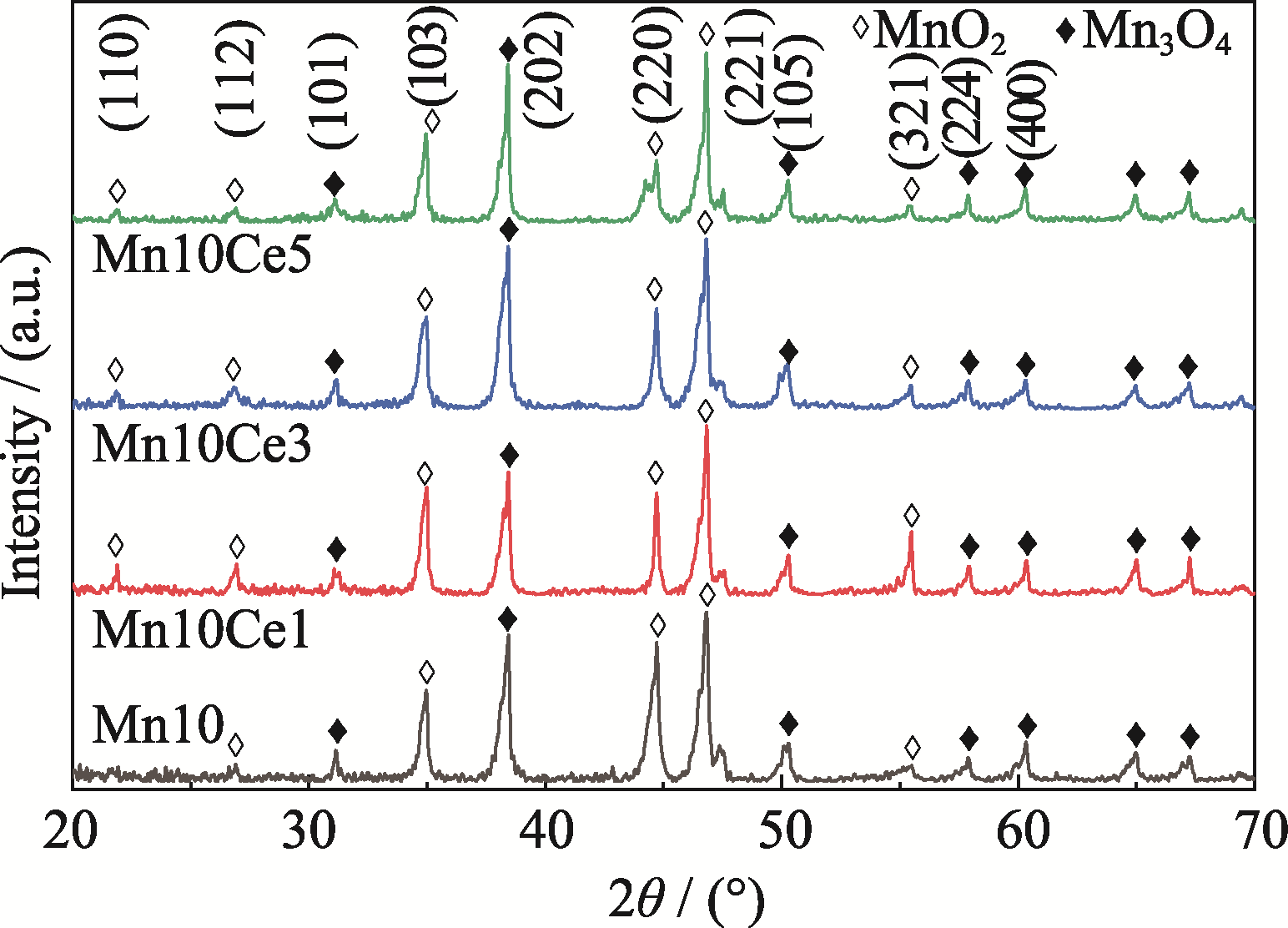
Fig. 1 XRD patterns of the prepared catalysts
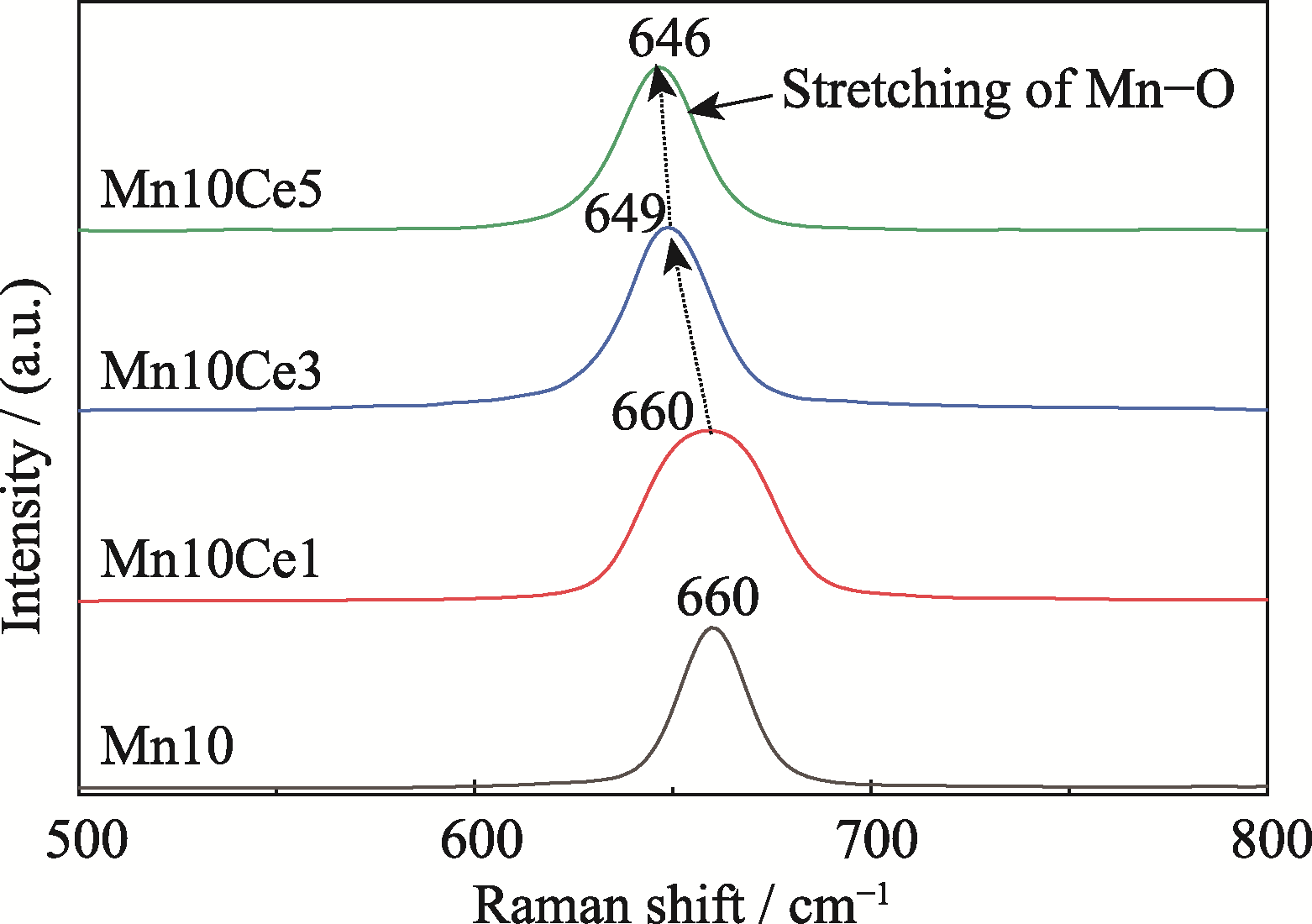
Fig. 2 Raman spectra of the prepared catalysts
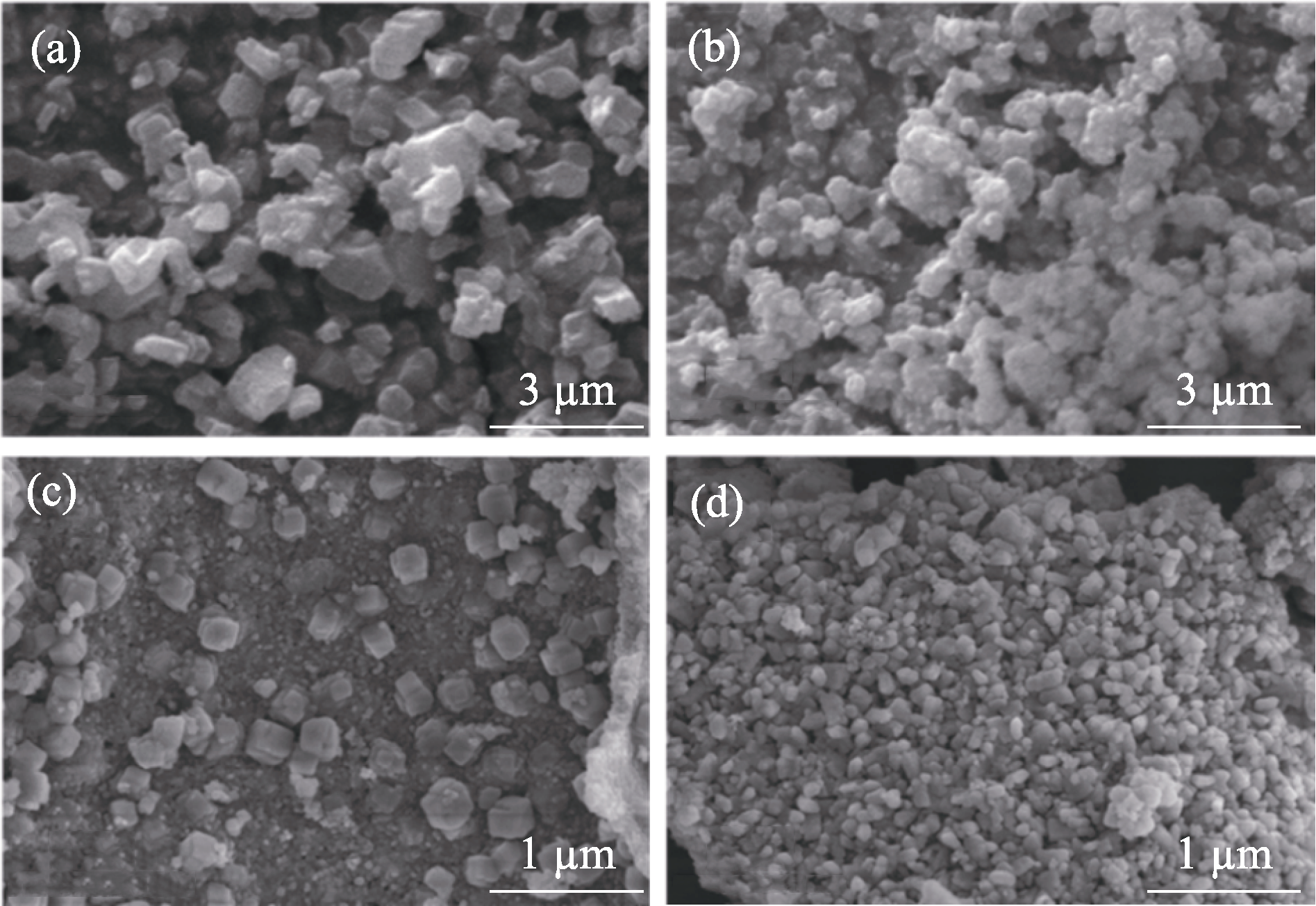
Fig. 3 SEM images of (a) Mn10, (b) Mn10Ce1, (c) Mn10Ce3, and (d) Mn10Ce5 catalysts
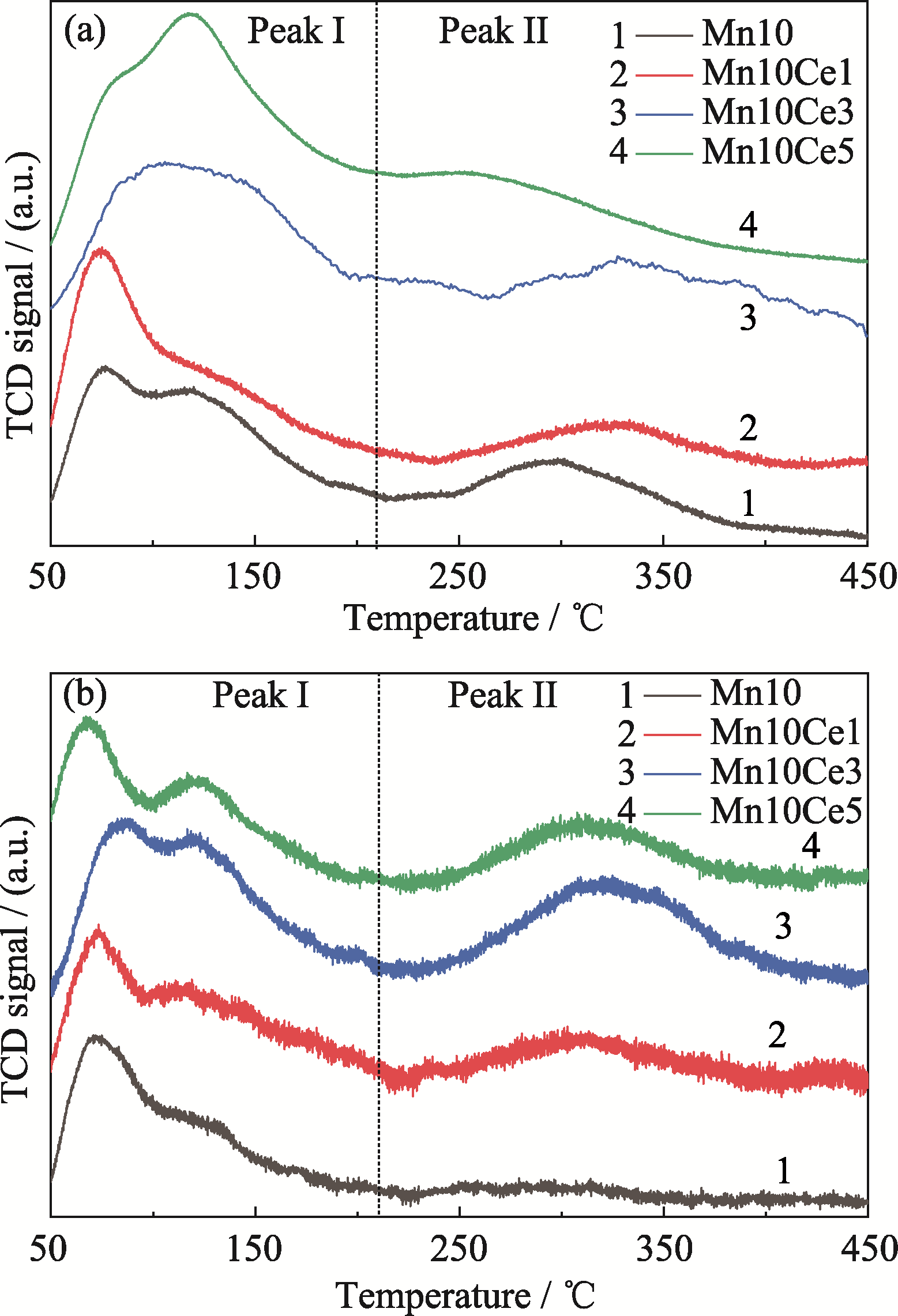
Fig. 4 (a) NH3-TPD and (b) NO-TPD profiles of the prepared catalysts
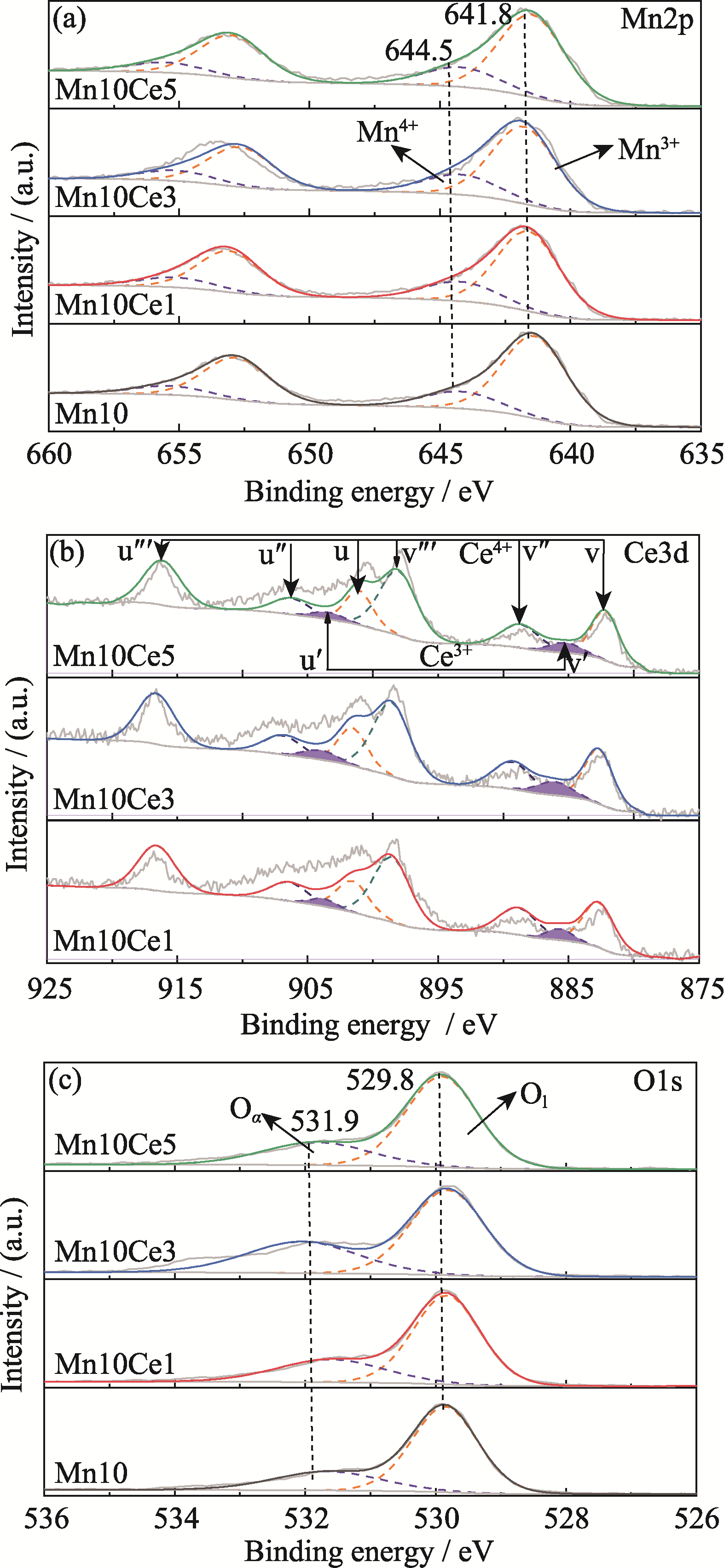
Fig. 5 High-resolution XPS spectra of (a) Mn2p, (b) Ce3d and (c) O1s of the prepared catalysts
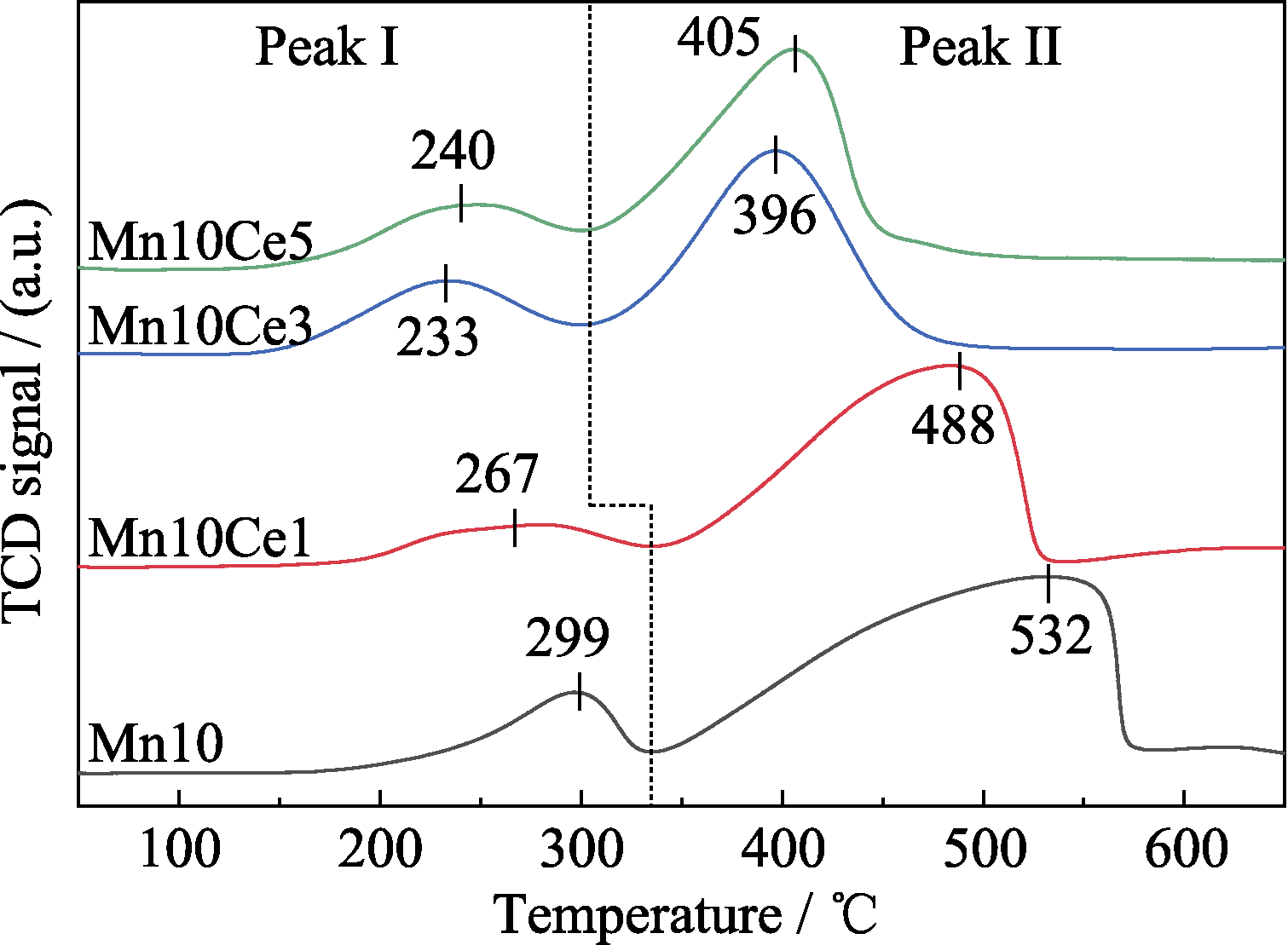
Fig. 6 H2-TPR profiles of the prepared catalysts
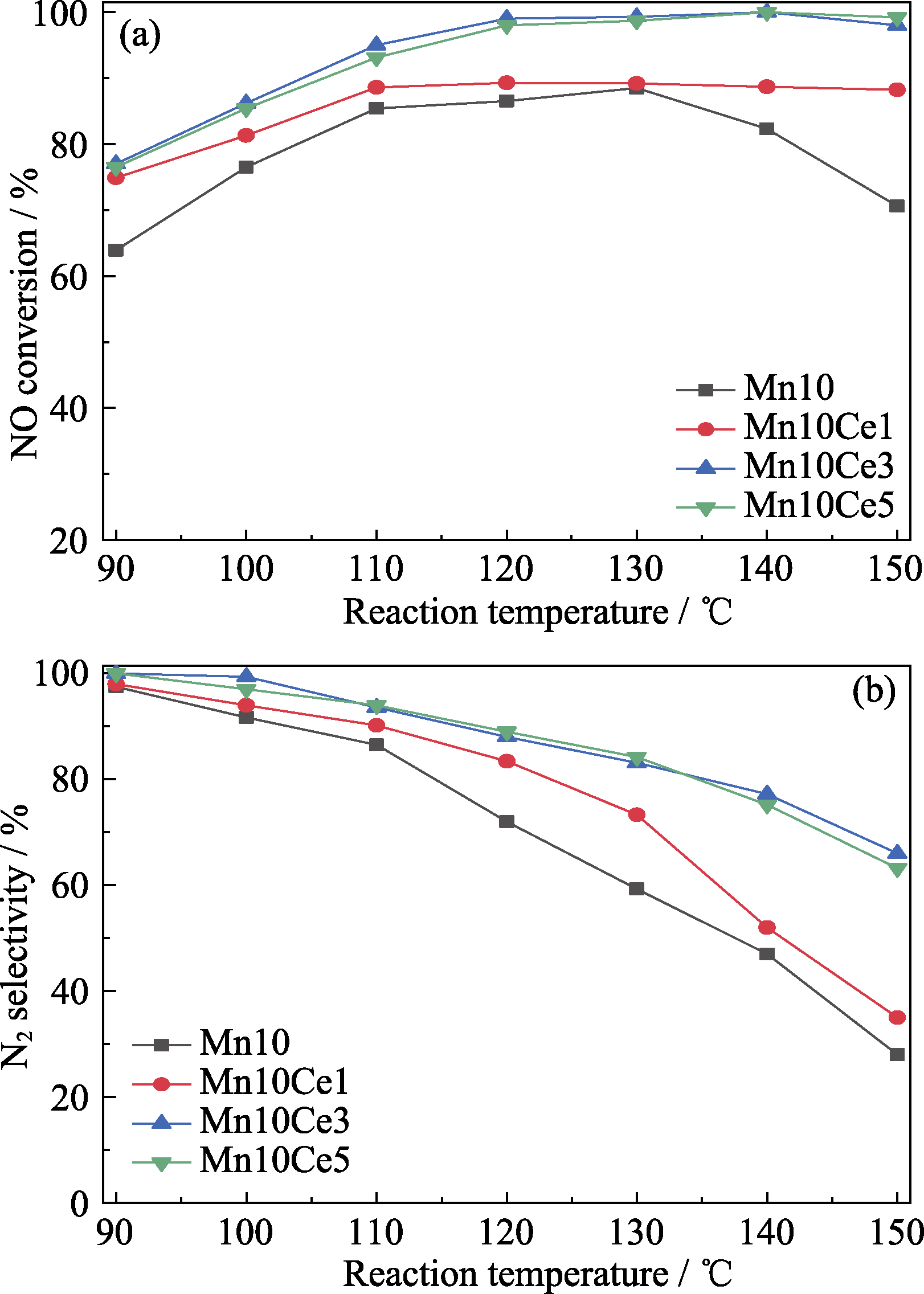
Fig. 7 (a) NO conversion and (b) N2 selectivity of the prepared catalysts in the range of 90-150 ℃
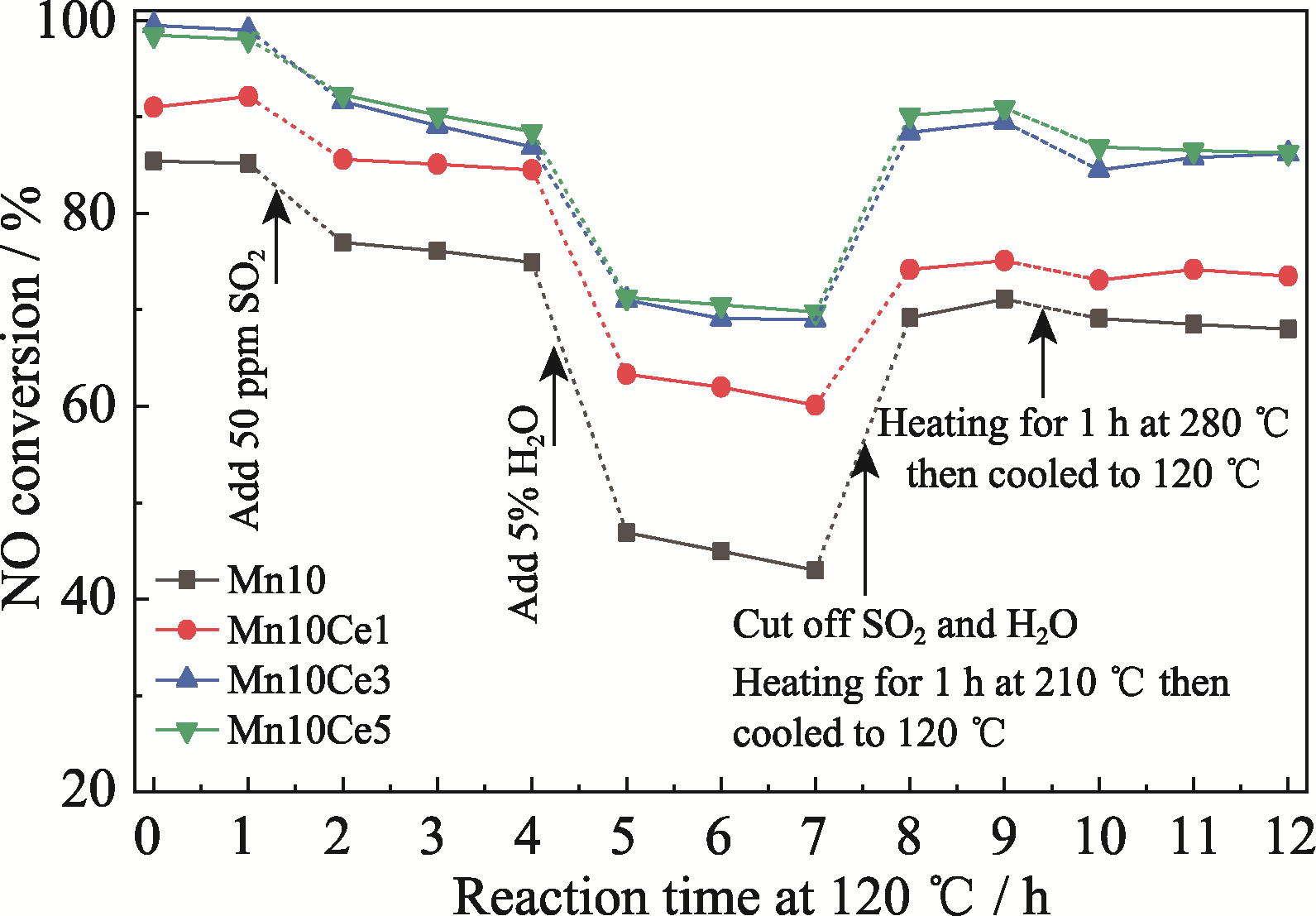
Fig. 8 SO2 and H2O resistance of the prepared catalysts at 120 ℃
| Site | NH3@Ol | NH3@Oα |
|---|---|---|
| 1 | -1.28 eV | -1.61 eV |
| 2 | -1.53 eV | -1.97 eV |
| 3 | -1.60 eV | -2.06 eV |
| 4 | -1.10 eV | -1.84 eV |
Table 1 NH3 adsorption energies at different sites on CeO2/MnO2 surface
| Site | NH3@Ol | NH3@Oα |
|---|---|---|
| 1 | -1.28 eV | -1.61 eV |
| 2 | -1.53 eV | -1.97 eV |
| 3 | -1.60 eV | -2.06 eV |
| 4 | -1.10 eV | -1.84 eV |
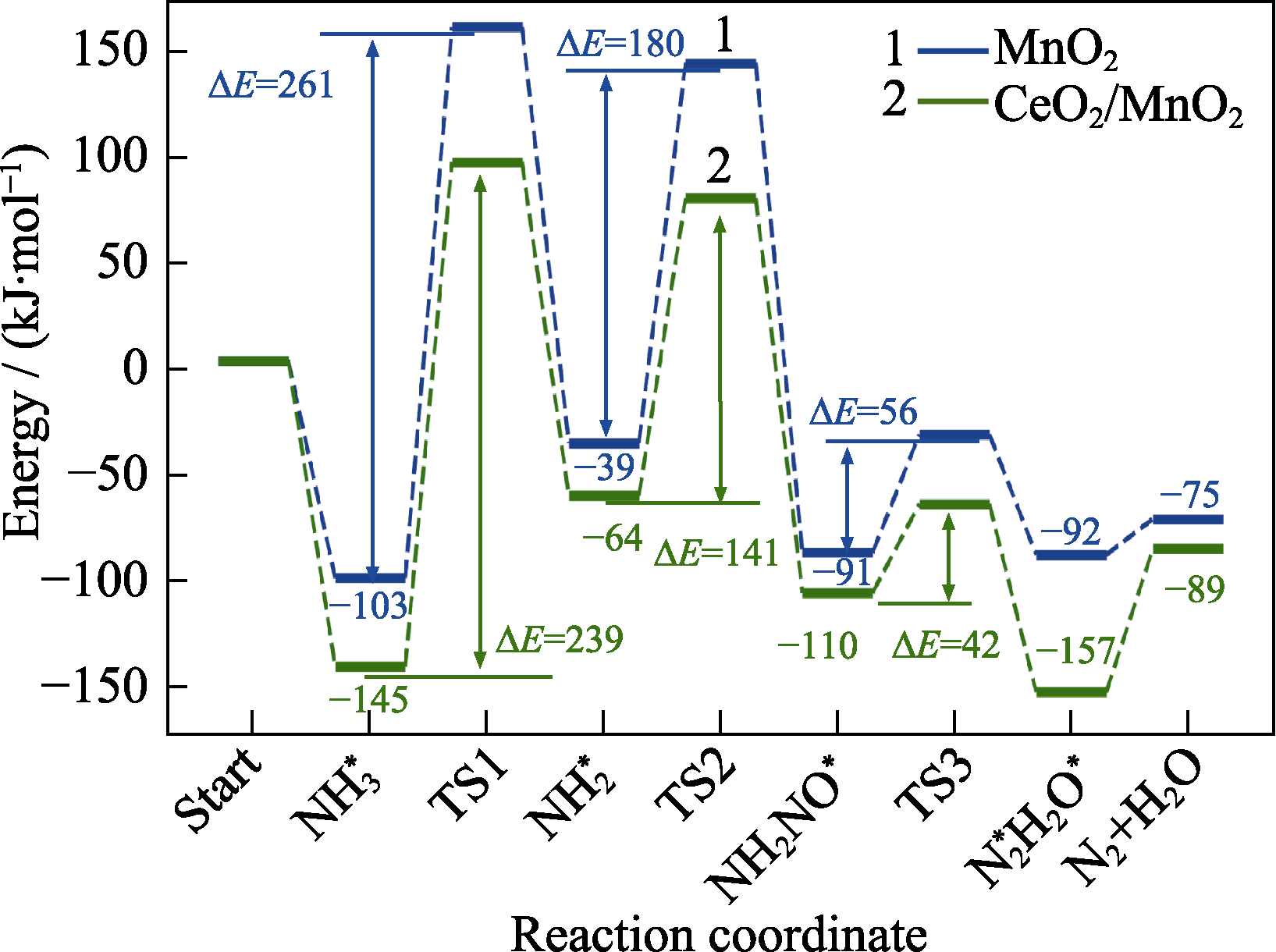
Fig. 9 NH3-SCR pathways on the surface of MnO2 and CeO2/MnO2
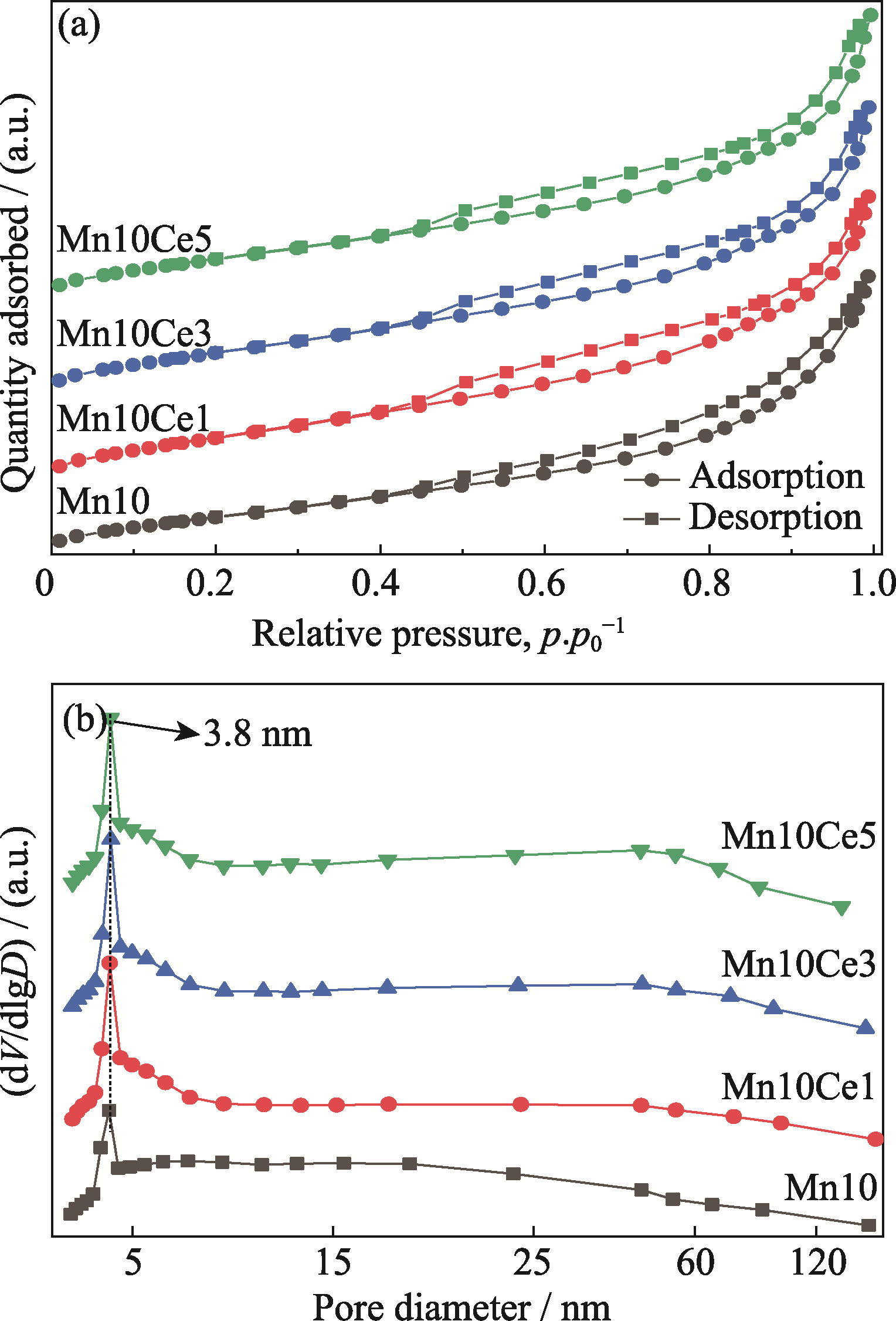
Fig. S1 (a) N2 adsorption-desorption isotherms and (b) corresponding BJH pore diameter distributions of the prepared catalysts
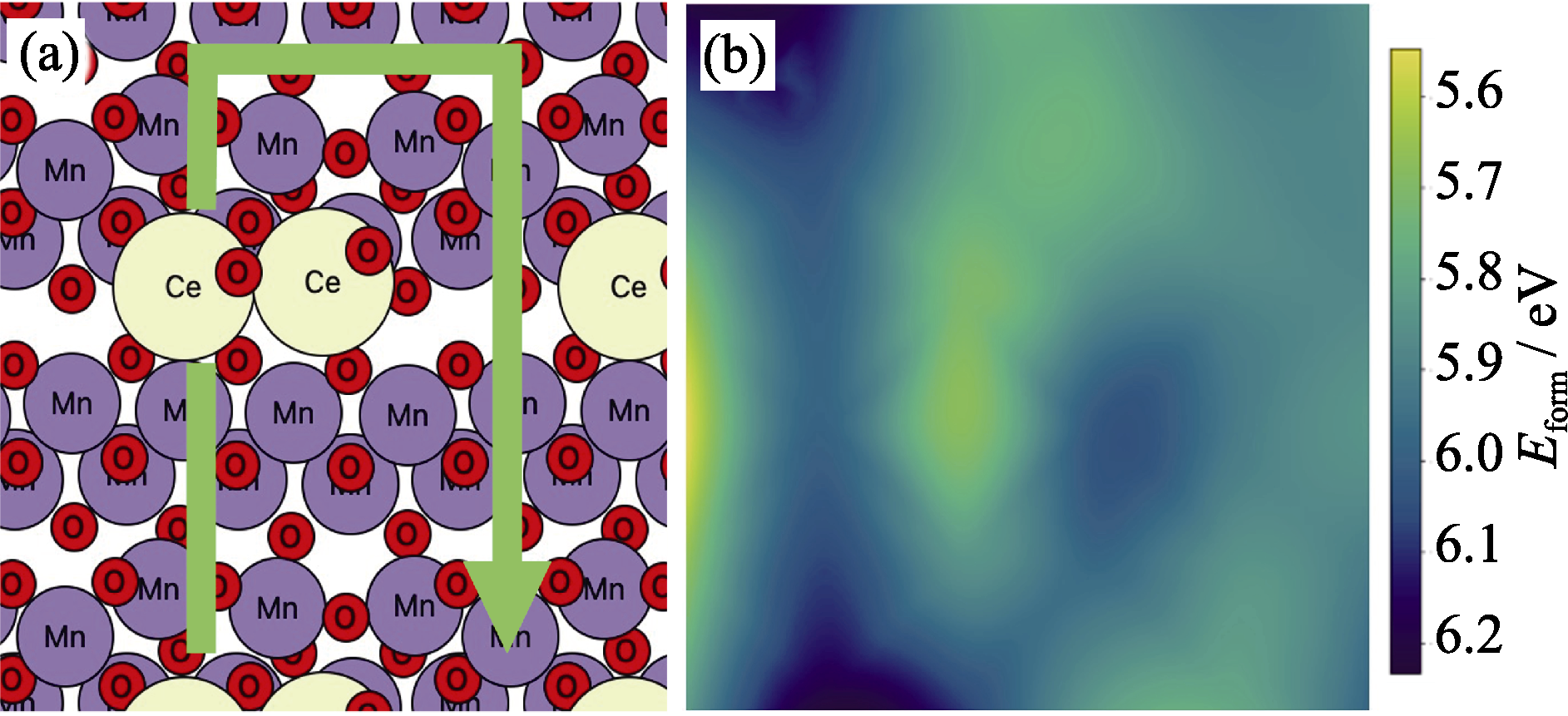
Fig. S2 (a) Optimal configuration of CeO2 dimer on MnO2 surface and (b) formation energy of CeO2/MnO2 model
| Catalyst | SBET/(m2·g−1) | Pore volume/ (cm3·g−1) | Average pore size/nm |
|---|---|---|---|
| Mn10 | 34.7 | 0.078 | 7.9 |
| Mn10Ce1 | 35.4 | 0.067 | 6.8 |
| Mn10Ce3 | 37.3 | 0.074 | 7.2 |
| Mn10Ce5 | 38.3 | 0.079 | 7.5 |
Table S1 Specific surface area, pore volume and average pore size of the prepared catalysts
| Catalyst | SBET/(m2·g−1) | Pore volume/ (cm3·g−1) | Average pore size/nm |
|---|---|---|---|
| Mn10 | 34.7 | 0.078 | 7.9 |
| Mn10Ce1 | 35.4 | 0.067 | 6.8 |
| Mn10Ce3 | 37.3 | 0.074 | 7.2 |
| Mn10Ce5 | 38.3 | 0.079 | 7.5 |
| Catalyst | NH3-TPD | NO-TPD | ||||
|---|---|---|---|---|---|---|
| Peak I | Peak II | Total | Peak I | Peak II | Total | |
| Mn10 | 64.4 | 35.3 | 99.7 | 1.9 | 0.4 | 2.3 |
| Mn10Ce1 | 66.1 | 17.9 | 84.0 | 1.9 | 1.0 | 2.9 |
| Mn10Ce3 | 72.6 | 45.0 | 117.6 | 2.3 | 1.9 | 4.2 |
| Mn10Ce5 | 100.6 | 30.5 | 131.1 | 2.1 | 1.0 | 3.1 |
Table S2 Adsorption capacity for NH3 and NO of the prepared catalysts (μmol·g−1)
| Catalyst | NH3-TPD | NO-TPD | ||||
|---|---|---|---|---|---|---|
| Peak I | Peak II | Total | Peak I | Peak II | Total | |
| Mn10 | 64.4 | 35.3 | 99.7 | 1.9 | 0.4 | 2.3 |
| Mn10Ce1 | 66.1 | 17.9 | 84.0 | 1.9 | 1.0 | 2.9 |
| Mn10Ce3 | 72.6 | 45.0 | 117.6 | 2.3 | 1.9 | 4.2 |
| Mn10Ce5 | 100.6 | 30.5 | 131.1 | 2.1 | 1.0 | 3.1 |
| Catalyst | Mn | Ce | O | Mn3+/Mn | Ce3+/Ce | Oα/O |
|---|---|---|---|---|---|---|
| Mn10 | 36.4 | - | 63.6 | 19.4 | - | 26.4 |
| Mn10Ce1 | 30.1 | 4.4 | 65.5 | 21.3 | 5.7 | 29.0 |
| Mn10Ce3 | 21.9 | 11.9 | 66.2 | 22.4 | 7.9 | 35.9 |
| Mn10Ce5 | 19.6 | 15.6 | 64.8 | 23.2 | 6.4 | 29.3 |
Table S3 Surface elements analysis of the prepared catalysts (%, atom fraction)
| Catalyst | Mn | Ce | O | Mn3+/Mn | Ce3+/Ce | Oα/O |
|---|---|---|---|---|---|---|
| Mn10 | 36.4 | - | 63.6 | 19.4 | - | 26.4 |
| Mn10Ce1 | 30.1 | 4.4 | 65.5 | 21.3 | 5.7 | 29.0 |
| Mn10Ce3 | 21.9 | 11.9 | 66.2 | 22.4 | 7.9 | 35.9 |
| Mn10Ce5 | 19.6 | 15.6 | 64.8 | 23.2 | 6.4 | 29.3 |
| Catalyst | Peak I | Peak II | Total |
|---|---|---|---|
| Mn10 | 3.3 | 16.4 | 19.7 |
| Mn10Ce1 | 3.2 | 16.9 | 20.1 |
| Mn10Ce3 | 4.4 | 15.2 | 19.6 |
| Mn10Ce5 | 4.1 | 14.2 | 18.3 |
Table S4 H2 relative consumption of the prepared catalysts by H2-TPR test
| Catalyst | Peak I | Peak II | Total |
|---|---|---|---|
| Mn10 | 3.3 | 16.4 | 19.7 |
| Mn10Ce1 | 3.2 | 16.9 | 20.1 |
| Mn10Ce3 | 4.4 | 15.2 | 19.6 |
| Mn10Ce5 | 4.1 | 14.2 | 18.3 |
| Catalyst | NO conversion @120 ℃/% | T90/℃ | NO inlet/ppm |
|---|---|---|---|
| Mn10Ce3 | 99.1 | 110 | 100 |
| Mn10Ce5 | 98.2 | 110 | 100 |
| MnOx-CeO2[S4] | - | 120 | 400 |
| NbmCeOx[S5] | - | 200 | 1000 |
| Mn-Ce/Al2O3[S6] | ~98 | 100 | 500 |
| MnOx-CeO2-TiO2[S7] | ~28 | 220 | 3000 |
| CeO2/Mn-Fe-O[S8] | ~98 | - | 500 |
Table S5 Comparison of NH3-SCR performance of the samples prepared in this study with existing literature
| Catalyst | NO conversion @120 ℃/% | T90/℃ | NO inlet/ppm |
|---|---|---|---|
| Mn10Ce3 | 99.1 | 110 | 100 |
| Mn10Ce5 | 98.2 | 110 | 100 |
| MnOx-CeO2[S4] | - | 120 | 400 |
| NbmCeOx[S5] | - | 200 | 1000 |
| Mn-Ce/Al2O3[S6] | ~98 | 100 | 500 |
| MnOx-CeO2-TiO2[S7] | ~28 | 220 | 3000 |
| CeO2/Mn-Fe-O[S8] | ~98 | - | 500 |
| [1] |
ZHANG K Y, LUO N, HUANG Z S, et al. Recent advances in low-temperature NH3-SCR of NOx over Ce-based catalysts: performance optimizations, reaction mechanisms and anti- poisoning countermeasures. Chemical Engineering Journal, 2023, 476: 146889.
DOI URL |
| [2] |
YAN Z D, SHAN W P, SHI X Y, et al. The way to enhance the thermal stability of V2O5-based catalysts for NH3-SCR. Catalysis Today, 2020, 355: 408.
DOI URL |
| [3] |
HAN L P, CAI S X, GAO M, et al. Selective catalytic reduction of NOx with NH3 by using novel catalysts: state of the art and future prospects. Chemical Reviews, 2019, 119(19): 10916.
DOI URL |
| [4] |
NIU Z R, GAO F Y, WU W J, et al. Preparation and optimization of Mn-based catalysts for low-temperature NH3-SCR: component selection, synthesis strategy and influencing factors. Separation and Purification Technology, 2025, 357: 130103.
DOI URL |
| [5] |
XU G Y, GUO X L, CHENG X X, et al. A review of Mn-based catalysts for low-temperature NH3-SCR: NOx removal and H2O/SO2 resistance. Nanoscale, 2021, 13(15): 7052.
DOI URL |
| [6] |
CHEN Y L, SHU S, WANG S X, et al. Mn-HAP SCR catalyst: preparation and sulfur resistance. Journal of Inorganic Materials, 2022, 37(10): 1065.
DOI |
| [7] |
WANG M M, REN S, XING X D, et al. Catalytic performance of CeO2-NPs and α-MnO2 mixed oxides catalysts for low-temperature NH3-SCR of NO. Journal of the Energy Institute, 2022, 103: 54.
DOI URL |
| [8] |
WANG Y L, QIAN X Y, SHEN C Y, et al. Graphene based mesoporous manganese-cerium oxides catalysts: preparation and low-temperature catalytic reduction of NO. Journal of Inorganic Materials, 2024, 39(1): 81.
DOI URL |
| [9] |
LI T Y, LI W J, WEY M Y. Strategies for designing hydrophobic MnCe-montmorillonite catalysts against water vapor for low- temperature NH3-SCR. Fuel, 2023, 350: 128857.
DOI URL |
| [10] |
ZHANG P F, LU H F, ZHOU Y, et al. Mesoporous MnCeOx solid solutions for low temperature and selective oxidation of hydrocarbons. Nature Communications, 2015, 6: 8446.
DOI |
| [11] |
XIONG S C, CHEN J J, HUANG N, et al. The poisoning mechanism of gaseous HCl on low-temperature SCR catalysts: MnOx-CeO2 as an example. Applied Catalysis B: Environmental, 2020, 267: 118668.
DOI URL |
| [12] |
XIE Q, AN D Q, ZHOU L S, et al. Deactivation induced by metal sulfate over MnCeOx catalyst in NH3-SCR reaction at low temperature. Journal of Rare Earths, 2024, 42(6): 1056.
DOI URL |
| [13] |
CHEN W B, XU S Z. Unraveling the complete mechanism of the NH3-selective catalytic reduction of NO over CeO2. ACS Catalysis, 2023, 13(23): 15481.
DOI URL |
| [14] |
MA J J, YANG Y Y, GAO M Y, et al. Preparation and activity of CeO2 nanoparticles in synthesis of polycarbonates from CO2. Journal of Inorganic Materials, 2025, 40(1): 70.
DOI URL |
| [15] |
GONÇALVES P R G, DE ABREU H A, DUARTE H A. Stability, structural, and electronic properties of hausmannite (Mn3O4) surfaces and their interaction with water. The Journal of Physical Chemistry C, 2018, 122(36): 20841.
DOI URL |
| [16] |
ZHANG B L, ZHANG S G, LIU B. Effect of oxygen vacancies on ceria catalyst for selective catalytic reduction of NO with NH3. Applied Surface Science, 2020, 529: 147068.
DOI URL |
| [17] |
WANG C Z, LI Q Y, ZHANG Z L, et al. Enhancement strategies for NH3-SCR performance of MnCeOx nanowire aerogel catalyst: synergistic modulation of phosphotungstic acid and structure. Separation and Purification Technology, 2025, 358: 130361.
DOI URL |
| [18] |
LI W M, LIU H D, CHEN Y F. Fabrication of MnOx-CeO2-based catalytic filters and their application in low-temperature selective catalytic reduction of NO with NH3. Industrial & Engineering Chemistry Research, 2020, 59(28): 12657.
DOI URL |
| [19] |
LUO N, GAO F Y, LIU H H, et al. Hierarchical structured Ti-doped CeO2 stabilized CoMn2O4 for enhancing the low- temperature NH3-SCR performance within highly H2O and SO2 resistance. Applied Catalysis B: Environmental, 2024, 343: 123442.
DOI URL |
| [20] |
LI Y S, SUN Z X, ZHANG Z P, et al. Enhancing reactive oxygen release-replenishment and Lewis acid acidity by Nb doping in NbmCeOx for simultaneous elimination of NOx and toluene. Applied Catalysis B: Environment and Energy, 2025, 364: 124842.
DOI URL |
| [21] |
HAO S J, CAI Y D, WEI W, et al. Distinct effect of preparation methods on reaction efficiency of Mn-Ce/Al2O3 catalysts in low- temperature NH3-SCR. Journal of Rare Earths, 2024, 42(10): 1865.
DOI URL |
| [22] |
SHI W, LIU J J, ZHU Y, et al. Extruded monolith MnOx-CeO2-TiO2 catalyst for NH3-SCR of low temperature flue gas from an industry boiler: deactivation and recovery. Journal of Rare Earths, 2023, 41(9): 1336.
DOI URL |
| [23] |
ZHANG Y Y, HAI G T, HUANG Z S, et al. Ce-doping rather than CeO2 modification and their synergistic effect: promotion from Ce species in the electrocatalytic oxidation of 5-hydroxymethylfurfural over NiFe-LDH. Advanced Energy Materials, 2024, 14(38): 2401449.
DOI URL |
| [24] |
HUANG X B, WANG P, TAO J Z, et al. CeO2 modified Mn-Fe-O composites and their catalytic performance for NH3-SCR of NO. Journal of Inorganic Materials, 2020, 35(5): 573.
DOI URL |
| [25] |
YE L M, LU P, CHEN X B, et al. The deactivation mechanism of toluene on MnOx-CeO2 SCR catalyst. Applied Catalysis B: Environmental, 2020, 277: 119257.
DOI URL |
| [26] |
ZHANG B L, DENG L F, LIEBAU M, et al. Tar induced deactivation and regeneration of a commercial V2O5-MoO3/TiO2 catalyst during selective catalytic reduction of NO with NH3. Fuel, 2022, 316: 123324.
DOI URL |
| [27] |
WANG F M, CAI Q, GAO J Q, et al. Synthesis of hollow structured MnCeOx@PrCeOx catalyst for low temperature NH3-SCR with enhanced SO2 resistance. Applied Surface Science, 2025, 685: 162067.
DOI URL |
| [28] |
LIU B, LIU J, XIN L, et al. Unraveling reactivity descriptors and structure sensitivity in low-temperature NH3-SCR reaction over CeTiOx catalysts: a combined computational and experimental study. ACS Catalysis, 2021, 11(13): 7613.
DOI URL |
| [29] |
LI J C, ZHANG C, FANG D L, et al. The inhibition mechanism of N2O generation in NH3-SCR process by water vapor. Journal of Hazardous Materials, 2025, 485: 136881.
DOI URL |
| [30] |
CHEN L, YAO X J, CAO J, et al. Effect of Ti4+ and Sn4+ co-incorporation on the catalytic performance of CeO2-MnOx catalyst for low temperature NH3-SCR. Applied Surface Science, 2019, 476: 283.
DOI URL |
| [1] | WANG Junbu, HUANG Zeai, YANG Mingkai, MENG Ying, ZHOU Mingwei, ZHOU Ying. Research Progress on Anti-coking Catalytic Materials for Methane Conversion [J]. Journal of Inorganic Materials, 2026, 41(6): 739-750. |
| [2] | LIU Jiangping, GUAN Xin, TANG Zhenjie, ZHU Wenjie, LUO Yongming. Research Progress on Catalytic Oxidation of Nitrogen-containing Volatile Organic Compounds [J]. Journal of Inorganic Materials, 2025, 40(9): 933-943. |
| [3] | ZHANG Ruiyang, WANG Yi, OU Bowen, ZHOU Ying. α-Ni(OH)2 Surface Hydroxyls Synergize Ni3+ Sites for Catalytic Formaldehyde Oxidation [J]. Journal of Inorganic Materials, 2023, 38(10): 1216-1222. |
| [4] | GAO Wa, XIONG Yujie, WU Congping, ZHOU Yong, ZOU Zhigang. Recent Progress on Photocatalytic CO2 Reduction with Ultrathin Nanostructures [J]. Journal of Inorganic Materials, 2022, 37(1): 3-14. |
| [5] | ZHENG Yanning, JI Junrong, LIANG Xueling, LAI Zhengjie, CHENG Qifan, LIAO Dankui. Performance of Nitrogen-doped Hollow Carbon Spheres as Oxidase Mimic [J]. Journal of Inorganic Materials, 2021, 36(5): 527-534. |
| [6] | XU Yun-Qing,WANG Hai-Zeng. Sodium Magnesium Fluoride Particles of Different Morphologies: Prepared by EDTA-assisted Hydrothermal Method [J]. Journal of Inorganic Materials, 2019, 34(9): 933-937. |
| [7] | YU Yin-Hu, WANG Tao, LIAO Qiu-Ping, MIAO Run-Jie, PAN Jian-Feng, ZHANG Du-Bao. Low-temperature Solid-state Synthesis of Nanometer TiB2-TiC Composite Powder [J]. Journal of Inorganic Materials, 2016, 31(3): 324-328. |
| [8] | YU Yin-Hu, WANG Tao, ZHANG Hong-Min, ZHANG Du-Bao, PAN Jian-Feng. Low Temperature Combustion Synthesis of TiC Powder Induced by PTFE [J]. Journal of Inorganic Materials, 2015, 30(3): 272-276. |
| [9] | DOU Zhi-He, ZHANG Ting-An, WEN Ming, SHI Guan-Yong, HE Ji-Cheng. Preparation of Ultra-fine NdB6 Powders by Combustion Synthesis and Its Reaction Mechanism [J]. Journal of Inorganic Materials, 2014, 29(7): 711-716. |
| [10] | GUO Xiang-Xin, HUANG Shi-Ting, ZHAO Ning, CUI Zhong-Hui, FAN Wu-Gang, LI Chi-Lin, LI Hong. Rapid Development and Critical Issues of Secondary Lithium-air Batteries [J]. Journal of Inorganic Materials, 2014, 29(2): 113-123. |
| [11] | SHI Xiao-Rui, WANG Qun, LV Ling-Yuan, LI Yang, YU Xiao, CHEN Gang. Controllable Synthesis and Electrical Conductivities of Cu7Te4 Nanostructures [J]. Journal of Inorganic Materials, 2012, 27(4): 433-438. |
| [12] | MU Yun-Chao, LIANG Bao-Yan, GUO Ji-Feng. Reaction Mechanism of Ti3SiC2 Formed on the Diamond [J]. Journal of Inorganic Materials, 2012, 27(10): 1099-1104. |
| [13] | XU Xiu-Hua,XIAO Han-Ning,GUO Wen-Ming,GAO Peng-Zhao,PENG Su-Hua. Preparation and Reaction Mechanism of LaB6 Powder by Solid-state Reaction at Atmospheric Pressure [J]. Journal of Inorganic Materials, 2011, 26(4): 417-421. |
| [14] | WU Hao1,2, CHEN Cheng1, JIANG DanYu2, LI Qiang1. Fast Mechanochemical Synthesis of Nanostructured PMN at Low Temperature [J]. Journal of Inorganic Materials, 2010, 25(5): 541-545. |
| [15] | XU Shun-Jian,QIAO Guan-Jun,WANG Hong-Jie,LI Di-Chen,LU Tian-Jian. Microstructure Evolution and Reaction Mechanism of Microporous Carbon Derived SiC Ceramic [J]. Journal of Inorganic Materials, 2009, 24(2): 291-296. |
| Viewed | ||||||
|
Full text |
|
|||||
|
Abstract |
|
|||||
