
Journal of Inorganic Materials ›› 2026, Vol. 41 ›› Issue (2): 177-185.DOI: 10.15541/jim20250097
• RESEARCH ARTICLE • Previous Articles Next Articles
ZHU Jianhua1,2( ), YANG Xin1, RU Lingjie1
Received:2025-03-07
Revised:2025-08-13
Published:2026-02-20
Online:2025-08-26
About author:ZHU Jianhua (1978-), male, associate professor. E-mail: zjianhua@ahut.edu.cn
Supported by:CLC Number:
ZHU Jianhua, YANG Xin, RU Lingjie. 2D/2D Coupled ZnIn2S4/TiO2 Heterojunction and Its Enhanced Photocatalytic Reduction of CO2[J]. Journal of Inorganic Materials, 2026, 41(2): 177-185.
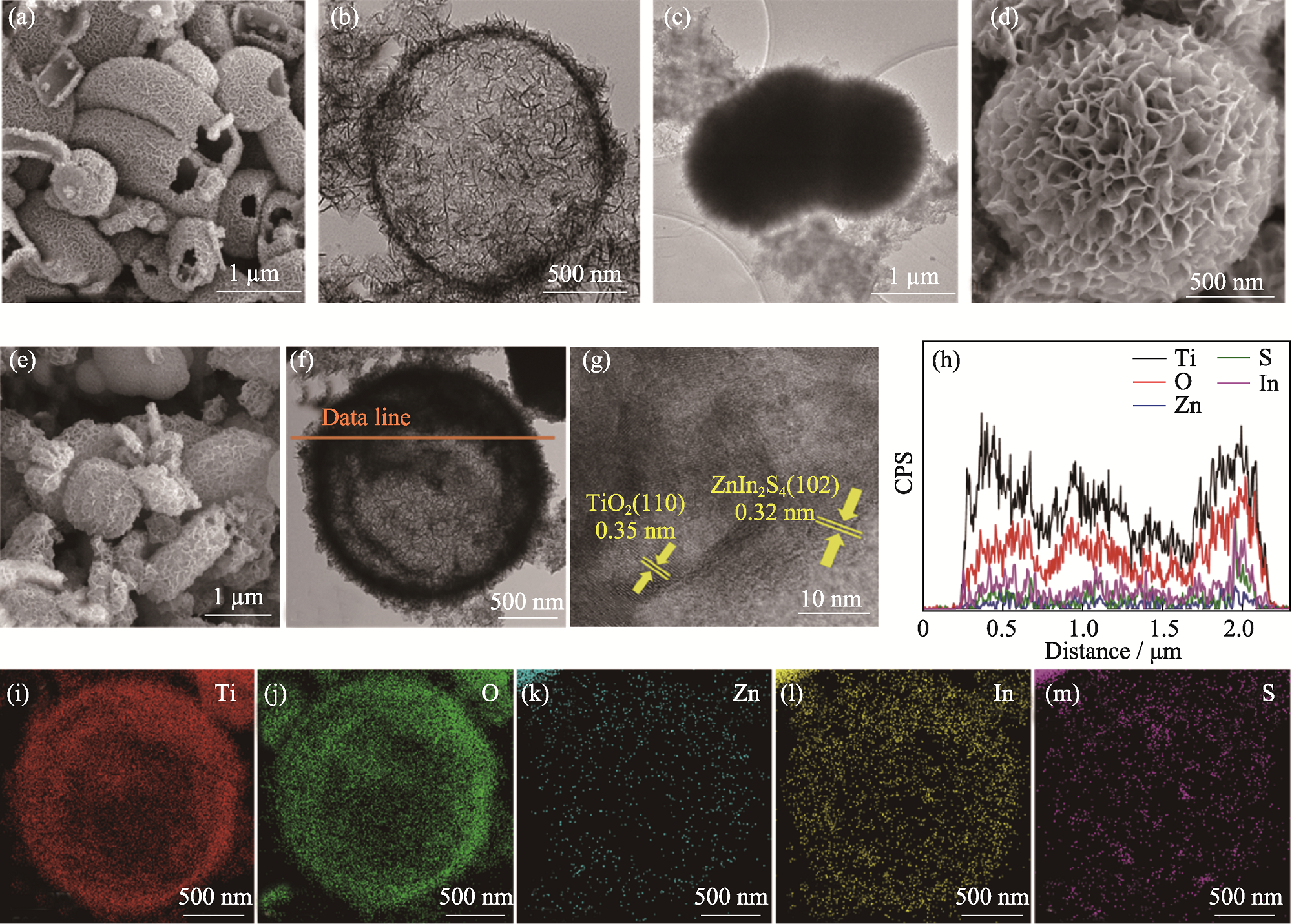
Fig. 1 Morphologies and microstructures of materials (a) SEM and (b) TEM images of 125-Tyr; (c) SEM and (d) TEM images of ZIS; (e) SEM, (f) TEM and (g) HRTEM images of ZIS-T20; (h) Line scan of ZIS-T20; (i-m) Distributions of elements for ZIS-T20. Colorful figures are available on website
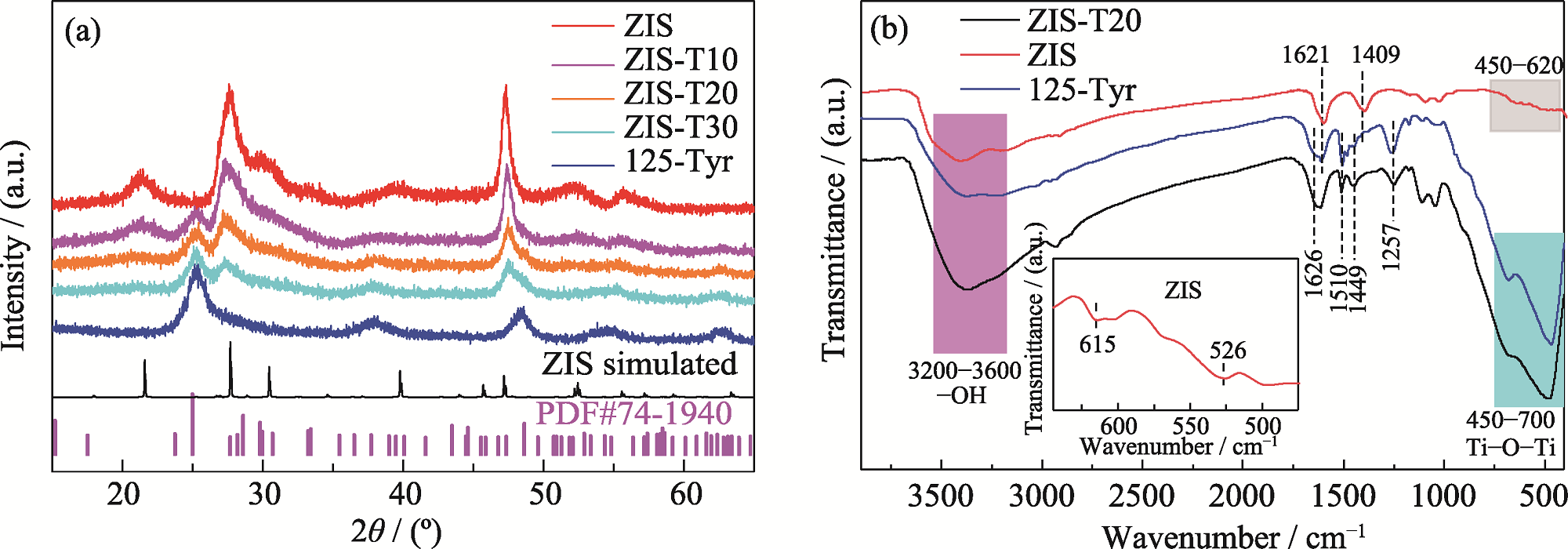
Fig. 2 (a) XRD patterns and (b) FT-IR spectra of materials Inset in (b) indicates the local magnification of ZIS. Colorful figures are available on website
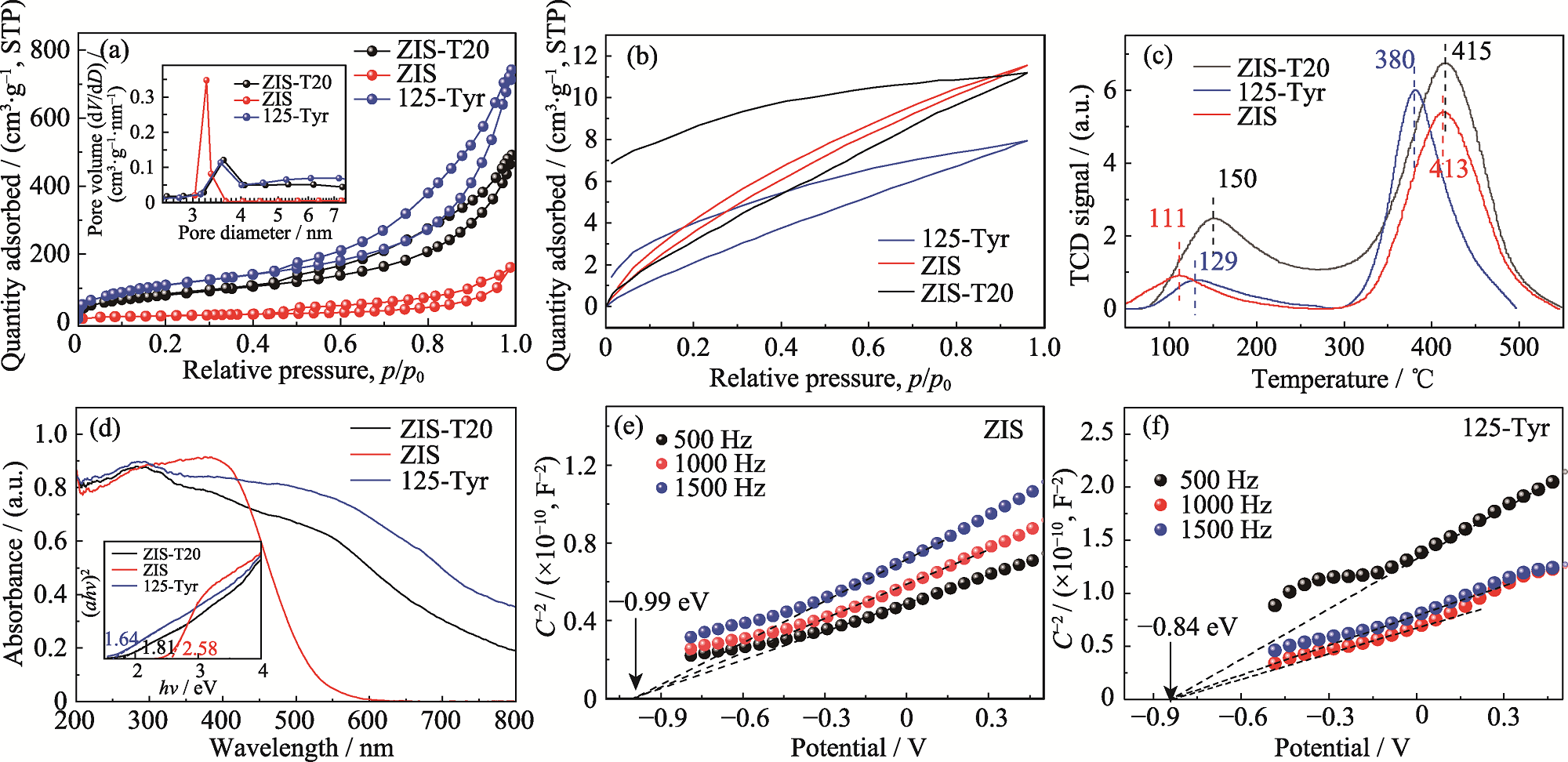
Fig. 3 Physical and chemical properties of materials (a) N2 adsorption-desorption curves with inset showing the corresponding pore size distributions; (b) CO2 adsorption curves; (c) CO2-TPD profiles; (d) UV-Vis diffuse reflectance spectra with inset showing (αhv)2 versus hv plots; (e, f) Mott-Schottky spectra of (e) ZIS and (f) 125-Tyr. Colorful figures are available on website
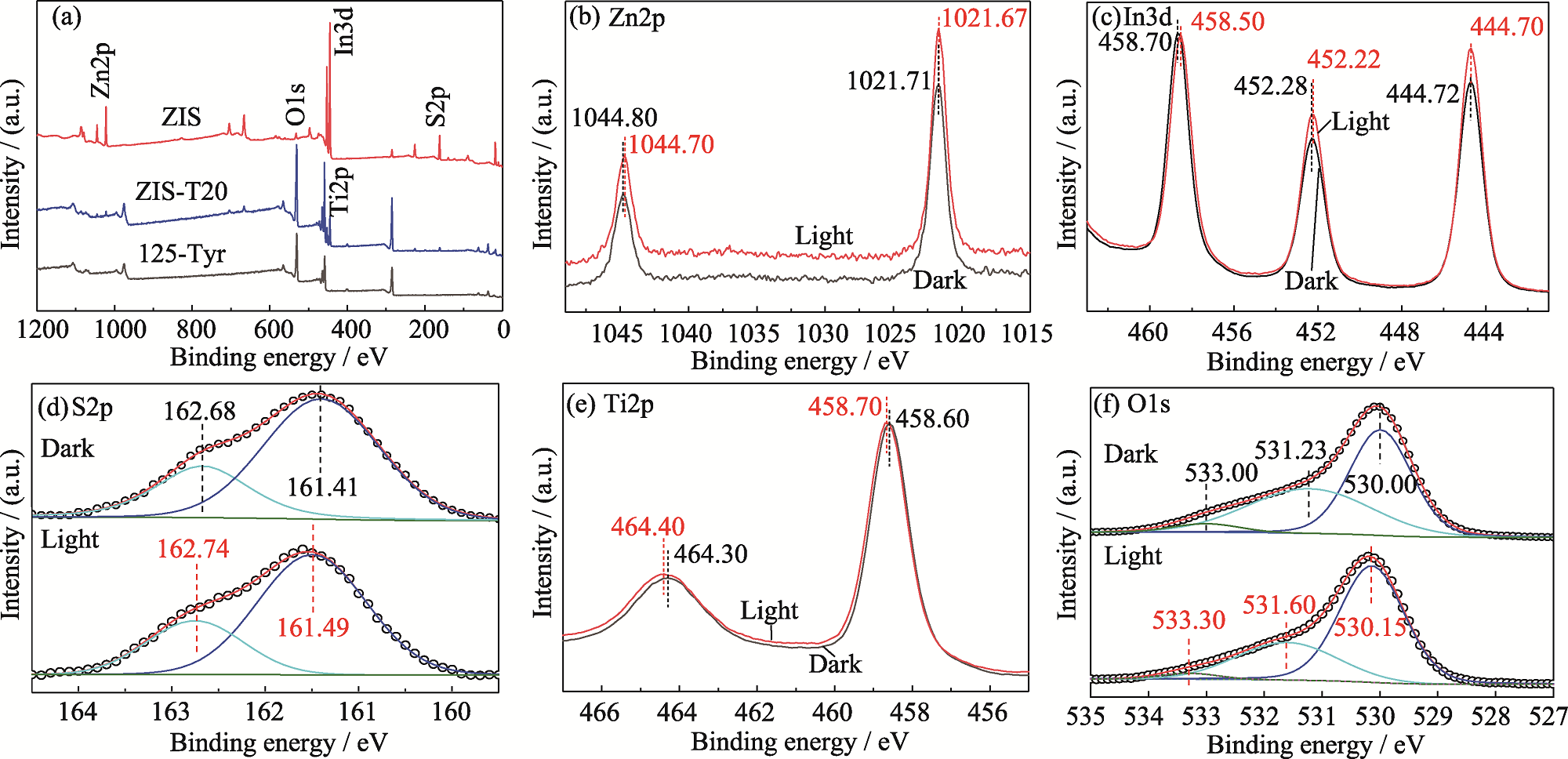
Fig. 4 Quasi-in situ XPS spectra (a) Total spectra; (b) Zn2p, (c) In3d, (d) S2p, (e) Ti2p, and (f) O1s XPS spectra of ZIS-T20 before and under light irradiation
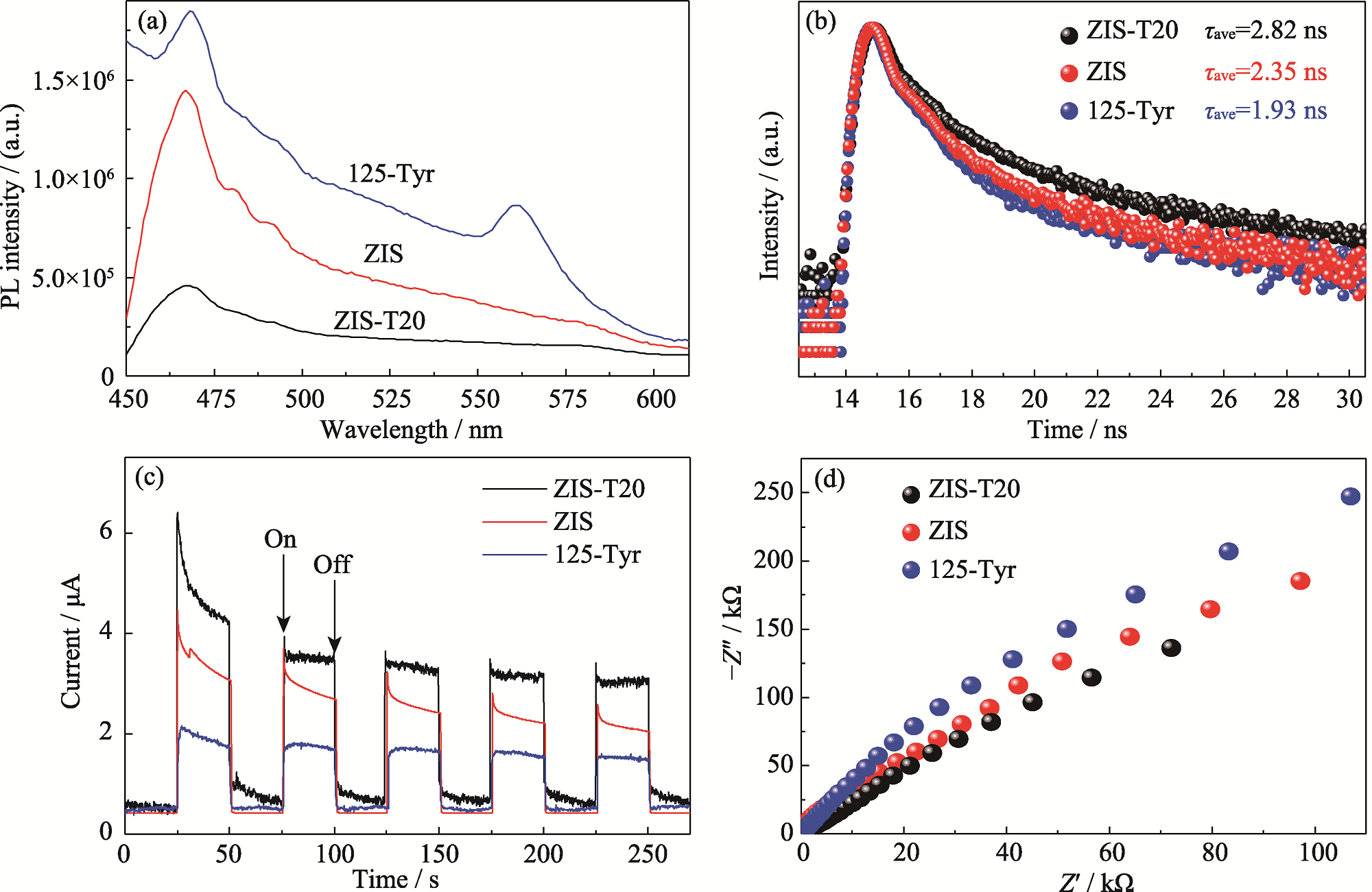
Fig. 5 Photoelectric performance tests of materials (a) Steady-state PL spectra; (b) TRPL spectra; (c) Transient photocurrents; (d) EIS plots. Colorful figures are available on website
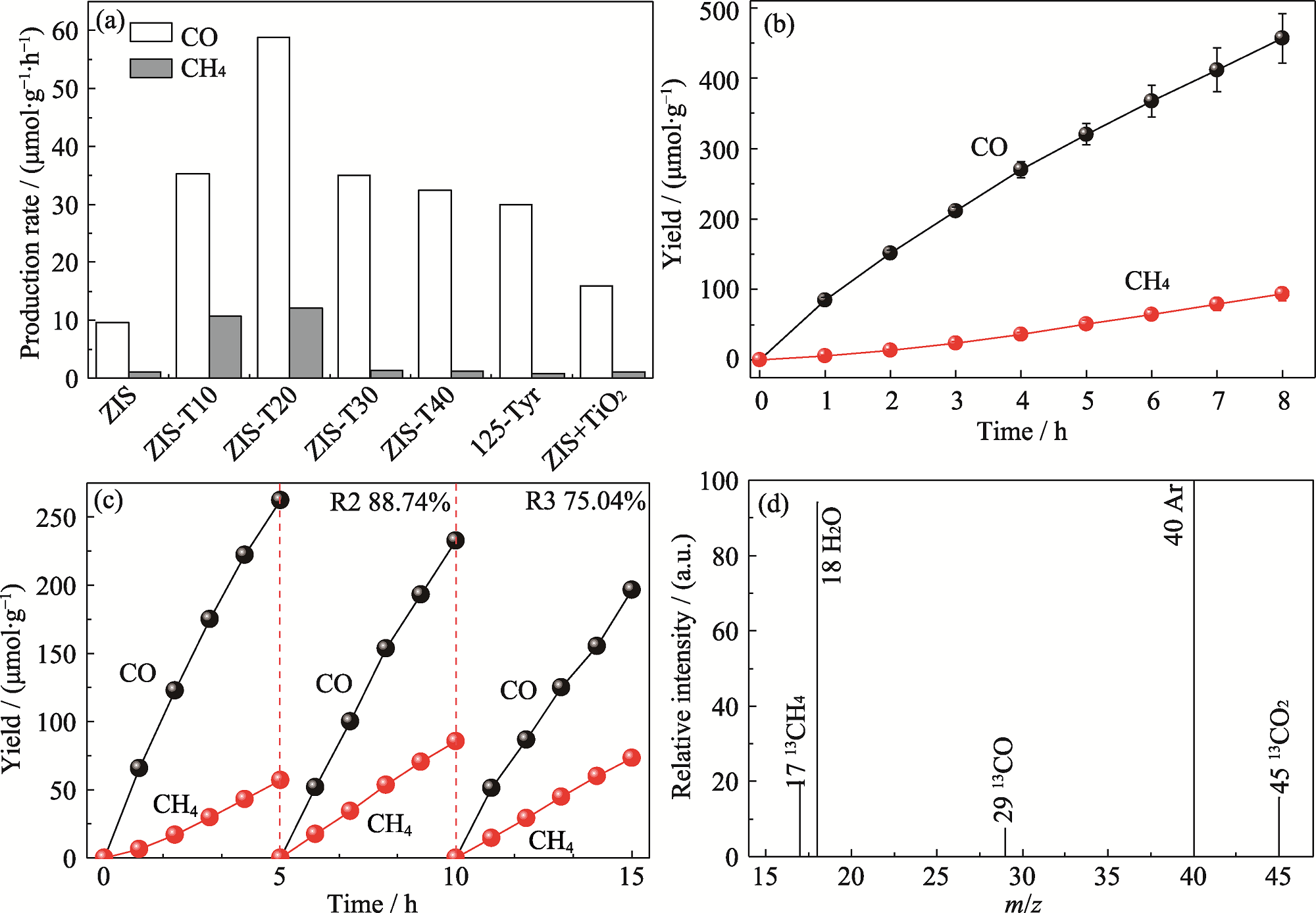
Fig. 6 Photocatalytic performance tests of materials (a) Photocatalytic CO2 reduction rates of different samples; (b) Photocatalytic products of ZIS-T20 for 8 h; (c) Photocatalytic cycle tests of ZIS-T20; (d) Isotope trace of photocatalytic products
| Material | Photoreactor condition | Product | Production rate/ (μmol·g−1·h−1) | Ref. |
|---|---|---|---|---|
| Porous TiO2 (B) | 300 W Xe-lamp | CH4 CH3OH | 0.23 0.08 | [ |
| TiO2 anatase | 90 mW/cm2 solar simulator | CO | 0.55 | [ |
| Pure ZnIn2S4 | 300 W Xe-lamp | CO CH4 | 1.56 0.026 | [ |
| 3D-ZnIn2S4/TiO2 | 300 W Xe-lamp | CH4 | 1.135 | [ |
| 2D/2D ZIS-T20 | 300 W Xe-lamp | CO CH4 | 58.87 12.03 | This work |
Table 1 Reported catalysts and their photocatalytic effects
| Material | Photoreactor condition | Product | Production rate/ (μmol·g−1·h−1) | Ref. |
|---|---|---|---|---|
| Porous TiO2 (B) | 300 W Xe-lamp | CH4 CH3OH | 0.23 0.08 | [ |
| TiO2 anatase | 90 mW/cm2 solar simulator | CO | 0.55 | [ |
| Pure ZnIn2S4 | 300 W Xe-lamp | CO CH4 | 1.56 0.026 | [ |
| 3D-ZnIn2S4/TiO2 | 300 W Xe-lamp | CH4 | 1.135 | [ |
| 2D/2D ZIS-T20 | 300 W Xe-lamp | CO CH4 | 58.87 12.03 | This work |
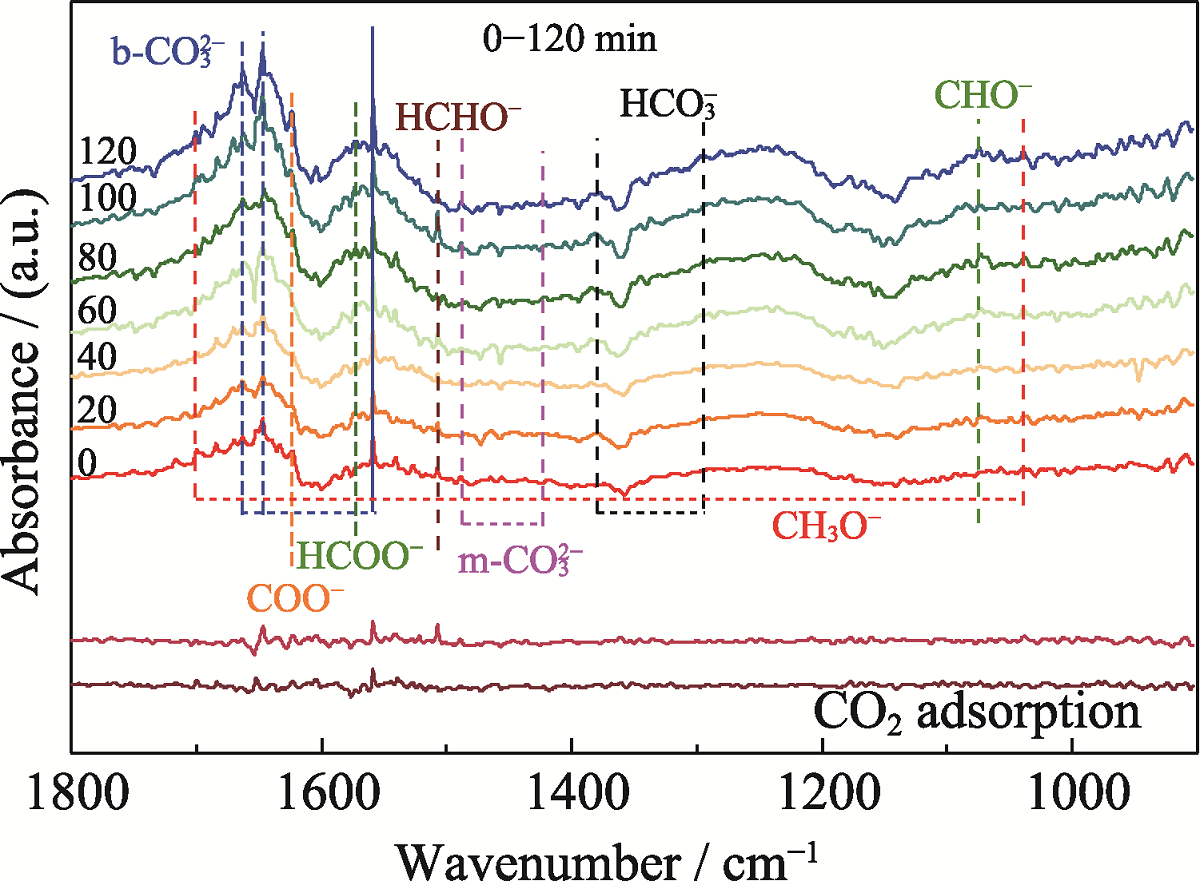
Fig. 7 In situ DRIFTS spectra of ZIS-T20 during PCR reaction
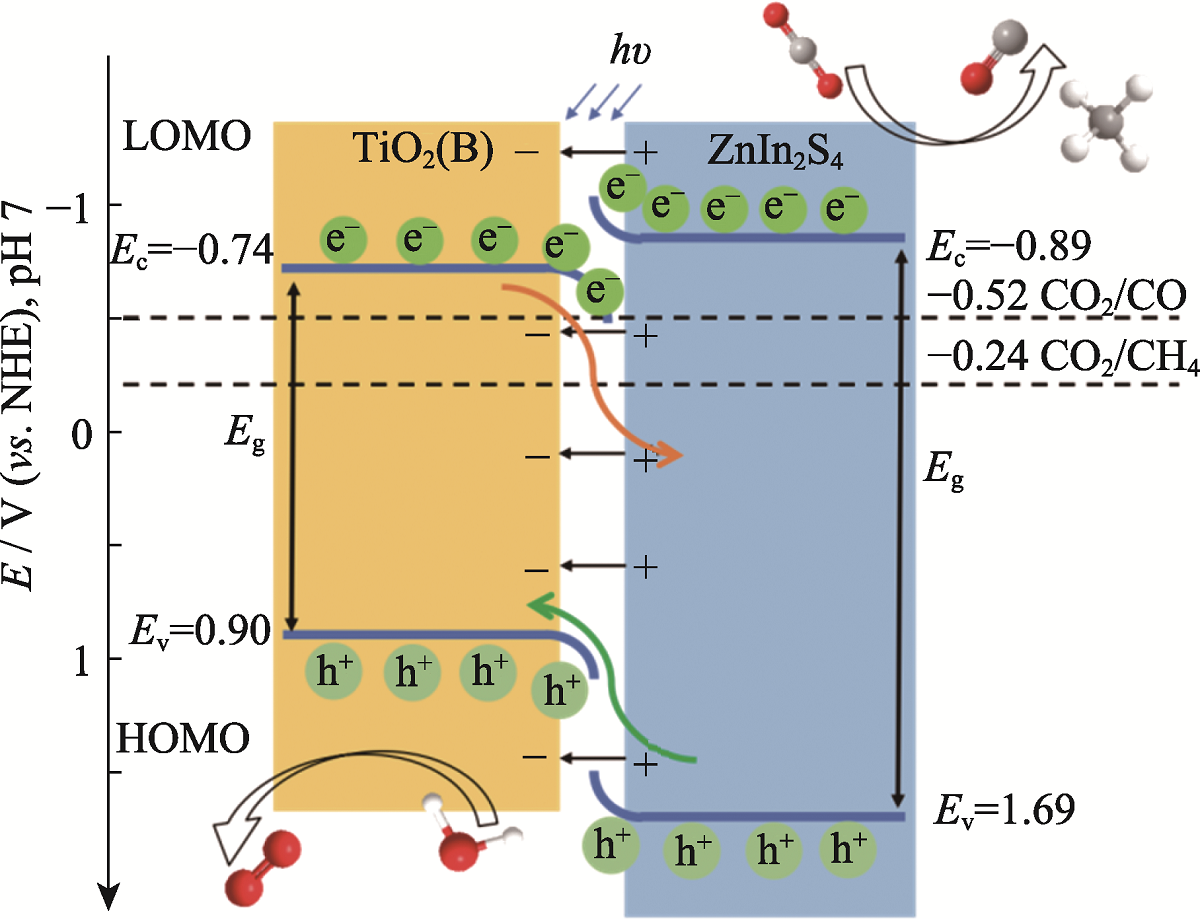
Fig. 8 Schematic diagram of ZIS-T20 for PCR
| [1] | GHOSH S, MODAK A, SAMANTA A, et al. Recent progress in materials development for CO2 conversion: issues and challenges. Materials Advances, 2021, 2(10): 3161. |
| [2] |
LIU W, LI H Q, OU P F, et al. Isolated Cu-Sn diatomic sites for enhanced electroreduction of CO2 to CO. Nano Research, 2023, 16(7): 8729.
DOI |
| [3] |
GAO W, LI S, HE H C, et al. Vacancy-defect modulated pathway of photoreduction of CO2 on single atomically thin AgInP2S6 sheets into olefiant gas. Nature Communications, 2021, 12: 4747.
DOI |
| [4] |
JIA X M, SUN H Y, LIN H L, et al. In-depth insight into the mechanism on photocatalytic selective CO2 reduction coupled with tetracycline oxidation over BiO1-xBr/g-C3N4. Applied Surface Science, 2023, 614: 156017.
DOI URL |
| [5] | SAGARA N, KAMIMURA S, TSUBOTA T, et al. Photoelectrochemical CO2 reduction by a p-type boron-doped g-C3N4 electrode under visible light. Applied Catalysis B: Environmental, 2016, 192: 193. |
| [6] |
FU Y J, XU Y R, MAO Y J, et al. Multi-functional Ag/Ag3PO4/AgPMo with S-scheme heterojunction for boosted photocatalytic performance. Separation and Purification Technology, 2023, 317: 123922.
DOI URL |
| [7] |
WANG G R, QUAN Y K, HAO X Q, et al. Strong redox-capable graphdiyne-based double S-scheme heterojunction 10%GC/Mo for enhanced photocatalytic hydrogen evolution. Journal of Environmental Chemical Engineering, 2023, 11(1): 109119.
DOI URL |
| [8] |
ALI S, NASIR J A, DARA R N, et al. Modification strategies of metal oxide photocatalysts for clean energy and environmental applications: a review. Inorganic Chemistry Communications, 2022, 145: 110011.
DOI URL |
| [9] |
MOURYA A K, SINGH R P, KUMAR T, et al. Tuning the morphologies of ZnO for enhanced photocatalytic activity. Inorganic Chemistry Communications, 2023, 154: 110850.
DOI URL |
| [10] |
LIU X B, ZHU C Y, LI M Y, et al. Confinement synthesis of atomic copper-anchored polymeric carbon nitride in crystalline UiO-66-NH2 for high-performance CO2-to-CH3OH photocatalysis. Angewandte Chemie International Edition, 2024, 63(45): e202412408.
DOI URL |
| [11] |
WANG M M, MA Y X, FO Y M, et al. Theoretical insights into the origin of highly efficient photocatalyst NiO/NaTaO3 for overall water splitting. International Journal of Hydrogen Energy, 2020, 45(38): 19357.
DOI URL |
| [12] |
PAN B, WU Y, RHIMI B, et al. Oxygen-doping of ZnIn2S4 nanosheets towards boosted photocatalytic CO2 reduction. Journal of Energy Chemistry, 2021, 57: 1.
DOI URL |
| [13] | WANG J, SUN S J, ZHOU R, et al. A review: synthesis, modification and photocatalytic applications of ZnIn2S4. Journal of Materials Science & Technology, 2021, 78: 1. |
| [14] |
ANUCHA C B, ALTIN I, BACAKSIZ E, et al. Titanium dioxide (TiO2)-based photocatalyst materials activity enhancement for contaminants of emerging concern (CECs) degradation: in the light of modification strategies. Chemical Engineering Journal Advances, 2022, 10: 100262.
DOI URL |
| [15] |
ALWARED A I, SULAIMAN F A, RAAD H, et al. Ability of FeNi3/SiO2/TiO2 nanocomposite to degrade amoxicillin in wastewater samples in solar light-driven processes. South African Journal of Botany, 2023, 153: 195.
DOI URL |
| [16] | WANG J, WANG G H, CHENG B, et al. Sulfur-doped g-C3N4/TiO2 S-scheme heterojunction photocatalyst for Congo red photodegradation. Chinese Journal of Catalysis, 2021, 42(1): 56. |
| [17] | WU X H, CHEN G Q, LI L T, et al. ZnIn2S4-based S-scheme heterojunction photocatalyst. Journal of Materials Science & Technology, 2023, 167: 184. |
| [18] |
LI M Z, WANG L L, ZHANG X Y, et al. Recent status and future perspectives of ZnIn2S4 for energy conversion and environmental remediation. Chinese Chemical Letters, 2023, 34(7): 107775.
DOI URL |
| [19] |
SHI X W, DAI C, WANG X, et al. Protruding Pt single-sites on hexagonal ZnIn2S4 to accelerate photocatalytic hydrogen evolution. Nature Communications, 2022, 13: 1287.
DOI |
| [20] |
CHONG W K, NG B J, ER C C, et al. Insights from density functional theory calculations on heteroatom P-doped ZnIn2S4 bilayer nanosheets with atomic-level charge steering for photocatalytic water splitting. Scientific Reports, 2022, 12: 1927.
DOI |
| [21] |
LIU H, ZHANG J, AO D. Construction of heterostructured ZnIn2S4@NH2-MIL-125(Ti) nanocomposites for visible-light- driven H2 production. Applied Catalysis B: Environmental, 2018, 221: 433.
DOI URL |
| [22] |
GHALEHSEFID E S, JAHANI Z G, ALIABADI A, et al. TiO2 nanotube/ZnIn2S4 nanoflower composite with step-scheme heterojunction for efficient photocatalytic H2O2 production and organic dye degradation. Journal of Environmental Chemical Engineering, 2023, 11(3): 110160.
DOI URL |
| [23] |
HE Z L, ZHANG J, LI X, et al. 1D/2D heterostructured photocatalysts: from design and unique properties to their environmental applications. Small, 2020, 16(46): 2005051.
DOI URL |
| [24] |
LIU G, WANG G H, HU Z H, et al. Ag2O nanoparticles decorated TiO2 nanofibers as a p-n heterojunction for enhanced photocatalytic decomposition of RhB under visible light irradiation. Applied Surface Science, 2019, 465: 902.
DOI URL |
| [25] |
DU H, LI N Y, YANG L X, et al. Plasmonic Ag modified Ag3VO4/AgPMo S-scheme heterojunction photocatalyst for boosted Cr(VI) reduction under visible light: performance and mechanism. Separation and Purification Technology, 2023, 304: 122204.
DOI URL |
| [26] |
NING Y Q, LV D Q, TANG Q, et al. Novel 2D/2D/2D heterojunction of ZnIn2S4/g-C3N4/MoS2 for enhanced photocatalytic hydrogen evolution reaction. Ceramics International, 2024, 50(22): 48692.
DOI URL |
| [27] |
GUO F, YANG M, LI R X, et al. Nanosheet-engineered NH2-MIL-125 with highly active facets for enhanced solar CO2 reduction. ACS Catalysis, 2022, 12(15): 9486.
DOI URL |
| [28] |
XIANG G L, LI T Y, ZHUANG J, et al. Large-scale synthesis of metastable TiO2(B) nanosheets with atomic thickness and their photocatalytic properties. Chemical Communications, 2010, 46(36): 6801.
DOI PMID |
| [29] |
ALMAJIDI Y Q, AL-DOLAIMY F, ALSAAB H O, et al. Build-in internal electric field in vacancy engineered CdS@ZnIn2S4 type-II heterostructure for boosting photocatalytic tetracycline degradation and in situ H2O2 generation. Materials Research Bulletin, 2024, 170: 112570.
DOI URL |
| [30] |
JALALI E, MAGHSOUDI S, NOROOZIAN E. A novel method for biosynthesis of different polymorphs of TiO2 nanoparticles as a protector for Bacillus thuringiensis from ultra violet. Scientific Reports, 2020, 10: 426.
DOI |
| [31] |
FIAZ M, KASHIF M, MAJEED D S, et al. Facile fabrication of highly efficient photoelectrocatalysts MxOy@NH2-MIL-125(Ti) for enhanced hydrogen evolution reaction. ChemistrySelect, 2019, 4(23): 6996.
DOI URL |
| [32] |
CHENG X M, DAO X Y, WANG S Q, et al. Enhanced photocatalytic CO2 reduction activity over NH2-MIL-125(Ti) by facet regulation. ACS Catalysis, 2020, 11(2): 650.
DOI URL |
| [33] |
PRAVEEN P, VIRUTHAGIRI G, MUGUNDAN S, et al. Structural, optical and morphological analyses of pristine titanium di-oxide nanoparticles-synthesized via Sol-Gel route. Spectrochimica Acta Part A: Molecular and Biomolecular Spectroscopy, 2014, 117: 622.
DOI URL |
| [34] |
GE Y, ZHANG C H, YU Z Z, et al. ZnIn2S4/TiO2 photocatalyst for CO2 photoreduction: advancing sustainable energy conversion to renewable solar fuels. Journal of Industrial and Engineering Chemistry, 2024, 132: 335.
DOI URL |
| [35] |
NGUYEN N H, WU H Y, BAI H. Photocatalytic reduction of NO2 and CO2 using molybdenum-doped titania nanotubes. Chemical Engineering Journal, 2015, 269: 60.
DOI URL |
| [36] |
TANG Q J, SUN Z X, WANG P L, et al. Enhanced CO2 photocatalytic reduction performance on alkali and alkaline earth metal ion-exchanged hydrogen titanate nanotubes. Applied Surface Science, 2019, 463: 456.
DOI URL |
| [37] |
WANG L B, CHENG B, ZHANG L Y, et al. In situ irradiated XPS investigation on S-scheme TiO2@ZnIn2S4 photocatalyst for efficient photocatalytic CO2 reduction. Small, 2021, 17(41): 2103447.
DOI URL |
| [38] |
JIA X F, LU Y, DU K R, et al. Interfacial mediation by Sn and S vacancies of p-SnS/n-ZnIn2S4 for enhancing photocatalytic hydrogen evolution with new scheme of type-I heterojunction. Advanced Functional Materials, 2023, 33(50): 2304072.
DOI URL |
| [39] |
LI H, CHEN Z H, ZHAO L, et al. Synthesis of TiO2@ZnIn2S4 hollow nanospheres with enhanced photocatalytic hydrogen evolution. Rare Metals, 2019, 38(5): 420.
DOI URL |
| [40] |
DI T M, ZHANG J F, CHENG B, et al. Hierarchically nanostructured porous TiO2(B) with superior photocatalytic CO2 reduction activity. Science China Chemistry, 2018, 61(3): 344.
DOI |
| [41] |
LIU L J, ZHAO H L, ANDINO J M, et al. Photocatalytic CO2 reduction with H2O on TiO2 nanocrystals: comparison of anatase, rutile, and brookite polymorphs and exploration of surface chemistry. ACS Catalysis, 2012, 2(8): 1817.
DOI URL |
| [42] |
ZHOU F H, ZHANG Y L, WU J, et al. Utilizing Er-doped ZnIn2S4 for efficient photocatalytic CO2 conversion. Applied Catalysis B: Environmental, 2024, 341: 123347.
DOI URL |
| [43] |
YANG G, CHEN D M, DING H, et al. Well-designed 3D ZnIn2S4 nanosheets/TiO2 nanobelts as direct Z-scheme photocatalysts for CO2 photoreduction into renewable hydrocarbon fuel with high efficiency. Applied Catalysis B: Environmental, 2017, 219: 611.
DOI URL |
| [1] | JIA Xianghua, ZHANG Huixia, LIU Yanfeng, ZUO Guihong. Cu2O/Cu Hollow Spherical Heterojunction Photocatalysts Prepared by Wet Chemical Approach [J]. Journal of Inorganic Materials, 2025, 40(4): 397-404. |
| [2] | YANG Jialin, WANG Liangjun, RUAN Siyuan, JIANG Xiulin, YANG Chang. Highly Weak-light Sensitive and Dual-band Switchable Photodetector Based on CuI/Si Unilateral Heterojunction [J]. Journal of Inorganic Materials, 2024, 39(9): 1063-1069. |
| [3] | YE Maosen, WANG Yao, XU Bing, WANG Kangkang, ZHANG Shengnan, FENG Jianqing. II/Z-type Bi2MoO6/Ag2O/Bi2O3 Heterojunction for Photocatalytic Degradation of Tetracycline under Visible Light Irradiation [J]. Journal of Inorganic Materials, 2024, 39(3): 321-329. |
| [4] | CHAO Shaofei, XUE Yanhui, WU Qiong, WU Fufa, MUHAMMAD Sufyan Javed, ZHANG Wei. Efficient Potassium Storage through Ti-O-H-O Electron Fast Track of MXene Heterojunction [J]. Journal of Inorganic Materials, 2024, 39(11): 1212-1220. |
| [5] | ZHANG Shumin, XI Xiaowen, SUN Lei, SUN Ping, WANG Deqiang, WEI Jie. Sonodynamic and Enzyme-like Activities of Niobium-based Coatings: Antimicrobial, Cell Proliferation and Cell Differentiation [J]. Journal of Inorganic Materials, 2024, 39(10): 1125-1134. |
| [6] | HU Ying, LI Ziqing, FANG Xiaosheng. Solution-prepared AgBi2I7 Thin Films and Their Photodetecting Properties [J]. Journal of Inorganic Materials, 2023, 38(9): 1055-1061. |
| [7] | LI Yuejun, CAO Tieping, SUN Dawei. Bi4O5Br2/CeO2 Composite with S-scheme Heterojunction: Construction and CO2 Reduction Performance [J]. Journal of Inorganic Materials, 2023, 38(8): 963-970. |
| [8] | TUERHONG Munire, ZHAO Honggang, MA Yuhua, QI Xianhui, LI Yuchen, YAN Chenxiang, LI Jiawen, CHEN Ping. Construction and Photocatalytic Activity of Monoclinic Tungsten Oxide/Red Phosphorus Step-scheme Heterojunction [J]. Journal of Inorganic Materials, 2023, 38(6): 701-707. |
| [9] | WU Lin, HU Minglei, WANG Liping, HUANG Shaomeng, ZHOU Xiangyuan. Preparation of TiHAP@g-C3N4 Heterojunction and Photocatalytic Degradation of Methyl Orange [J]. Journal of Inorganic Materials, 2023, 38(5): 503-510. |
| [10] | JIA Xin, LI Jinyu, DING Shihao, SHEN Qianqian, JIA Husheng, XUE Jinbo. Synergy Effect of Pd Nanoparticles and Oxygen Vacancies for Enhancing TiO2 Photocatalytic CO2 Reduction [J]. Journal of Inorganic Materials, 2023, 38(11): 1301-1308. |
| [11] | MA Rundong, GUO Xiong, SHI Kaixuan, AN Shengli, WANG Ruifen, GUO Ruihua. S-type Heterojunction of MOS2/g-C3N4: Construction and Photocatalysis [J]. Journal of Inorganic Materials, 2023, 38(10): 1176-1182. |
| [12] | MA Xinquan, LI Xibao, CHEN Zhi, FENG Zhijun, HUANG Juntong. BiOBr/ZnMoO4 Step-scheme Heterojunction: Construction and Photocatalytic Degradation Properties [J]. Journal of Inorganic Materials, 2023, 38(1): 62-70. |
| [13] | WANG Ruyi, XU Guoliang, YANG Lei, DENG Chonghai, CHU Delin, ZHANG Miao, SUN Zhaoqi. p-n Heterostructured BiVO4/g-C3N4 Photoanode: Construction and Its Photoelectrochemical Water Splitting Performance [J]. Journal of Inorganic Materials, 2023, 38(1): 87-96. |
| [14] | CHEN Shikun, WANG Chuchu, CHEN Ye, LI Li, PAN Lu, WEN Guilin. Magnetic Ag2S/Ag/CoFe1.95Sm0.05O4 Z-scheme Heterojunction: Preparation and Its Photocatalytic Degradation Property [J]. Journal of Inorganic Materials, 2022, 37(12): 1329-1336. |
| [15] | GAO Wa, XIONG Yujie, WU Congping, ZHOU Yong, ZOU Zhigang. Recent Progress on Photocatalytic CO2 Reduction with Ultrathin Nanostructures [J]. Journal of Inorganic Materials, 2022, 37(1): 3-14. |
| Viewed | ||||||
|
Full text |
|
|||||
|
Abstract |
|
|||||
