
Journal of Inorganic Materials ›› 2026, Vol. 41 ›› Issue (8): 1133-1140.DOI: 10.15541/jim20250509
• RESEARCH ARTICLE • Previous Articles Next Articles
ZHAO Ning1,2,3( ), WEI Fuyuan3, WANG Ping3, SHI Tingting3, WANG Bo2,3, YANG Jian2,3, LIU Chunjun2()
Received:2025-12-20
Revised:2026-02-02
Published:2026-08-20
Online:2026-04-03
Contact:
LIU Chunjun, professor. E-mail: liuchunjun@tankeblue.cnAbout author:ZHAO Ning (1986-), male, PhD candidate. E-mail: zhaoning@tankeblue.cn
Supported by:CLC Number:
ZHAO Ning, WEI Fuyuan, WANG Ping, SHI Tingting, WANG Bo, YANG Jian, LIU Chunjun. Investigation of Threading Screw Dislocation Evolution in 4H-SiC Single Crystals[J]. Journal of Inorganic Materials, 2026, 41(8): 1133-1140.
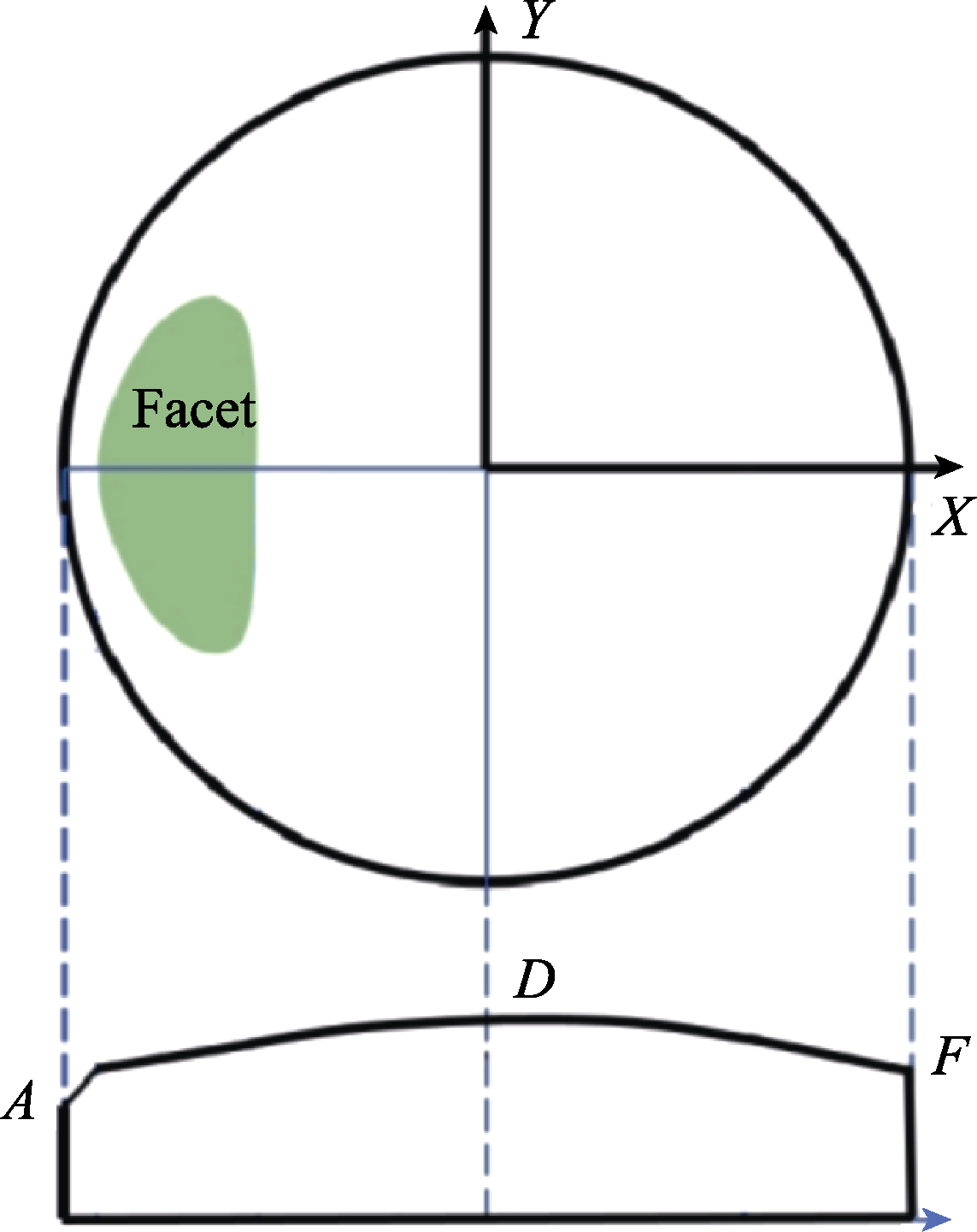
Fig. 1 Diagram describing the definition of crystal convexity

Fig. 2 Relative positions between the crucible and the induction coil corresponding to the four silicon carbide crystals with different convexities (a) 0.36 mm; (b) 1.62 mm; (c) 2.21 mm; (d) 2.58 mm
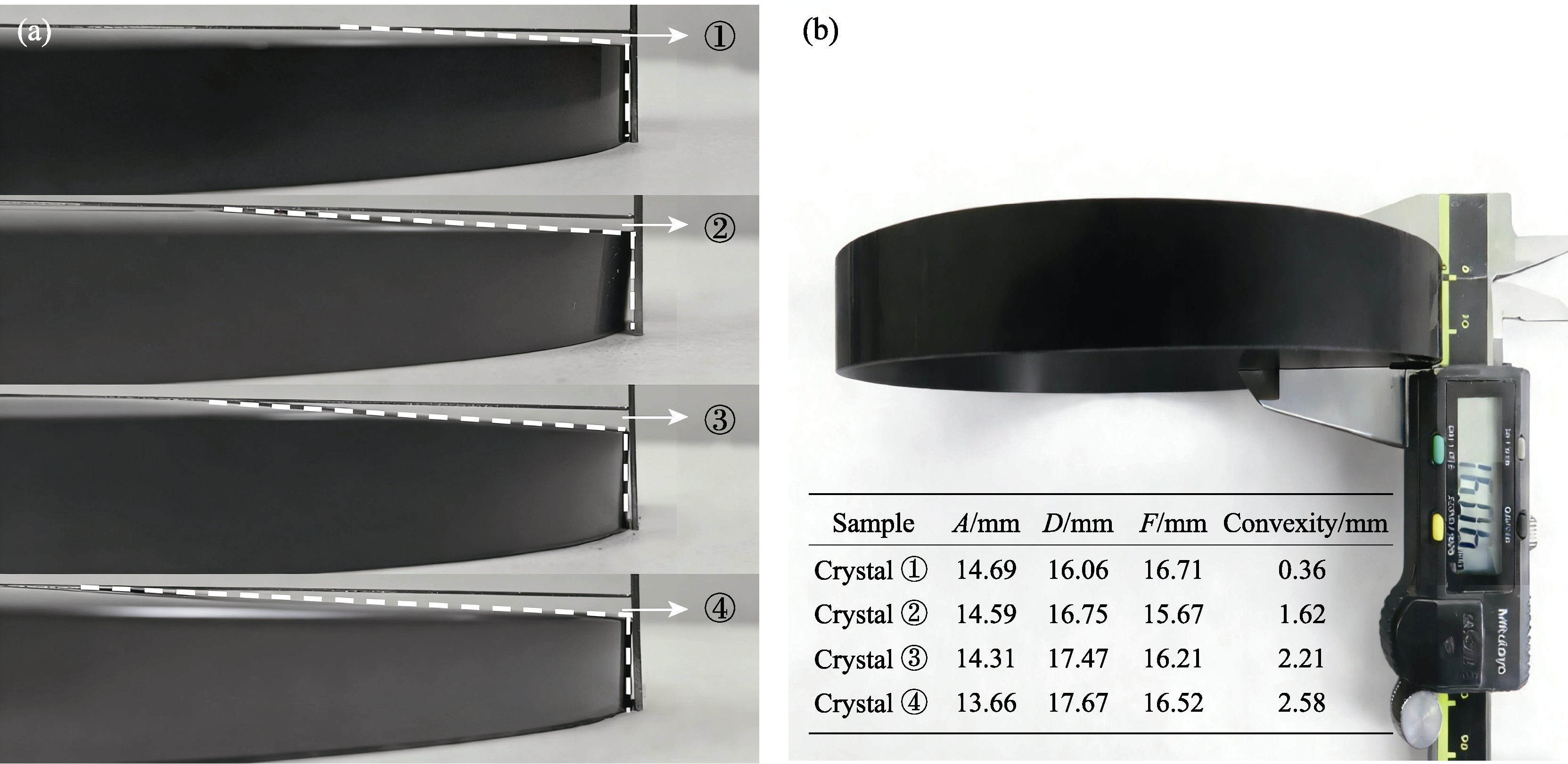
Fig. 3 Profiles of silicon carbide crystals with different convexities (a) Digital photos of four crystals showing region D to F; (b) Method for height measurement and convexity calculation
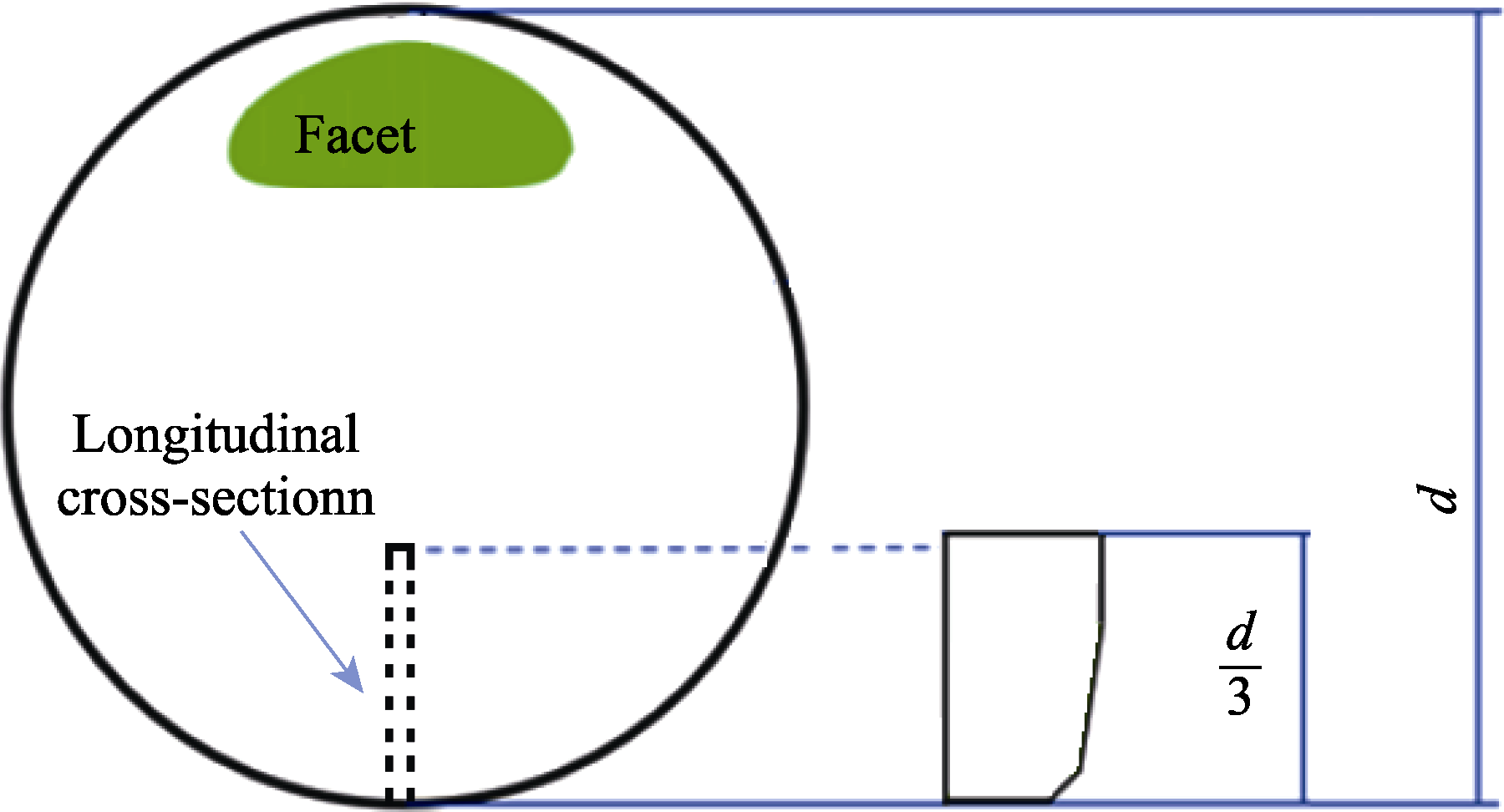
Fig. 4 Longitudinal cross-section of the crystal
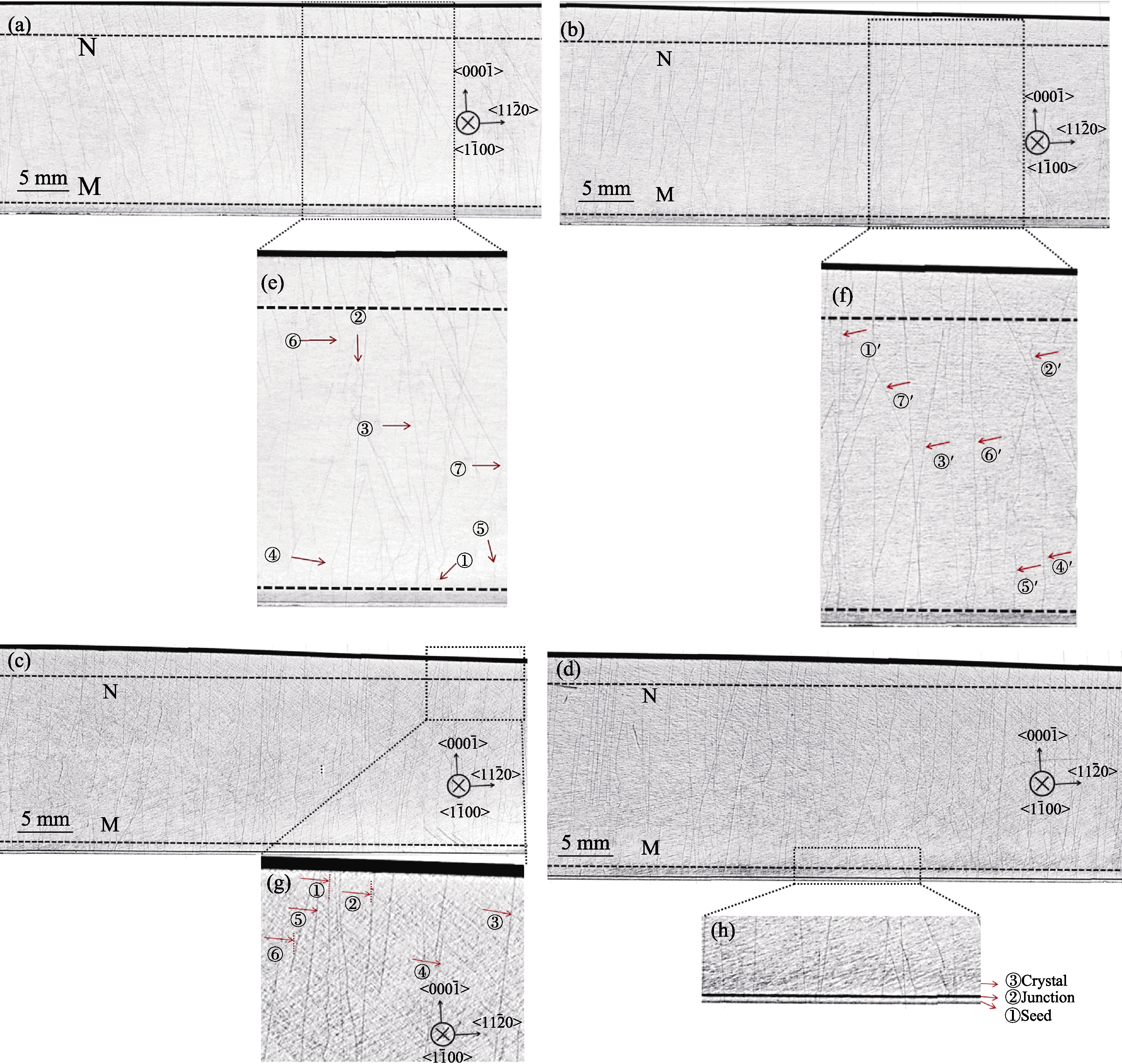
Fig. 5 Longitudinal cross-section XRT of crystals with different convexities (a) 0.36 mm; (b) 1.62 mm; (c) 2.21 mm; (d) 2.58 mm; (e-h) Magnified view (inset)
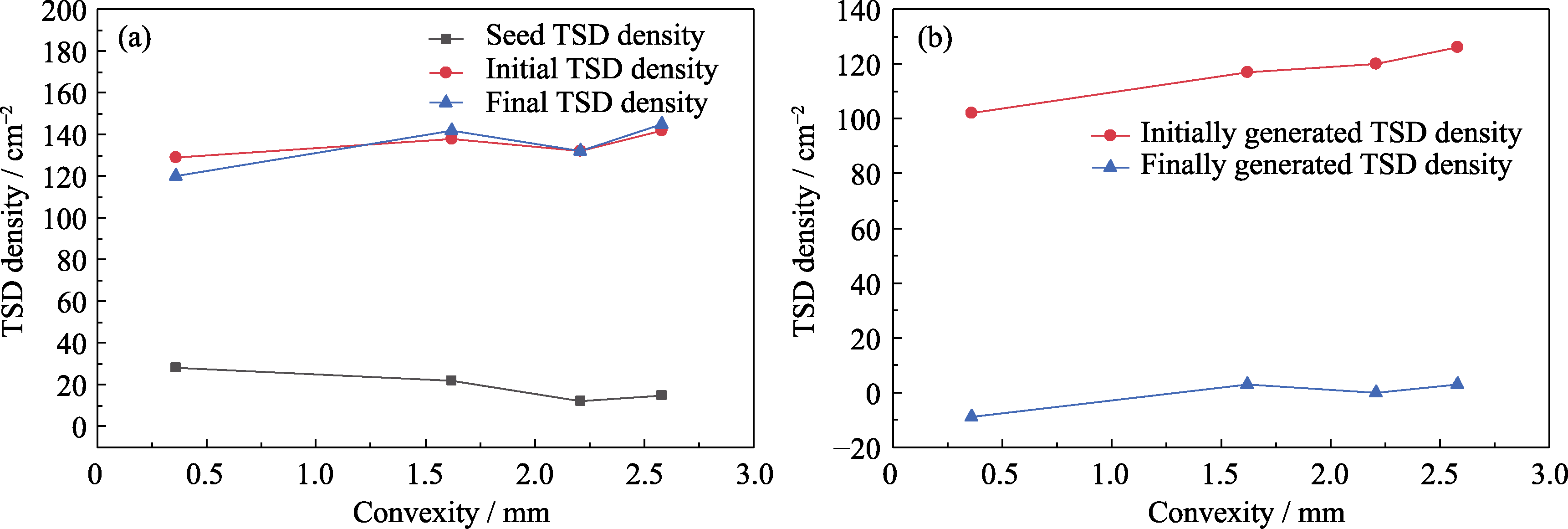
Fig. 6 Variation of TSD density with crystal convexity (a) TSD density in the seed inheritance, initial growth, and final growth stages;(b) TSD density in the initially generated and finally generated growth stages

Fig. 7 Simulated C/Si ratio maps under various early stage thermal-field configurations (a) Minimum convexity; (b) Moderate convexity; (c) Maximum convexity. Colorful figures are available on website
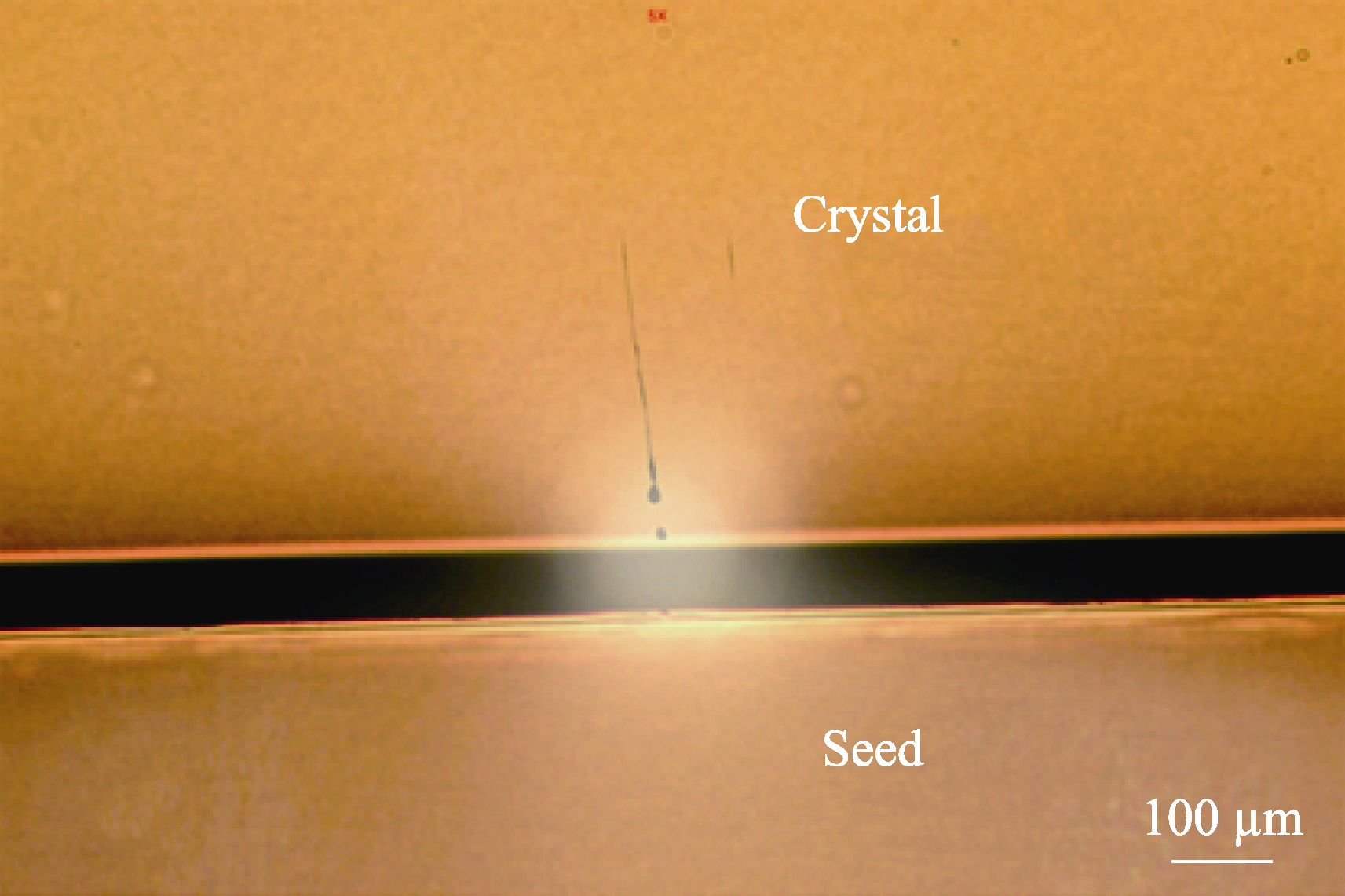
Fig. 8 Silicon droplets at the seed-crystal interface under an optical microscope
| [1] | YAKIMOVA R, SYVÄJÄRVI M, IAKIMOV T, et al. Polytype stability in seeded sublimation growth of 4H-SiC boules. Journal of Crystal Growth, 2000, 217(3): 255. |
| [2] | YANG X L, CHEN X F, XIE X J, et al. Growth of 8-inch conductive 4H-SiC single crystals. Journal of Synthetic Crystals, 2022, 51(9): 1745. |
| [3] | LOU Y F, GONG T K, ZHANG W, et al. Preparation and c-haracterization of 8-inch conductive 4H-SiC single-crystal substrates. Journal of Synthetic Crystals, 2022, 51(12): 6. |
| [4] | YANG G, LIU X S, LI J J, et al. Dislocations in 4H-SiC single crystals. Journal of Synthetic Crystals, 2022, 51(Z1): 1673. |
| [5] | SHAO H Y, XIONG X X, YANG X L, et al. Study on the mechanism of facet formation based on the shape of temperature field. Crystal Growth & Design, 2025, 25(2): 400. |
| [6] | BERG W. Über eine röntgenographische methode zur untersu- chung von gitterstörungen an kristallen. Naturwissenschaften, 1931, 19(19): 391. |
| [7] | BOWEN D K, TANNER B K. X-ray metrology in semiconductor manufacturing. Florida: CRC Press, 2018. |
| [8] | ARMSTRONG R. X-ray misorientation contrast for a (lineage) subgrain boundary. Journal of Applied Crystallography, 1977, 10(1): 57. |
| [9] |
AUTHIER A. Contrast of dislocation images in X-ray transmission topography. Advances in X-ray Analysis, 1966, 10: 9.
DOI URL |
| [10] | SUVOROV E V, SMIRNOVA I A. X-ray diffraction imaging of defects in topography (microscopy) studies. Physics-Uspekhi, 2015, 58(9): 833. |
| [11] | BARRETT C S. A new microscopy and its potentialities. Transactions of AIME, 1945, 161: 15. |
| [12] | LANG A R. The early days of high-resolution X-ray topography. Journal of Physics D: Applied Physics, 1993, 26(4A): A1. |
| [13] | XIONG X X, HU X B, PENG Y, et al. Preparation of 8-inch conductive silicon carbide single crystal substrate with low dislocation density. Journal of Inorganic Materials, 2023, 38(11): 1371. |
| [14] | WANG S Z, DENG X Y, ZHANG T, et al. Correlation between stacking faults in 4H-SiC epitaxial layers and substrate defects. Journal of Inorganic Materials, 2019, 34(7): 748. |
| [15] | LIDER V. X-ray diffraction topography methods. Physics of the Solid State, 2021, 63(2): 189. |
| [16] | LANG A. The projection topograph: a new method in X-ray diffraction microradiography. Acta Crystallographica, 1959, 12(3): 249. |
| [17] |
GUO J, YANG Y, WU F, et al. Synchrotron X-ray topographic study on nature of threading mixed dislocations in 4H-SiC crystals grown by PVT method. Journal of Crystal Growth, 2016, 452: 39.
DOI URL |
| [18] |
FUJIE F, PENG H, AILIHUMEAR T, et al. Synchrotron X-ray topographic image contrast variation of screw-type basal plane dislocations located at different depths below the crystal surface in on-axis 4H-SiC. Acta Materialia, 2021, 208: 116746.
DOI URL |
| [19] |
MOKHOV E N, NAGALYUK S S, SOLTAMOV V A. Reduction of dislocation density in bulk silicon carbide crystals grown by PVT on profiled seeds. Materials Science Forum, 2017, 897: 7.
DOI URL |
| [20] | OHTANI N, KATSUNO M, TSUGE H, et al. Behavior of basal plane dislocations in hexagonal silicon carbide single crystals grown by physical vapor transport. Japanese Journal of Applied Physics, 2006, 45(3R): 1738. |
| [21] | BLUMENAU A T, JONES R, OBERG S, et al. Basal plane partial dislocations in silicon carbide. Physica B: Condensed Matter, 2003, 340/341/342: 160. |
| [22] | RAGHOTHAMACHAR B, YANG Y, GUO J, et al. Analysis of basal plane dislocation dynamics in PVT-grown 4H-SiC crystals during high temperature treatment. ECS Transactions, 2019, 92(7): 131. |
| [23] | OHTANI N, KATSUNO M, TSUGE H, et al. Dislocation processes during SiC bulk crystal growth. Microelectronic Engineering, 2006, 83(1): 142. |
| [24] |
SAKA H, WATANABE H, KITOU Y, et al. Inclination of a threading dislocation in an epilayer of 4H-SiC. Japanese Journal of Applied Physics, 2014, 53: 111302.
DOI URL |
| [25] |
TANUMA R, KAMATA I, HADORN J P, et al. Two-photon- excited, three-dimensional photoluminescence imaging and dislocati- on-line analysis of threading dislocations in 4H-SiC. Journal of Applied Physics, 2018, 124: 125703.
DOI URL |
| [26] |
CHEN K R, YANG S, WANG J F, et al. Identification and formation mechanism of threading screw dislocations in 4H-SiC crystal. Journal of Alloys and Compounds, 2025, 1040: 183454.
DOI URL |
| [27] | NAGANO M, KAMATA I, TSUCHIDA H. Plan-view and cross-sectional photoluminescence imaging analyses of threading dislo-cations in 4H-SiC epilayers. Japanese Journal of Applied Physics, 2013, 52(4S): 04CP09. |
| [28] | KUSUNOKI K, OKADA N, KATO T, et al. Control of polytype and defect formation in SiC bulk crystal growth by physical vapor transport. Materials Science Forum, 2006, 527/528/529: 3. |
| [29] | SUKOVICH J R, BALKAS C. Modeling of SiC sublimation growth: effect of thermal field on crystal morphology. Journal of Electronic Materials, 2000, 29(3): 270. |
| [30] | DRACHEV R V, STRATIY G D, CHEREDNICHENKO D I, et al. Liquid phase silicon at the front of crystallization during SiC PVT growth. Journal of Crystal Growth, 2001, 233(3/4): 541. |
| [31] | LIU C J, PENG T H, WANG S C, et al. Formation mechanism of type 2 micropipe defects in 4H-SiC crystals. CrystEngComm, 2013, 15(7): 1307. |
| [32] | KOLLMUß M, LA VIA F, WELLMANN P J. Effect of gro-wth conditions on the surface morphology and defect density of CS-PVT-grown 3C-SiC. Crystal Research and Technology, 2023, 58(7): 2300034. |
| [33] | PEI Y, YUAN W, LI Y, et al. Influence of growth process on suppression of surface morphological defects in 4H-SiC homoepitaxial layers. Micromachines, 2024, 15(6): 665. |
| [34] |
ARZIG M, SALAMON M, HSIAO T C, et al. Influence of the growth interface shape on the defect characteristics in the facet region of 4H-SiC single crystals. Journal of Crystal Growth, 2020, 532: 125436.
DOI URL |
| [35] |
ZHANG S, FAN G, LI T, et al. Optimization of thermal field of 150 mm SiC crystal growth by PVT method. RSC Advances, 2022, 12: 19936.
DOI PMID |
| [36] | YANG M C, CHEN Z M, FENG X F, et al. Effect of the growth interface shape on the thermoelastic stresses in SiC crystal prepared by PVT technique. Journal of Synthetic Crystals, 2012, 41(1): 24. |
| [37] |
HU S S, RAGHOTHAMACHAR B, CHEN Z Y, et al. New insights into the occurrence of prismatic slip during PVT growth of SiC crystals. Materials Science Forum, 2025, 1156: 57.
DOI URL |
| [1] | LIU Xuzi, SONG Zhaohua, ZENG Lu, QU Li, JIAO Yi, JIANG Fajun, LI Dacheng, YAN Huicheng, WANG Jianli, CHEN Yaoqiang. Deactivation Mechanism of Pd Only Three-way Catalysts under Aging Temperature Gradient [J]. Journal of Inorganic Materials, 2026, 41(8): 1148-1156. |
| [2] | HAO Yongxin, QIN Juan, SUN Jun, YANG Jinfeng, LI Qinglian, HUANG Guijun, XU Jingjun. Impact of Crucible Bottom Shape on the Growth of Congruent Lithium Niobate Crystals by Czochralski Method [J]. Journal of Inorganic Materials, 2024, 39(10): 1167-1174. |
| [3] | MENG Meng, QI Qiang, DING Dongzhou, HE Chongjun, ZHAO Shuwen, WAN Bo, CHEN Lu, SHI Junjie, REN Guohao. Twisted Growth, Component Segregation and Characteristics of Gd3(Al,Ga)5O12:Ce Scintillation Crystal [J]. Journal of Inorganic Materials, 2021, 36(2): 188-196. |
| [4] | HU Ke-Yan, XU Jun, TANG Hui-Li, LI Hong-Jun, ZOU Yu-Qi, YANG Qiu-Hong. Study on Methods to Strenthen and Toughen Sapphire Crystal by Carbon Doped Grown by Temperature Gradient Technique (TGT) [J]. Journal of Inorganic Materials, 2013, 28(3): 307-311. |
| [5] |
ZOU Ji-Zhao,ZENG Xie-Rong,XIONG Xin-Bo,LI Xiao-Hua,TANG Han-Ling,LI Long.
Microwave Heating Effect and Mechanism for Carbon Fiber Preforms [J]. Journal of Inorganic Materials, 2007, 22(6): 1165-1168. |
| [6] | LI Jin,CHEN Zhen-Hua. C/C Composites Fabricated by the Chemical Liquid Phase Vaporization Densification with the Catalyst [J]. Journal of Inorganic Materials, 2005, 20(6): 1450-1456. |
| [7] | XIAO Hai-Bin,HU Guan-Qin,XU Li. Influence of Temperature Gradient on Radiation Damage of BGO Crystals [J]. Journal of Inorganic Materials, 2003, 18(2): 470-474. |
| Viewed | ||||||
|
Full text |
|
|||||
|
Abstract |
|
|||||
