
Journal of Inorganic Materials ›› 2026, Vol. 41 ›› Issue (5): 653-662.DOI: 10.15541/jim20250347
• DATA PAPER • Previous Articles Next Articles
WANG Yana1,2( ), SONG Jiupeng1, WANG Hairun1, LI Tianshan1, JIAO Jian1()
Received:2025-08-29
Revised:2025-11-17
Published:2026-05-20
Online:2025-11-26
Contact:
JIAO Jian, professor. E-mail: Jian.jiao@biam.ac.cnAbout author:WANG Yana (1988-), female, PhD. E-mail: wangyana198833@163.com
CLC Number:
WANG Yana, SONG Jiupeng, WANG Hairun, LI Tianshan, JIAO Jian. Hole Diameter Effect on Open-hole Tensile Mechanical Property of MI-SiCf/SiC Composites[J]. Journal of Inorganic Materials, 2026, 41(5): 653-662.
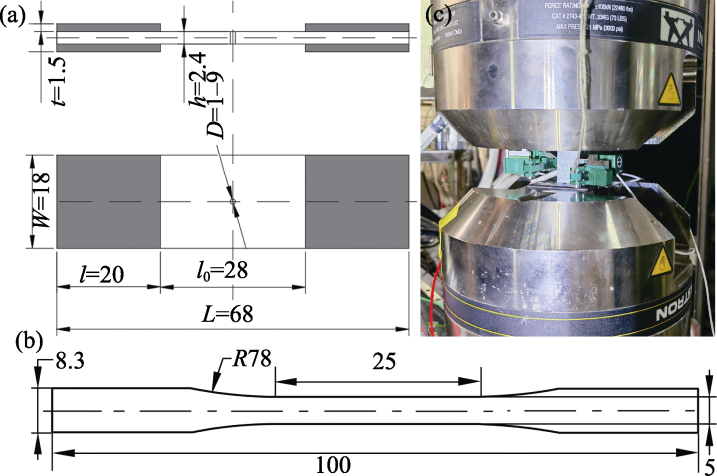
Fig. 1 Test specimen configuration, dimensions and photograph of the loading setup (a) Open-hole tensile specimen; (b) Unnotched tensile specimen; (c) Photograph of the specimen under loading. Unit: mm
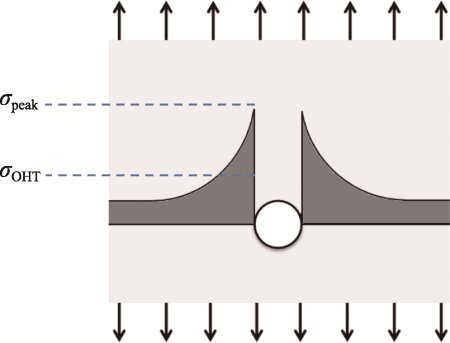
Fig. 2 Schematic diagram of stress distribution characteristics around the hole in an open-hole tensile specimen
| Specimen | D/mm | W/D | Kt |
|---|---|---|---|
| K0 | 0 | / | / |
| K1 | 1 | 18 | 2.844 |
| K2 | 2 | 9 | 2.707 |
| K3 | 3 | 6 | 2.582 |
| K4 | 6 | 3 | 2.302 |
| K5 | 9 | 2 | 2.130 |
Table 1 Specimen geometry and theoretical stress concentration factor
| Specimen | D/mm | W/D | Kt |
|---|---|---|---|
| K0 | 0 | / | / |
| K1 | 1 | 18 | 2.844 |
| K2 | 2 | 9 | 2.707 |
| K3 | 3 | 6 | 2.582 |
| K4 | 6 | 3 | 2.302 |
| K5 | 9 | 2 | 2.130 |
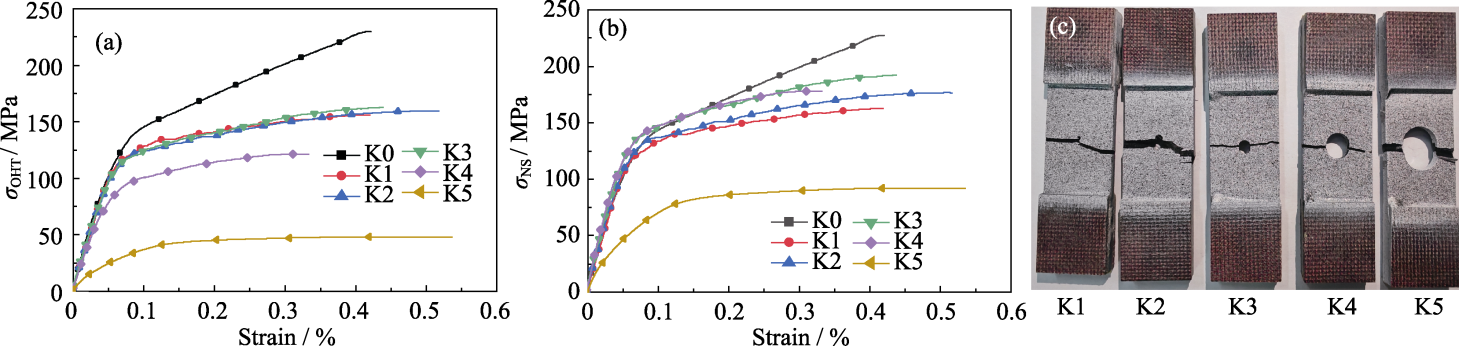
Fig. 3 Comparison of tensile curves and fracture surface morphologies between unnotched and open-hole specimens (a) Nominal open-hole tensile stress-strain curves; (b) Net-section stress-strain curves; (c) Fracture morphologies of OHT specimens
| Specimen | D/ mm | EOHT/ GPa | ENS/ GPa | SOHT/ MPa | SNS/ MPa | σp_OHT/ MPa | σp_NS/ MPa | σpeak/ MPa |
|---|---|---|---|---|---|---|---|---|
| K0 | 0 | 206 | 206 | 228 | 228 | 125 | 125 | 125 |
| K1 | 1 | 200 | 212 | 155 | 164 | 106 | 112 | 301 |
| K2 | 2 | 203 | 229 | 158 | 177 | 98.8 | 111 | 267 |
| K3 | 3 | 204 | 245 | 162 | 194 | 98.1 | 117 | 253 |
| K4 | 6 | 186 | 278 | 120 | 179 | 90.0 | 134 | 207 |
| K5 | 9 | 83.2 | 164 | 47.3 | 93.1 | 20.5 | 40.5 | 43.7 |
Table 2 Tensile stiffness and strength for specimens with different hole diameters
| Specimen | D/ mm | EOHT/ GPa | ENS/ GPa | SOHT/ MPa | SNS/ MPa | σp_OHT/ MPa | σp_NS/ MPa | σpeak/ MPa |
|---|---|---|---|---|---|---|---|---|
| K0 | 0 | 206 | 206 | 228 | 228 | 125 | 125 | 125 |
| K1 | 1 | 200 | 212 | 155 | 164 | 106 | 112 | 301 |
| K2 | 2 | 203 | 229 | 158 | 177 | 98.8 | 111 | 267 |
| K3 | 3 | 204 | 245 | 162 | 194 | 98.1 | 117 | 253 |
| K4 | 6 | 186 | 278 | 120 | 179 | 90.0 | 134 | 207 |
| K5 | 9 | 83.2 | 164 | 47.3 | 93.1 | 20.5 | 40.5 | 43.7 |
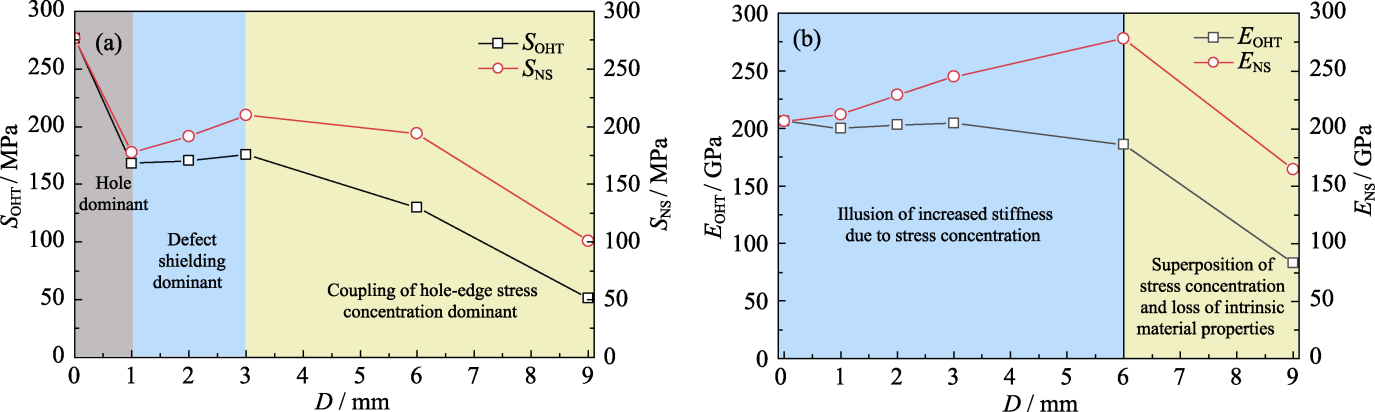
Fig. 4 Effect of hole diameter on (a) tensile strength properties and (b) module properties of specimens
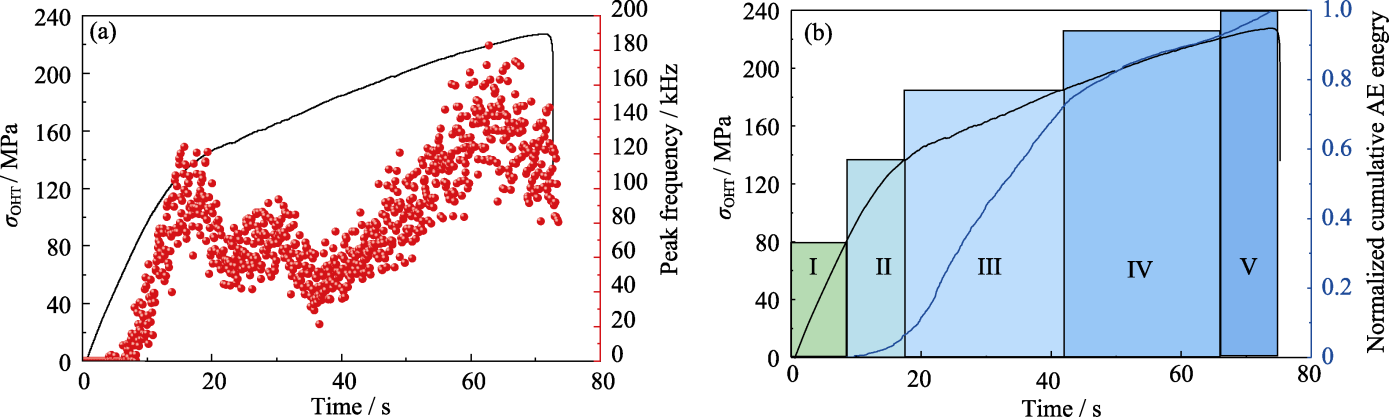
Fig. 5 (a) Peak frequency and (b) normalized cumulative energy curves of unnotched specimen
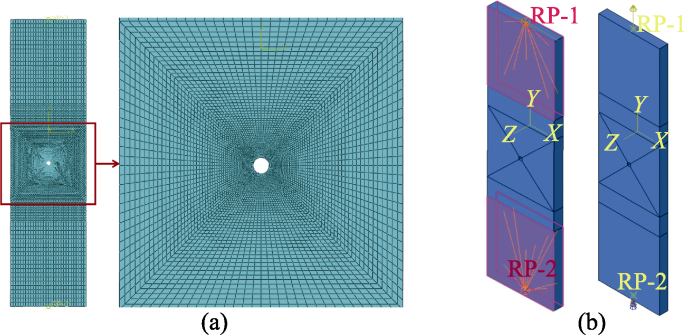
Fig. 6 (a) Finite element model of the open-hole specimen and (b) corresponding applied loads and boundary conditions
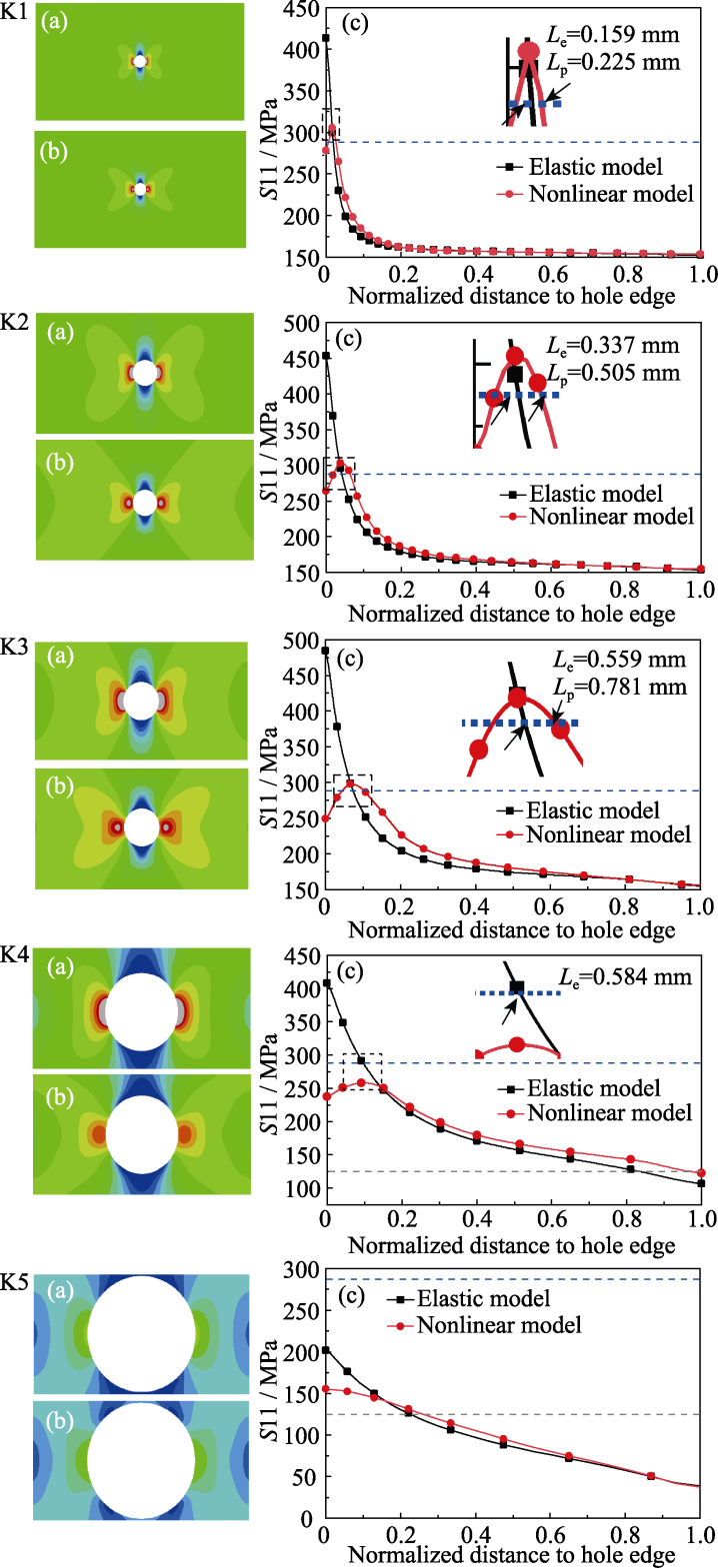
Fig. 7 Stress predictions around holes in K1-K5 specimens (a) Elastic model results; (b) Nonlinear model results; (c) Stress distribution along hole edge to the specimen edge line
| Specimen | D/mm | Le/mm | Lp/mm |
|---|---|---|---|
| K1 | 1 | 0.159 | 0.225 |
| K2 | 2 | 0.337 | 0.505 |
| K3 | 3 | 0.559 | 0.781 |
| K4 | 6 | 0.584 | / |
| K5 | 9 | / | / |
Table 3 Characteristic dimension analysis for specimens with different hole diameters
| Specimen | D/mm | Le/mm | Lp/mm |
|---|---|---|---|
| K1 | 1 | 0.159 | 0.225 |
| K2 | 2 | 0.337 | 0.505 |
| K3 | 3 | 0.559 | 0.781 |
| K4 | 6 | 0.584 | / |
| K5 | 9 | / | / |

Fig. S1 CT reconstructed images of internal defects in specimens with different hole diameters (a) K1 specimen; (b) K2 specimen; (c) K3 specimen; (d) K4 specimen; (e) K5 specimen
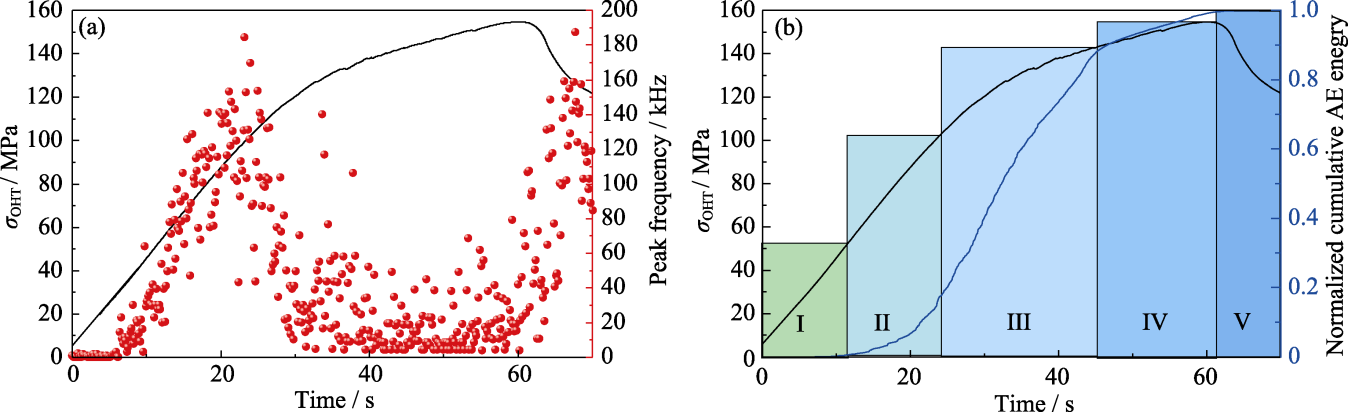
Fig. S2 (a) Peak frequency and (b) normalized cumulative energy curves of K1 OHT specimen
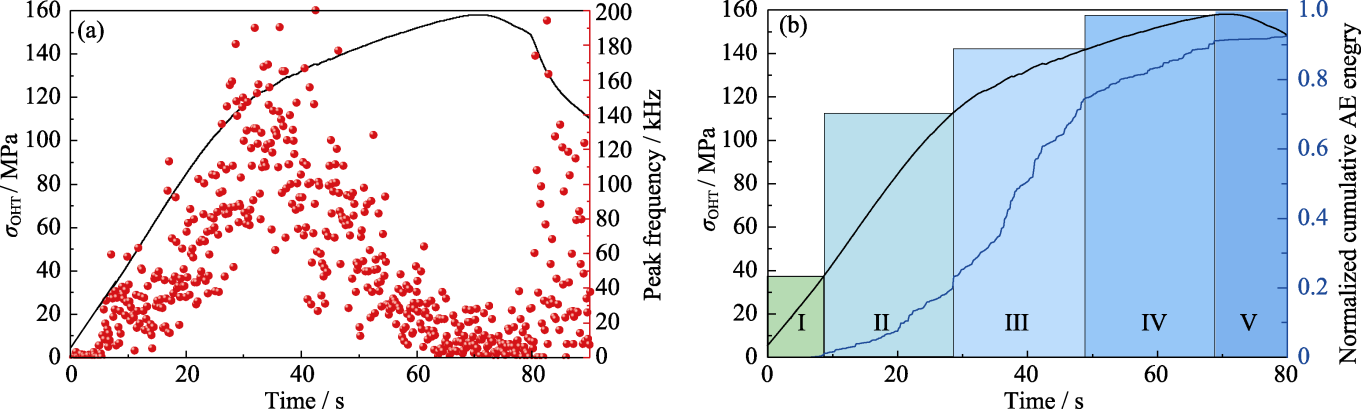
Fig. S3 (a) Peak frequency and (b) normalized cumulative energy curves of K2 OHT specimen
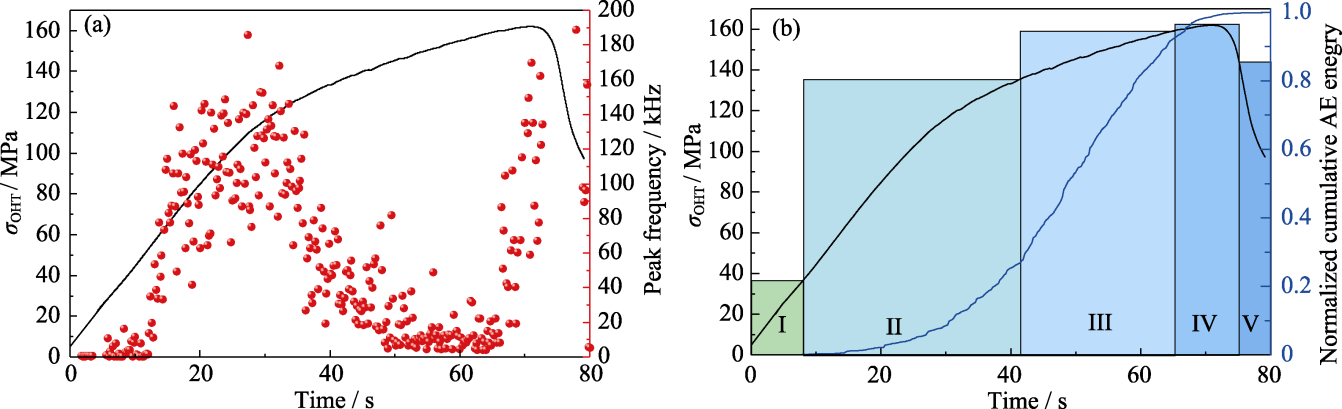
Fig. S4 (a) Peak frequency and (b) normalized cumulative energy curves of K3 specimen
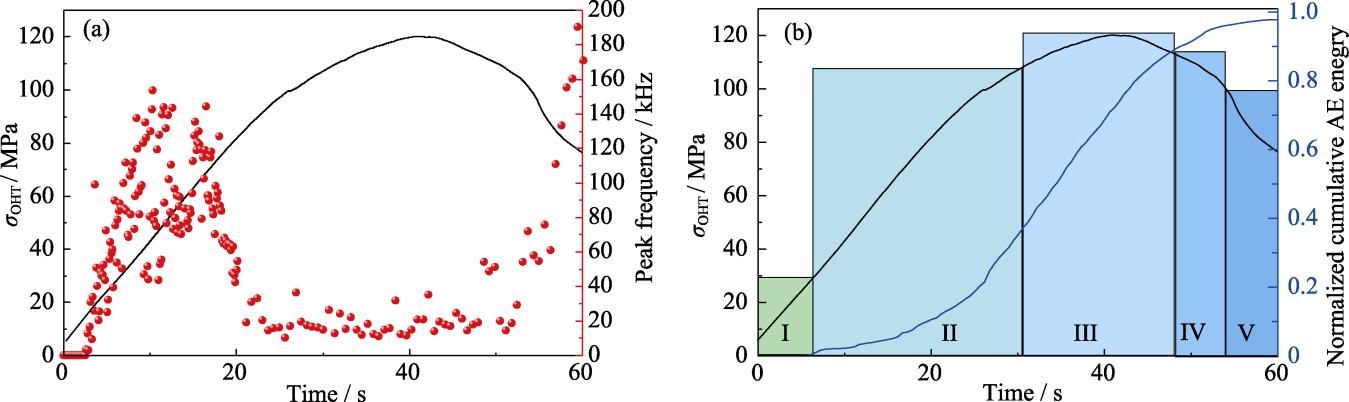
Fig. S5 (a) Peak frequency and (b) normalized cumulative energy curves of K4 specimen
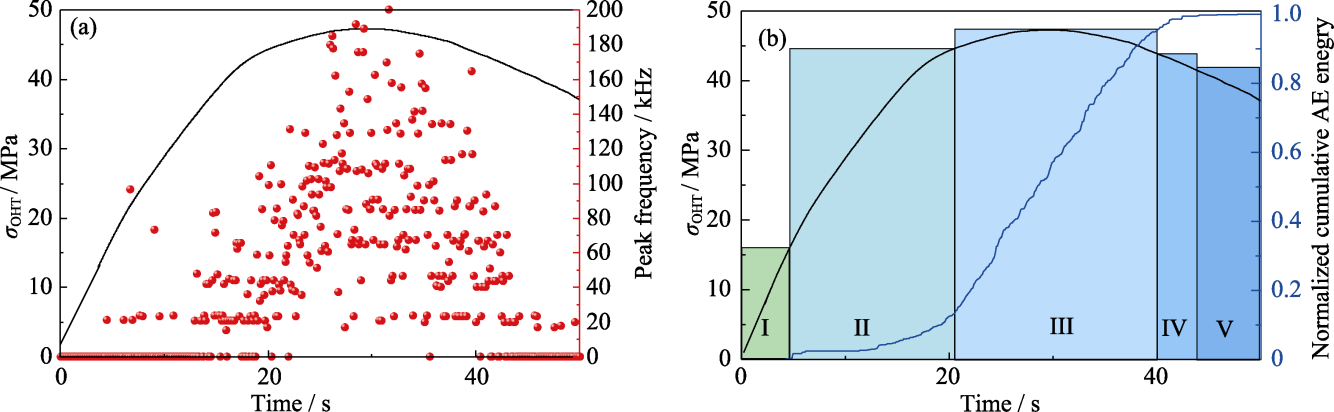
Fig. S6 (a) Peak frequency and (b) normalized cumulative energy curves of K5 specimen
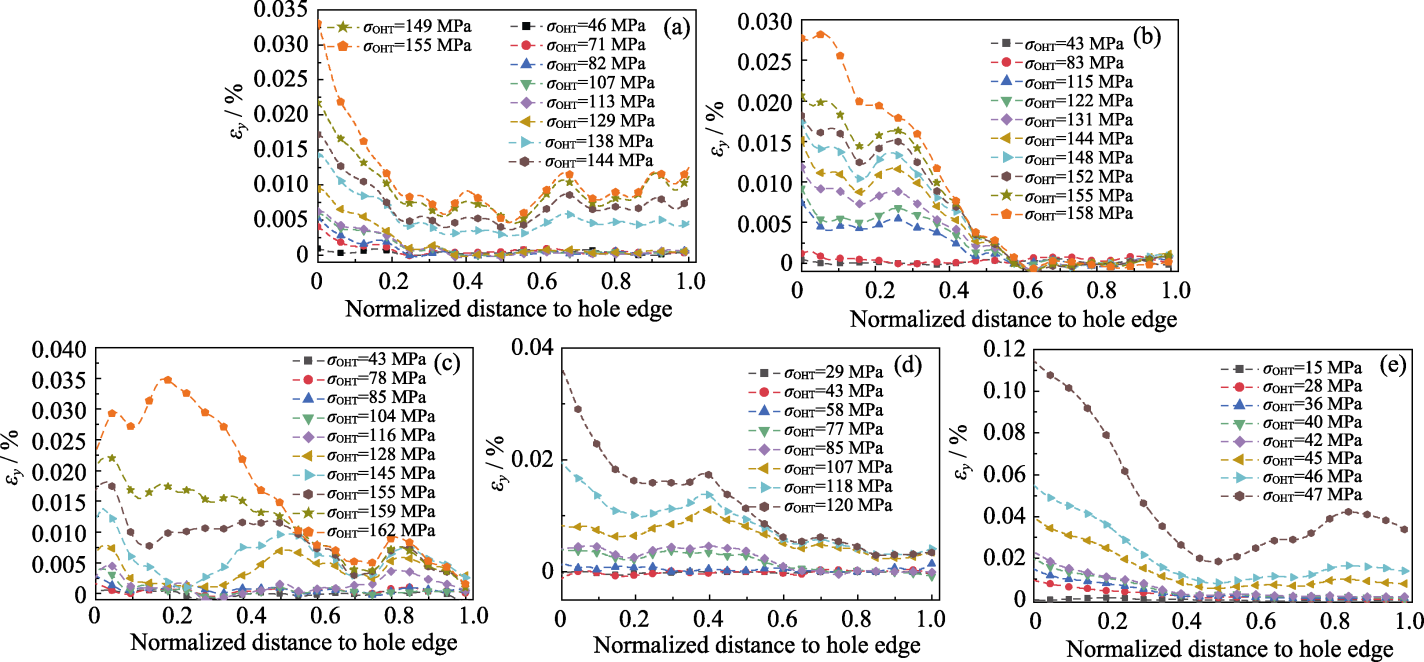
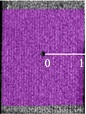
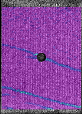
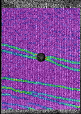
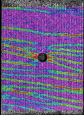
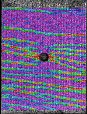
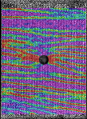
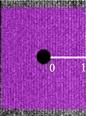
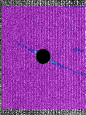
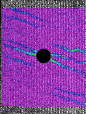
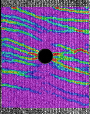
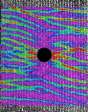
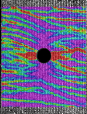
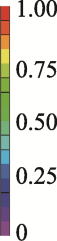
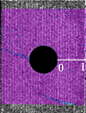
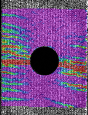
Fig. S7 Longitudinal tensile strain distribution along the hole-to-side line (a) K1 specimen; (b) K2 specimen; (c) K3 specimen; (d) K4 specimen; (e) K5 specimen
| σOHT/MPa | 46 | 82 | 113 | 138 | 149 | 155 | |
|---|---|---|---|---|---|---|---|
| K1 | 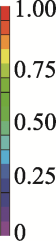 | 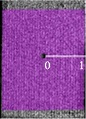 | 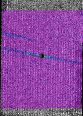 | 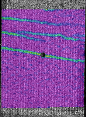 | 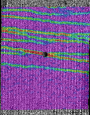 | 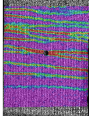 | 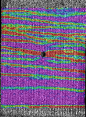 |
| K2 | σOHT/MPa | 23.5 | 84.0 | 112 | 144 | 155 | 158 |
 |  |  |  |  |  |  | |
| K3 | σOHT/MPa | 34.1 | 78.0 | 108 | 142 | 155 | 162 |
 |  |  |  |  |  |  | |
| K4 | σOHT/MPa | 29.1 | 43.0 | 85.2 | 107 | 120 | 103 |
 |  | 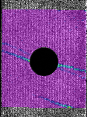 | 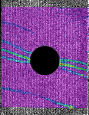 | 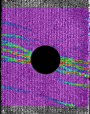 | 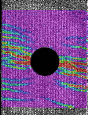 |  | |
| K5 | σOHT/MPa | 15.1 | 28.0 | 36.1 | 47.2 | 46.0 | 37.1 |
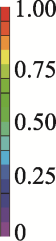 | 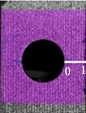 |  | 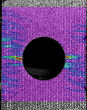 | 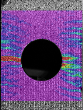 | 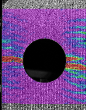 |  |
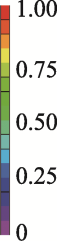
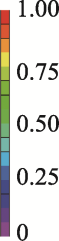
Table S1 Variation of the full-field surface strain at different stress levels for specimens with five different hole diameters
| σOHT/MPa | 46 | 82 | 113 | 138 | 149 | 155 | |
|---|---|---|---|---|---|---|---|
| K1 | | | | | | | |
| K2 | σOHT/MPa | 23.5 | 84.0 | 112 | 144 | 155 | 158 |
| | | | | | | | |
| K3 | σOHT/MPa | 34.1 | 78.0 | 108 | 142 | 155 | 162 |
| | | | | | | | |
| K4 | σOHT/MPa | 29.1 | 43.0 | 85.2 | 107 | 120 | 103 |
| | | | | | | | |
| K5 | σOHT/MPa | 15.1 | 28.0 | 36.1 | 47.2 | 46.0 | 37.1 |
| | | | | | | |
| Specimen | First occurrence of acoustic emission signals on the peak frequency curve | First occurrence of an energy jump on the normalized cumulative energy curve | Peak frequency reaches the first peak point |
|---|---|---|---|
| K1 | 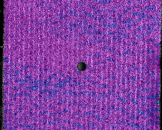 σOHT=32.2 MPa | 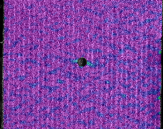 σOHT=52.7 MPa | 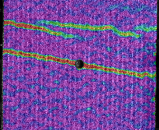 σOHT=102 MPa |
| K2 | 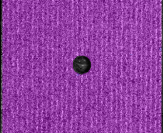 σOHT=23.1 MPa | 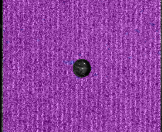 σOHT=37.4 MPa | 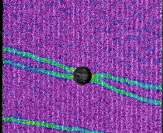 σOHT=121 MPa |
| K3 | 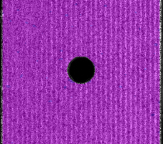 σOHT=27.0 MPa | 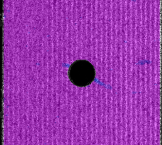 σOHT=36.6 MPa | 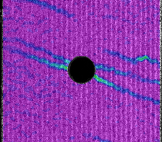 σOHT=104 MPa σOHT=104 MPa |
| K4 | 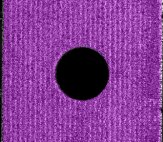 σOHT=16.9 MPa | 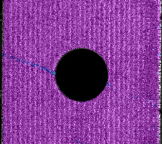 σOHT=29.5 MPa | 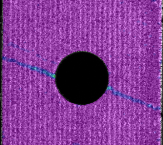 σOHT=44.1 MPa |
| K5 |  σOHT=14.4 MPa | 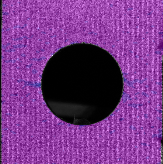 σOHT=16.2 MPa | 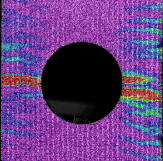 σOHT=47.4 MPa |
Table S2 DIC strain contour map of the stress corresponding to acoustic emission signal feature points
| Specimen | First occurrence of acoustic emission signals on the peak frequency curve | First occurrence of an energy jump on the normalized cumulative energy curve | Peak frequency reaches the first peak point |
|---|---|---|---|
| K1 | σOHT=32.2 MPa | σOHT=52.7 MPa | σOHT=102 MPa |
| K2 | σOHT=23.1 MPa | σOHT=37.4 MPa | σOHT=121 MPa |
| K3 | σOHT=27.0 MPa | σOHT=36.6 MPa | σOHT=104 MPa |
| K4 | σOHT=16.9 MPa | σOHT=29.5 MPa | σOHT=44.1 MPa |
| K5 | σOHT=14.4 MPa | σOHT=16.2 MPa | σOHT=47.4 MPa |
| [1] | 李龙彪. 陶瓷基复合材料在航空发动机应用与适航符合性验证研究进展. 复合材料学报, 2025, 42(1): 54. |
| [2] | 焦健, 孙世杰, 焦春荣, 等. SiCf/SiC复合材料涡轮导向叶片研究进展. 复合材料学报, 2023, 40(8): 4342. |
| [3] |
王雅娜, 李天山, 王海润, 等. GE公司预浸料-熔渗工艺SiCf/SiC复合材料应用研究历程及启示. 航空材料学报, 2025, 45(2): 1.
DOI |
| [4] | 刘虎, 束小文, 洪智亮, 等. 航空发动机用SiC/SiC复合材料典型元件设计及性能评价研究进展. 材料导报, 2023, 37(14): 12. |
| [5] | ASTM International. Standard test method for open-hole tensile strength of fiber-reinforced advanced ceramic composites: ASTM C1869-18. West Conshohocken: ASTM International, 2023. |
| [6] | KALLURI S, VERRILLI M J. Influence of holes on the in-plane tensile strength and fatigue durability of a Nicalon™/Si-N-C ceramic matrix composite. Ceramic Engineering and Science Proceedings, 2003, 24(4): 427. |
| [7] |
HAQUE A, AHMED L, RAMASETTY A. Stress concentrations and notch sensitivity in woven ceramic matrix composites containing a circular hole—an experimental, analytical, and finite element study. Journal of the American Ceramic Society, 2005, 88(8): 2195.
DOI URL |
| [8] |
GYEKENYESI A L, MORSCHER G N. Damage progression and stress redistribution in notched SiC/SiC composites. Journal of Materials Engineering and Performance, 2010, 19(9): 1298.
DOI URL |
| [9] | GYEKENYESI A L, MORSCHER G N. Evaluating the mechanical behavior of notched SiC/SiC composites using thermoelastic stress analysis. Proceedings of SPIE, Bellingham, 2004: 456-465. |
| [10] | MORSCHER G N, GYEKENYESI J Z, GYEKENYESI A L. Mechanical behavior of notched SiC/SiC composites. ASME International Gas Turbine and Aeroengine Congress, New Orleans, 2001: 1-7. |
| [11] |
RUGGLES-WRENN M B, KURTZ G. Notch sensitivity of fatigue behavior of a Hi-Nicalon™/SiC-B4C composite at 1,200 ℃ in air and in steam. Applied Composite Materials, 2013, 20: 891.
DOI URL |
| [12] |
GOWAYED Y, OJARD G, CHEN J, et al. Accumulation of time-dependent strain during dwell-fatigue experiments of iBN- Sylramic melt infiltrated SiC/SiC composites with and without holes. Composites Part A: Applied Science and Manufacturing, 2011, 42(12): 2020.
DOI URL |
| [13] |
MCNULTY J C, HE M Y, ZOK F W. Notch sensitivity of fatigue life in a Sylramic™/SiC composite at elevated temperature. Composites Science and Technology, 2001, 61(9): 1331.
DOI URL |
| [14] |
SANTHOSH U, AHMAD J, JOHN R, et al. Modeling of stress concentration in ceramic matrix composites. Composites Part B: Engineering, 2013, 45: 1156.
DOI URL |
| [15] |
GUAN X Y, WANG Y N, JIAO J, et al. Hierarchical modeling of strain-concentrating effect in notched ceramic-matrix composite laminates. International Journal of Mechanical Sciences, 2025, 304: 110641.
DOI URL |
| [16] |
LIU H, LI L B, WANG Y N, et al. In situ damage propagation and fracture in notched cross-ply SiC/SiC composites: experiment and numerical modeling. Journal of the European Ceramic Society, 2024, 44(4): 2052.
DOI URL |
| [17] | 刘海龙. SiC/SiC陶瓷基复合材料力学性能与失效机理研究. 上海: 上海交通大学硕士学位论文, 2020. |
| [18] | PETERSON R E, PLUNKETT R. Stress concentration factors. Naval Engineers Journal, 2010, 67(3): 697. |
| [19] |
MORSCHER G N. Stress-dependent matrix cracking in 2D woven SiC-fiber reinforced melt-infiltrated SiC matrix composites. Composites Science and Technology, 2004, 64(9): 1311.
DOI URL |
| [20] |
MORSCHER G N, MAXWELL R. Monitoring tensile fatigue crack growth and fiber failure around a notch in laminate SiC/SiC composites utilizing acoustic emission, electrical resistance, and digital image correlation. Journal of the European Ceramic Society, 2019, 39(2/3): 229.
DOI URL |
| [21] |
BACHE M R, NEWTON C D, JONES J P, et al. Advances in damage monitoring techniques for the detection of failure in SiCf/SiC ceramic matrix composites. Ceramics, 2019, 2(2): 347.
DOI URL |
| [22] |
DASSIOS K G, AGGELIS D G, KORDATOS E Z, et al. Cyclic loading of a SiC-fiber reinforced ceramic matrix composite reveals damage mechanisms and thermal residual stress state. Composites Part A: Applied Science and Manufacturing, 2013, 44: 105.
DOI URL |
| [23] |
MORSCHER G N, FERGUSON C, PRATT S, et al. Acoustic emission accuracy from a tensile test of a ceramic matrix composite. Journal of the American Ceramic Society, 2024, 107(12): 8556.
DOI URL |
| [1] | CHEN Bin, REN Ke, WANG Yiguang. Evolution of Mechanical Properties of Mini-SiCf/SiC Composites at High Temperatures over a Long Period of Time [J]. Journal of Inorganic Materials, 2025, 40(9): 971-980. |
| [2] | WU Xiaochen, ZHENG Ruixiao, LI Lu, MA Haolin, ZHAO Peihang, MA Chaoli. Research Progress on In-situ Monitoring of Damage Behavior of SiCf/SiC Ceramic Matrix Composites at High Temperature Environments [J]. Journal of Inorganic Materials, 2024, 39(6): 609-622. |
| [3] | LI Guangyu, YUE Yifan, WANG Bo, ZHANG Chengyu, SUO Tao, LI Yulong. Damage of 2D-SiC/SiC Composites under Projectile Impact and Tensile Properties after Impact [J]. Journal of Inorganic Materials, 2024, 39(5): 494-500. |
| [4] | SHEN Xuanyi, MA Qin, XUE Yudong, LIAO Chunjin, ZHU Min, ZHANG Xiangyu, YANG Jinshan, DONG Shaoming. Effects of Multilayered Interfaces on Mechanical Damage of SiCf/SiC Composites [J]. Journal of Inorganic Materials, 2023, 38(8): 917-922. |
| [5] | ZHANG Yachen, MENG Jia, CAI Kun, SHENG Xiaochen, LE Jun, SONG Lixin. Bending Failure Mechanism Study of Si-Cr-Ti High Temperature Oxidation Resistance Coating via Acoustic Emission Technique [J]. Journal of Inorganic Materials, 2021, 36(11): 1185-1192. |
| [6] | LI Longbin, XUE Yudong, HU Jianbao, YANG Jinshan, ZHANG Xiangyu, DONG Shaoming. Influence of SiC Nanowires on the Damage Evolution of SiCf/SiC Composites [J]. Journal of Inorganic Materials, 2021, 36(10): 1111-1117. |
| [7] | ZHANG Yongzhen, TONG Xiaoyan, YAO Leijiang, LI Bin, BAI Guodong. Acoustic Emission Pattern Recognition on Tensile Damage Process of C/SiC Composites Using an Improved Genetic Algorithm [J]. Journal of Inorganic Materials, 2020, 35(5): 593-600. |
| [8] | HUANG Xi-Peng, WANG Bo, YANG Cheng-Peng, PAN Wen-Ge, LIU Xiao-Ying. Evaluating Damage Evolution of Three-dimension Needled C/SiC Composite Based on Acoustic Emission Signal Analysis [J]. Journal of Inorganic Materials, 2018, 33(6): 609-616. |
| [9] | DENG Qi-Huang, WANG Lian-Jun, XU Hong-Jie, WANG Hong-Zhi, JIANG Wan. Fatigue Life Investigation of PZT Ceramics by MSP Method [J]. Journal of Inorganic Materials, 2012, 27(10): 1047-1052. |
| [10] | PAN Wen-Ge,JIAO Gui-Qiong,WANG Bo,GUAN Guo-Yang. Characterizing Damage Evolution of Three-dimensional Braided C/SiC Composite with AE Technology [J]. Journal of Inorganic Materials, 2004, 19(4): 871-875. |
| Viewed | ||||||
|
Full text |
|
|||||
|
Abstract |
|
|||||
